


Melocotón, durazno o nectarina
How to recognize and combat thrips on peaches and nectarines
Thrips
Insect
Type:
Risk to the plant:
HIGH
Thrips
Pathogen:
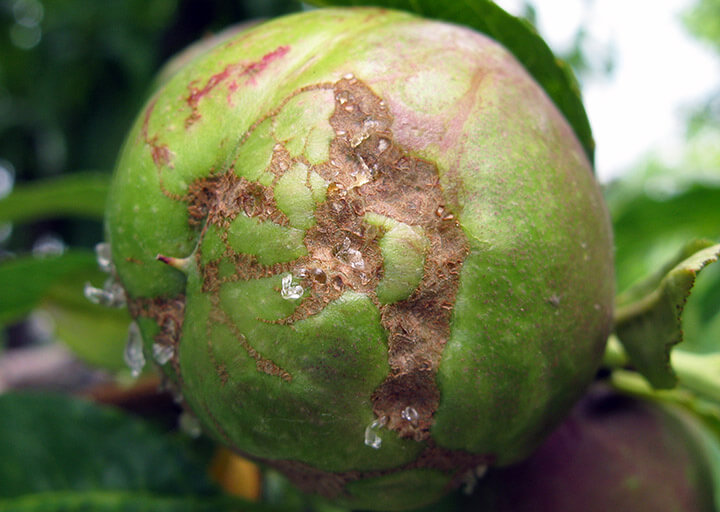
Trips


WHO CAUSES IT?
Thrips are small insects belonging to the order Thysanoptera, with several species that affect peach, peach or nectarine. These insects go through several stages of development: egg, larva, pupa and adult. Females lay eggs in plant tissue, usually on leaves, shoots or flowers. After a few days, the eggs hatch and the larvae begin to feed on plant tissues, causing direct damage. The larvae develop in two stages before moving to the pupal stage, which can occur in the soil or on the bark of trees. Finally, the adults emerge and restart the cycle. Adults are small, slender and have fringed wings, allowing them to move easily between plants. The life of a thrips can be completed in a few weeks, allowing for multiple generations per year, especially in warm climates.

SYMPTOMS
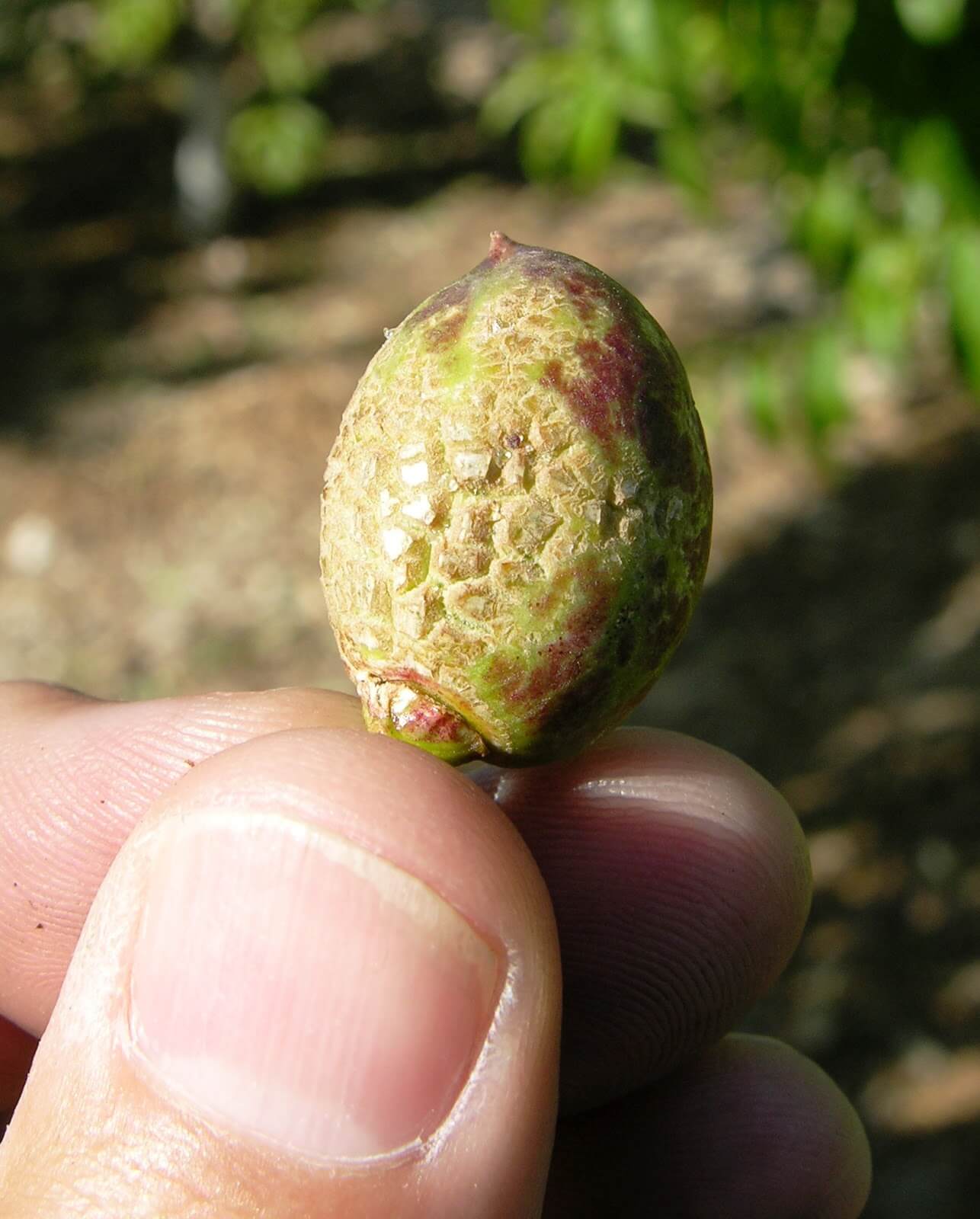
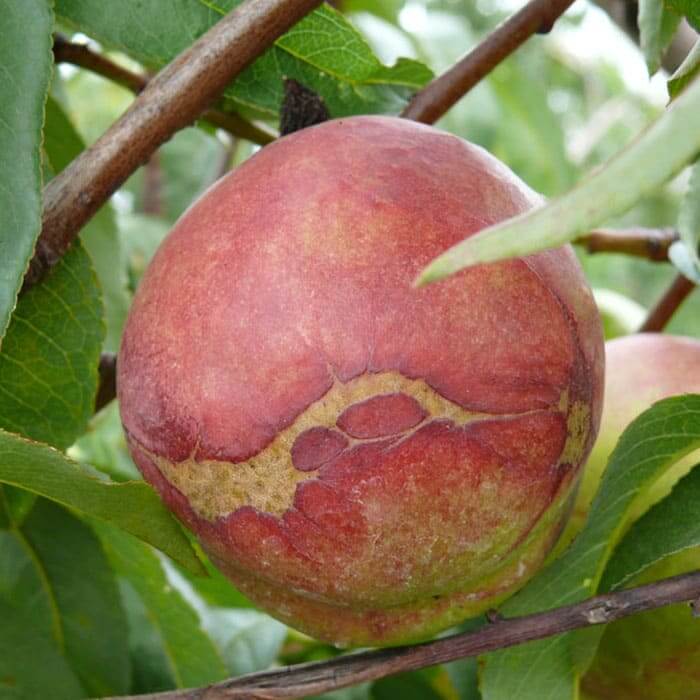
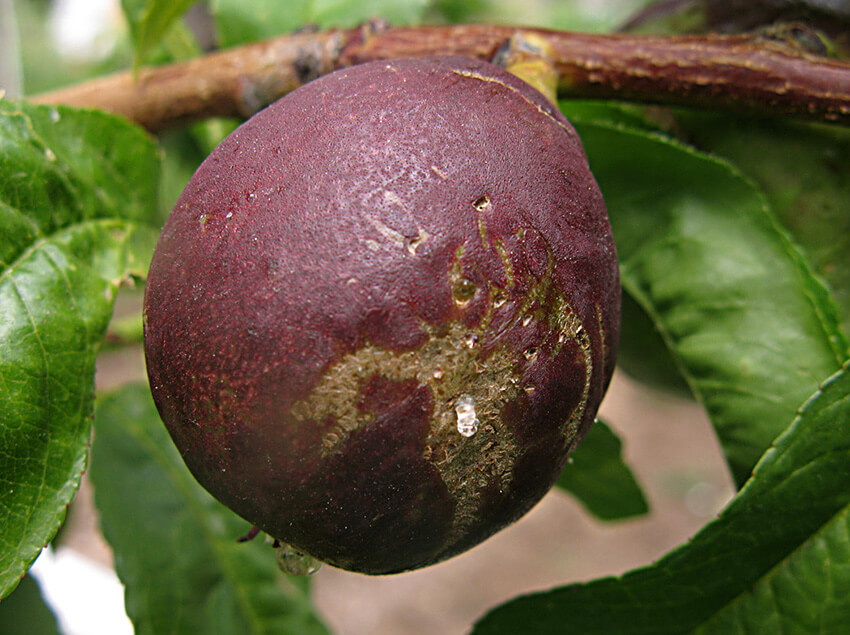
In peach, peach or nectarine, thrips cause a disease characterized by both direct and indirect damage to the plant. Direct damage includes larvae and adults feeding on leaves, shoots and fruits, while indirect damage results from the transmission of viruses and other pathogens. Thrips feeding causes silvery or discolored Taches on leaves and fruits, which affects appearance and commercial quality. In addition, thrips can induce deformations in shoots and leaves, and in severe cases, cause premature drop of flowers and fruits. Symptoms include:
- Silvery or discolored Taches on the leaves and fruits.
- Deformations in shoots and leaves.
- Premature fall of flowers and fruits.
- Reduction in plant growth.
- Presence of small scars or calluses on the surface of the fruits.
- Signs of viruses transmitted by thrips, such as leaf mottling.


DEVELOPMENT CONDITIONS
Temperature:
20°C - 30°C
Humidity:
60% - 80%

HOW IS IT SPREAD?
Wind, contaminated tools, infected plant material, vector insects

HOW TO ELIMINATE IT?
Home treatments
There are no home treatments
Natural allies
Chemical treatments
There are no treatments for this disease. Treatments are directed at the insect vectors that transmit it. See insect treatments.
RECOMMENDED PRODUCTS TO ELIMINATE THE PEST





PLANTAS REPELENTES

RECOMMENDATIONS
OTHER PESTS THAT MAY INTEREST YOU


DID YOU LIKE IT?
Now you can always have it on your mobile, without ads and totally FREE. TRY idMicrobe NOW!



Explore more tools
Services
Contact
Legal
©2023 por ZeriMar Laboratoire. Todos los derechos reservados.