


Symptoms, treatments, and recommendations for treating pear root-knot mite
Pear Root Root Mite
Eriophyes Pyri
Pathogen:
Type:
Insect
Risk:
INTERMEDIATE
Peral
Ácaros

WHO CAUSES IT?
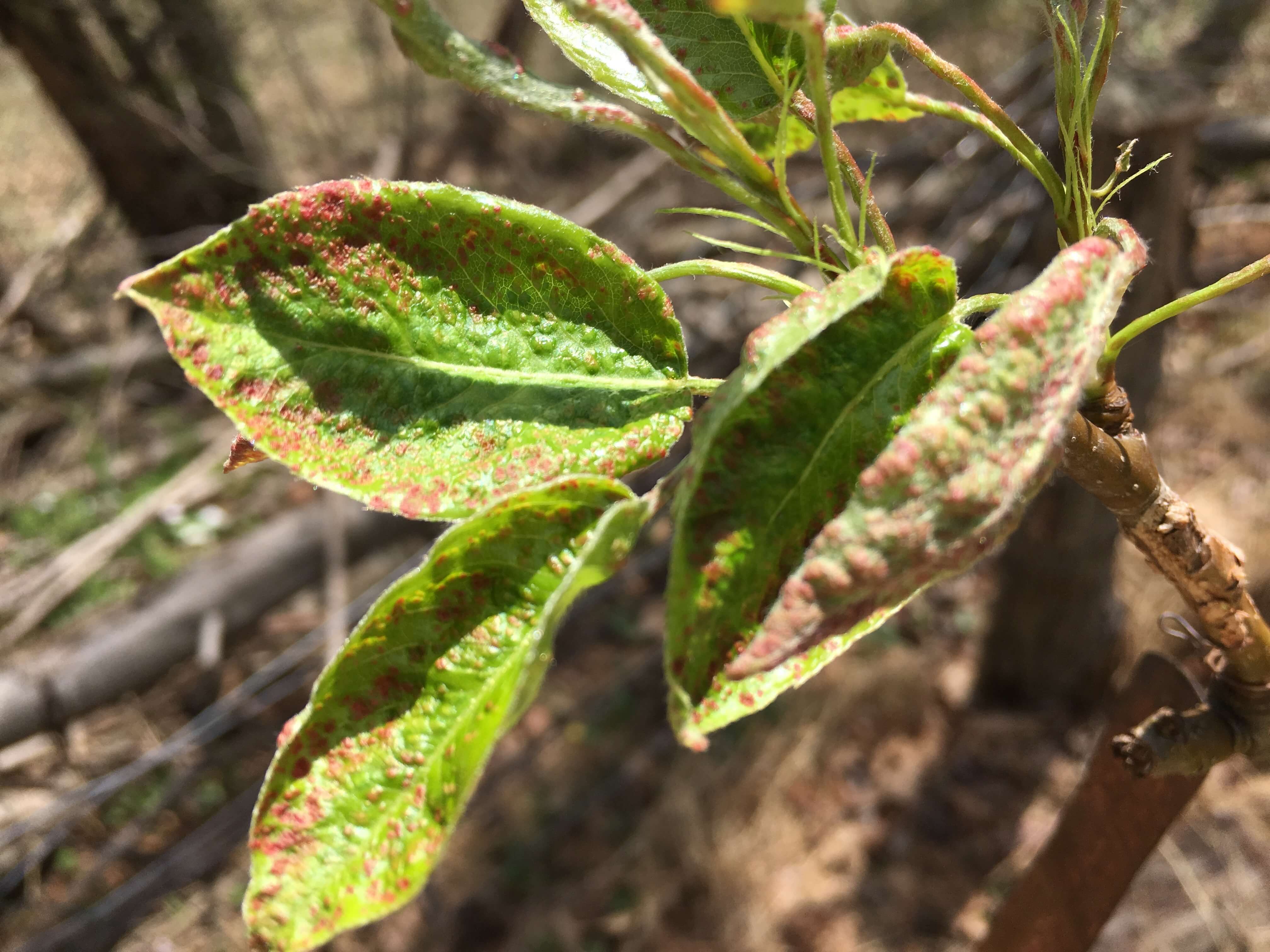
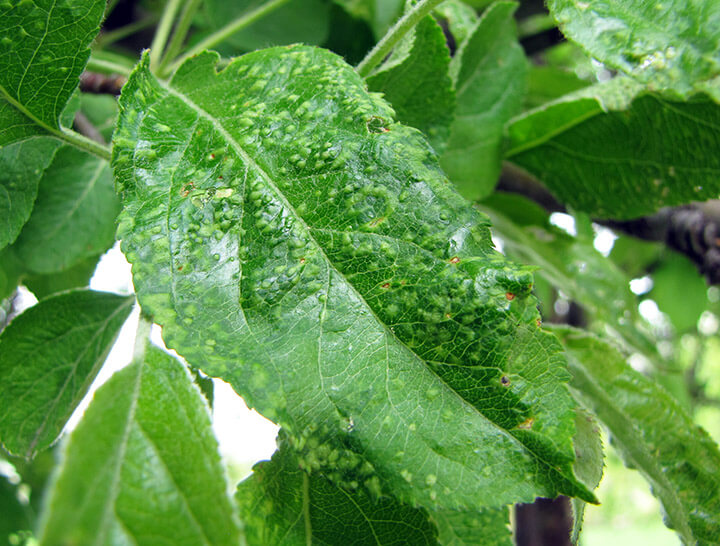
Eriophyes pyri, commonly known as the pear root-knot mite, is a tiny mite that causes significant damage to pear crops. This mite belongs to the Eriophyidae family and is characterized by its elongated, vermiform shape, with only two pairs of legs located near its head. During spring, adult mites emerge from their winter shelters in crevices in the bark and buds of trees to begin feeding on young leaves and shoots. Feeding induces the formation of galls, which are swollen structures on leaves and shoots. Females lay their eggs inside these gills, providing a protected environment for larvae to develop. The larvae, after hatching, continue feeding inside the gills before maturing and emerging as adults to repeat the cycle. This process can be repeated several times during the growing season, favored by mild and humid climatic conditions.

SYMPTOMS
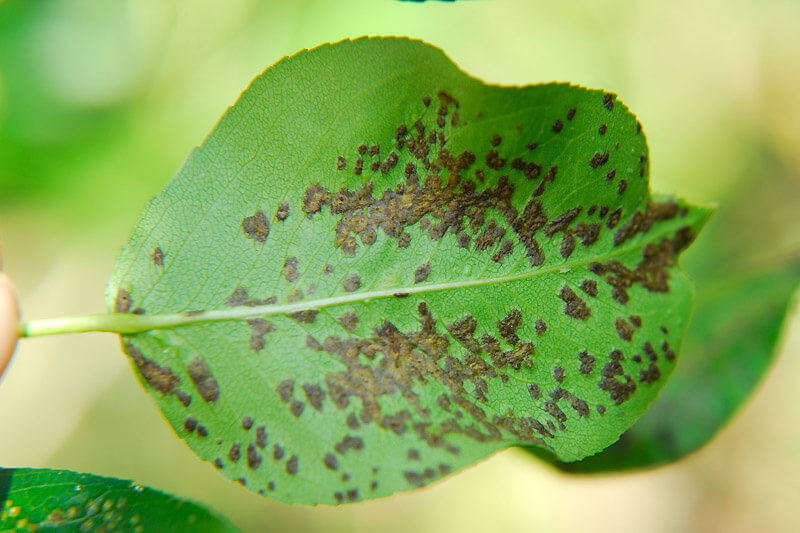
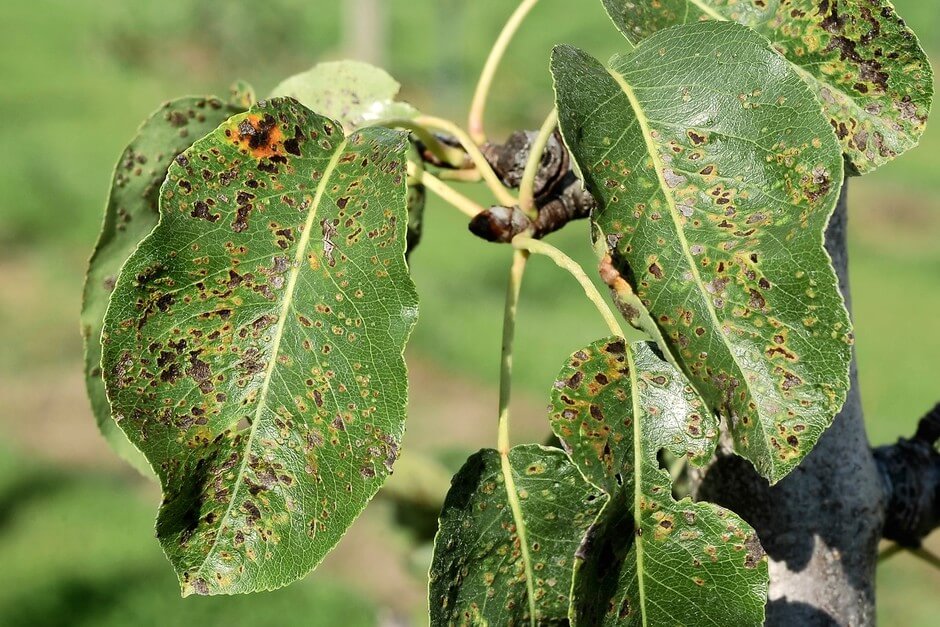
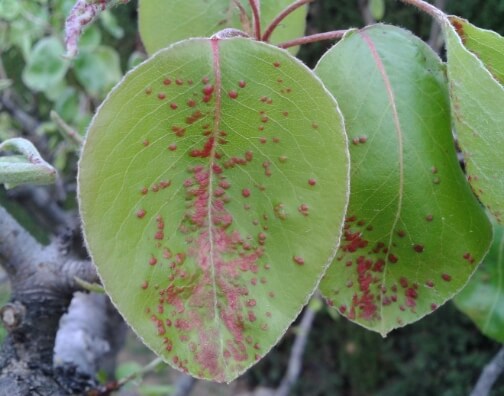
In pear trees, Eriophyes pyri causes the disease known as pear root root mite, which manifests itself mainly through the formation of galls on leaves and shoots. These galls negatively affect the growth and productivity of the tree, and their presence may indicate a significant infestation.
- Appearance of galls on leaves and shoots.
- Deformed and thickened leaves.
- Reduction in photosynthesis due to foliar damage.
- Delay in the growth of new shoots.
- Premature fall of affected leaves.
- General weakened appearance of the tree.
- Decrease in the quality and quantity of the fruit.
- Greater susceptibility to other pests and diseases due to plant stress.


TEMPERATURE AND HUMIDITY
15°C - 25°C
60% - 80%

TRANSMISSION ROUTES
Wind, Movement of infected plant material, Direct contact between trees, Contaminated pruning tools
Do you want to remove this disease? Choose how you want to treat it.

TREATMENTS
Chemical treatments
• RAPE OIL 1.69% ( ) [AL] P/V
• RAPE OIL 77.7% [EC] P/V
• ORANGE OIL 60g/L [ME] P/S
• PARAFFIN OIL (CAS [64742-46-7]) 79% [EC] P/V
• PARAFFIN OIL (CAS [64742-46-7]) 80% [EC] P/V
• PARAFFIN OIL (CAS [8042-47-5]) 54.6% [EW] P/V
• PARAFFIN OIL (CAS [8042-47-5]) 79% [EC] P/V
• PARAFFIN OIL (CAS [97862-82-3]) 40% [EW] P/V
• Paraffin oil 65.4% [EW] P/V
• PARAFFIN OIL 81.7% [EC] P/V
• PARAFFIN OIL 83% [EC] P/V
• ACEQUINOCIL 16.4% [SC] P/V
• SULFUR 70% [SC] P/V
• SULFUR 72% [SC] P/V
• SULFUR 80% [SC] P/V
• SULFUR 80% [WG] P/P
• SULFUR 80% [WP] P/P
• CIFLUMETOFEN 20% [SC] P/V
• PHENPIROXIMATE 6.24% + HEXITIAZOX 3.12% [SC] P/V
• ALUMINUM PHOSPHIDE 56% (0.6 G/TABLET) [GE] P/P
• ALUMINUM PHOSPHIDE 56% (3 G/TABLET) [GE] P/P
• ALUMINUM PHOSPHIDE 56% [GE] P/P
• HEXITIAZOX 10% [WP] P/P
• HEXITIAZOX 25.13% [SC] P/V
• HEXITIAZOX 25.87% [SC] P/V
• HEXITIAZOX 25% [SC] P/V
• LAMBDA CYHALOTHRIN 10% [CS] P/V
• MALTODEXTRIN 47.6% [SL] P/V
• POTASSIUM SALTS OF FATTY ACIDS C14-C20 48% [EW] P/V
• SPIROTETRAMAT 10% [SC] P/V
• TAU-FLUVALINATE 24% [EW] P/V
Authorized treatments in organic farming
• RAPE OIL 1.69% ( ) [AL] P/V
• RAPE OIL 77.7% [EC] P/V
• ORANGE OIL 60g/L [ME] P/S
• PARAFFIN OIL (CAS [64742-46-7]) 79% [EC] P/V
• PARAFFIN OIL (CAS [64742-46-7]) 80% [EC] P/V
• PARAFFIN OIL (CAS [8042-47-5]) 54.6% [EW] P/V
• PARAFFIN OIL (CAS [8042-47-5]) 79% [EC] P/V
• PARAFFIN OIL (CAS [97862-82-3]) 40% [EW] P/V
• Paraffin oil 65.4% [EW] P/V
• PARAFFIN OIL 81.7% [EC] P/V
• PARAFFIN OIL 83% [EC] P/V
• SULFUR 70% [SC] P/V
• SULFUR 72% [SC] P/V
• SULFUR 80% [SC] P/V
• SULFUR 80% [WG] P/P
• SULFUR 80% [WP] P/P
• LAMBDA CYHALOTHRIN 10% [CS] P/V
• MALTODEXTRIN 47.6% [SL] P/V
• POTASSIUM SALTS OF FATTY ACIDS C14-C20 48% [EW] P/V
Biological control
• CHRYSOPERLA CARNEA
• METARHIZIUM BRUNNEUM strain Ma 43 10.5% [OD] P/V
Recommendations
- Carry out regular pruning to eliminate and destroy the parts of the tree affected by galls.
- Maintain constant surveillance during the growing season to detect early signs of infestation.
- Apply treatments with specific acaricides at the appropriate times in the mite cycle, especially before sprouting.
- Encourage the presence of natural enemies of the root-knot mite, such as predatory mites and lacewings.
- Avoid excessive use of broad-spectrum pesticides that can eliminate natural enemies.
- Implement agricultural sanitation practices, including the removal of fallen leaves and shoots.
- Promote crop rotation and diversification of plantations to reduce pest pressure.
- Monitor and adjust humidity and temperature conditions in the orchard to make them less favorable for mite development.





*Recommended treatments are still recommendations according to authority databases and in no way replace the guidelines established according to the legislation of each country.
*Products shown are recommendations and not our own products. As Amazon Associates, we earn revenue from purchases of recommended products.

TREATMENTS
Homemade remedies
There are no home treatments
Natural allies
Chemical treatments
There are no treatments for this disease. Treatments are directed at the insect vectors that transmit it. See insect treatments.

RECOMMENDATIONS

REPELLENT PLANTS
EFFECTIVE PRODUCTS TO ELIMINATE THIS DISEASE
*Recommended treatments are still recommendations according to authority databases and in no way replace the guidelines established according to the legislation of each country.
*Products shown are recommendations and not our own products. As Amazon Associates, we earn revenue from purchases of recommended products.



Explore more tools
Services
Contact
Legal
©2023 por ZeriMar Laboratoire. Todos os direitos reservados.