


Downy mildew in fruit: symptoms, prevention and treatment
Mildew
Different species
Pathogen:
Type:
Oomycete
Risk:
HIGH
Frutos
Mildiu

WHO CAUSES IT?
Downy mildew is caused by various organisms, primarily belonging to the oomycetes, including species from genera such as Plasmopara, Pseudoperonospora, Peronospora, Bremia, and other related groups. Although they share similar characteristics with fungi, oomycetes have significant biological differences and produce specialized structures to infect and colonize plant tissues. Development begins when spores present in the environment reach a susceptible plant surface and encounter suitable conditions of humidity and temperature. In the presence of free water, many species produce germinal structures that allow the pathogen to penetrate the tissues through stomata or other susceptible areas. Once inside, the organism develops a network of hyphae between the cells and forms specialized structures to obtain nutrients from the living tissue. When the infection is sufficiently developed and environmental conditions are favorable, the pathogen can produce reproductive structures that emerge mainly through the stomata and generate large quantities of sporangia, or spores. These structures can be transported by wind, rain, or water splash to other plants. In certain species, the sporangia release motile zoospores capable of traveling in a film of water and reaching new infection sites. High humidity and prolonged water exposure on plant tissues particularly favor germination, penetration, and the production of new reproductive structures. Some species can also produce resistant sexual structures, such as oospores, which can survive in plant debris or in the soil during unfavorable periods and subsequently cause new infections. The rapid succession of infections when sufficient moisture is present can lead to a very rapid spread of the disease within the crop.
.png)
SYMPTOMS
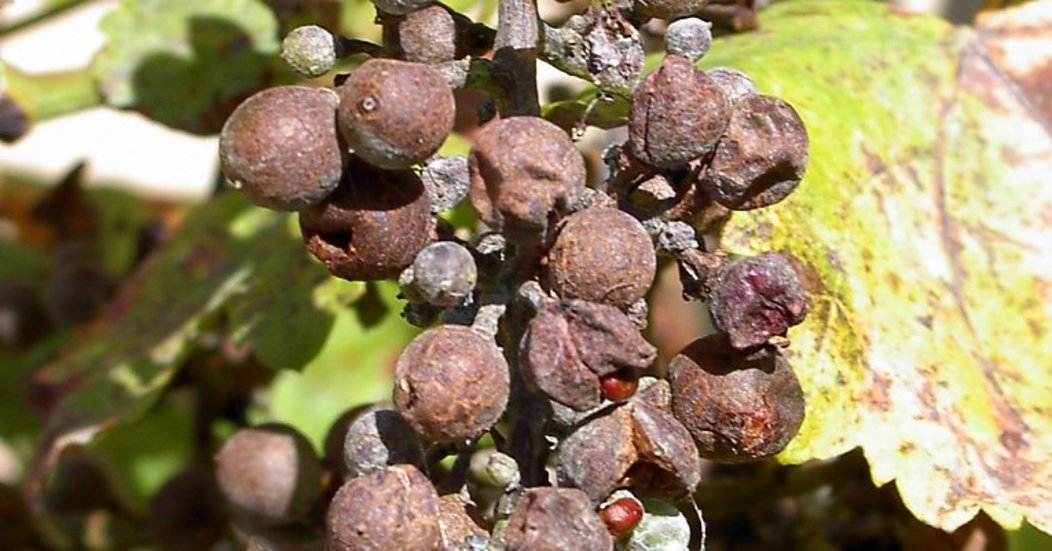
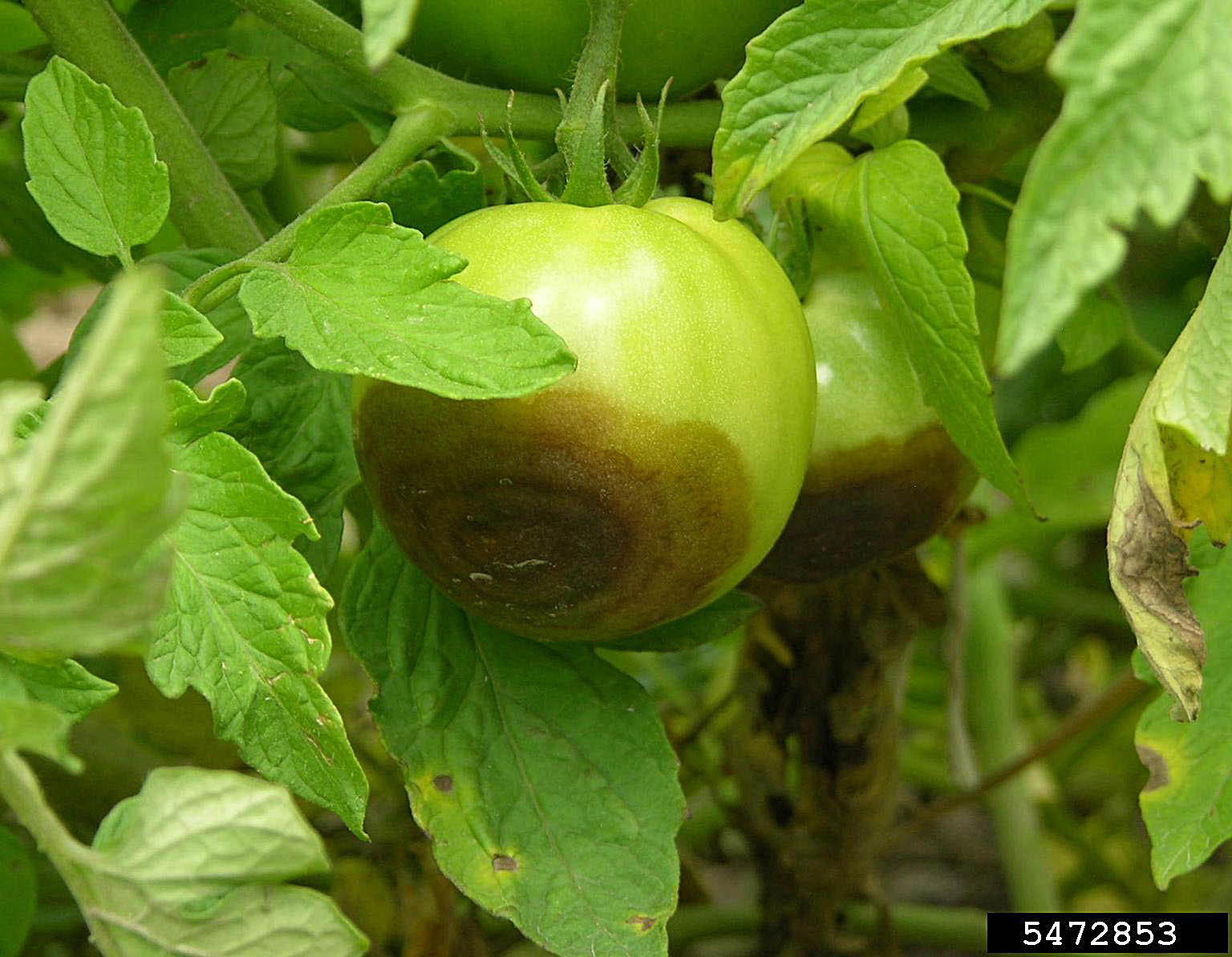
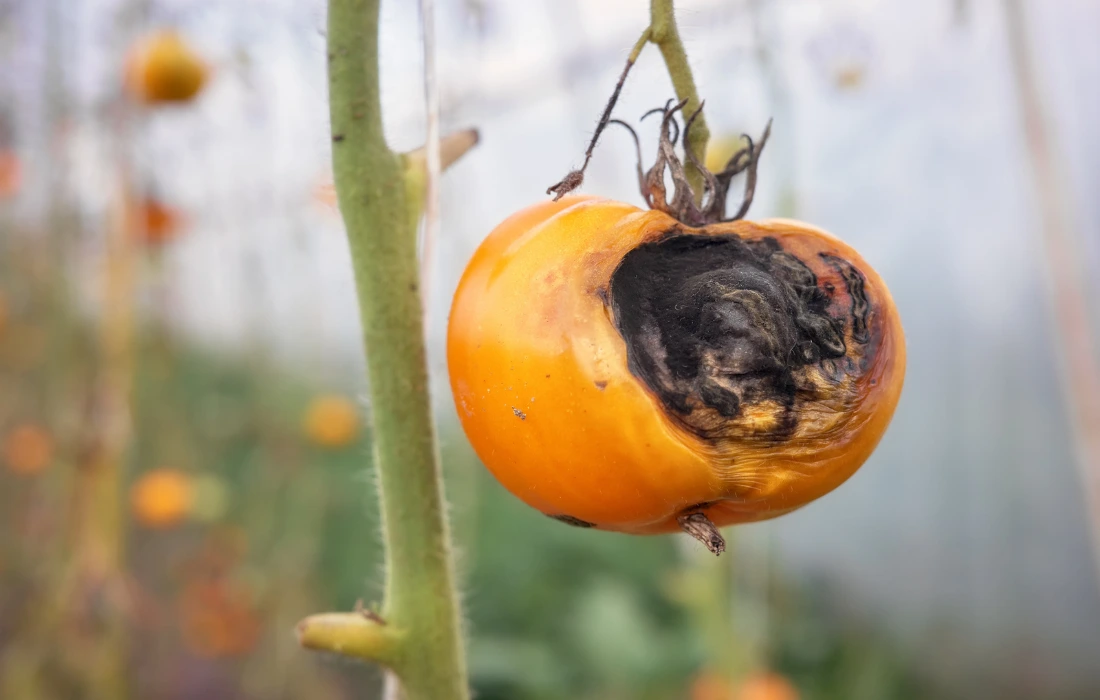
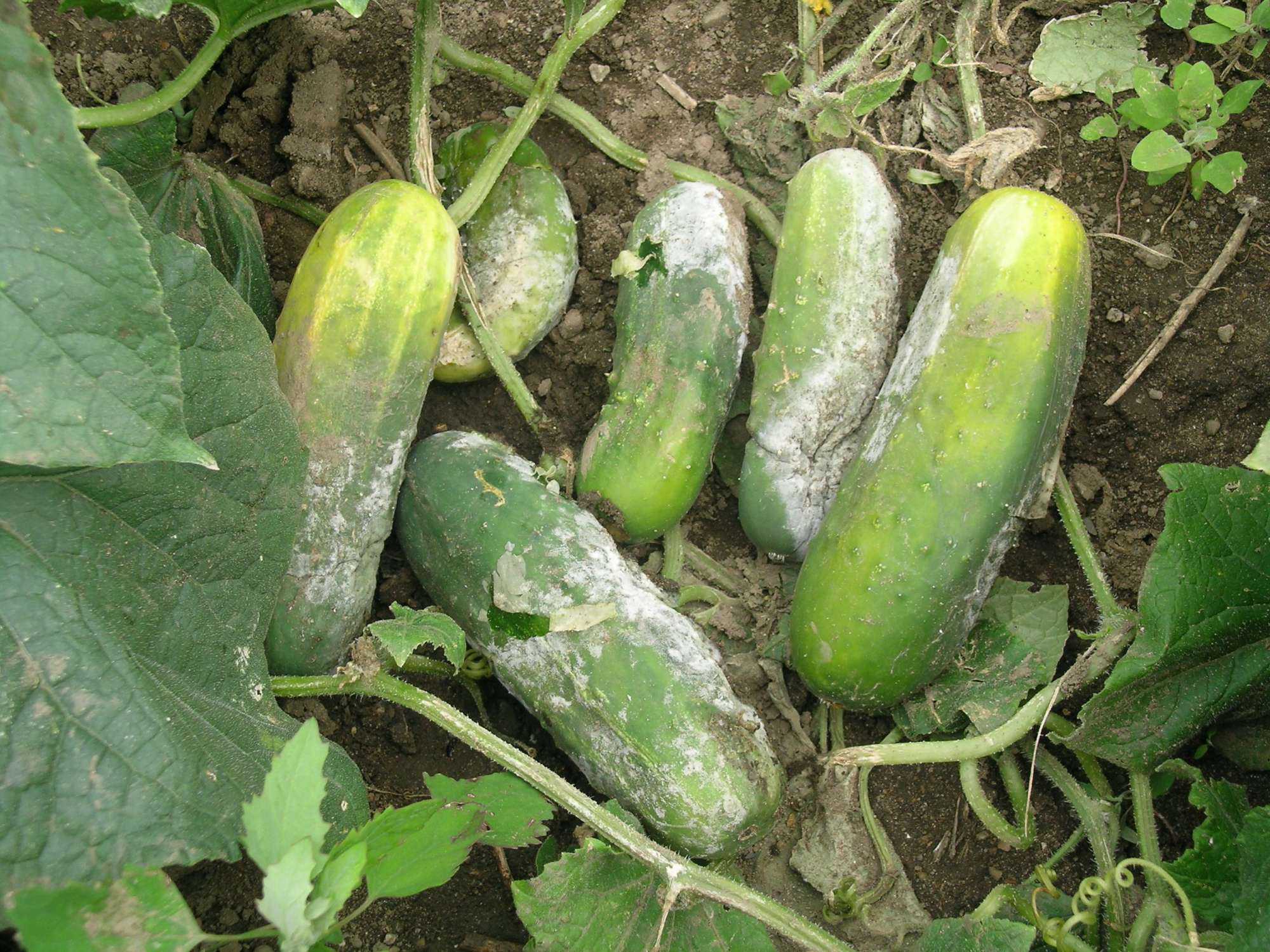
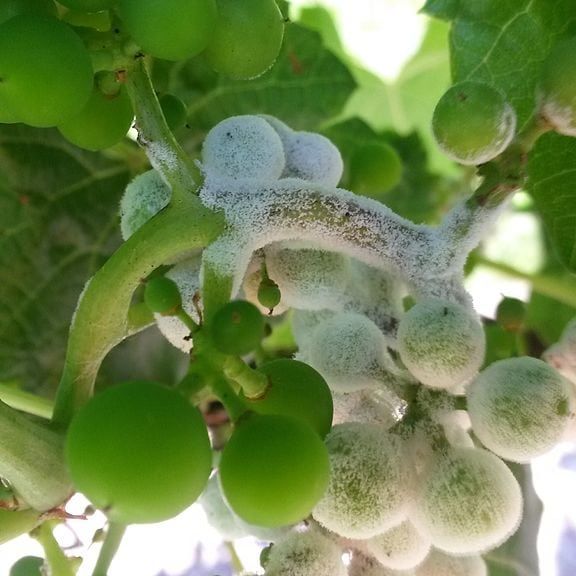
Downy mildew can affect fruit, causing lesions that may initially be small and water-soaked, but which progressively increase in size when environmental conditions are favorable. Affected areas may turn brown, dark, or necrotic and, in certain species, develop a moist, soft texture. Early infections can interfere with normal fruit development and cause deformities or permanent damage. Under high humidity, lesions can spread rapidly and also facilitate the entry of other microorganisms responsible for secondary rots. The damage reduces commercial quality and, when the infection is severe, can lead to significant production losses.
• Appearance of water-soaked or translucent spots on the fruit surface.
• Formation of yellowish, brown, or necrotic lesions.
• Appearance of sunken or depressed areas in the affected tissues.
• Rapid spread of lesions during humid periods.
• Softening and deterioration of fruit tissues.
• Fruit deformation when infection occurs during the early stages of development.
• Appearance of secondary rots in damaged areas.
• Development of dark or necrotic areas in advanced infections.
• Premature fruit drop in severe infestations.
• Reduction in fruit size, quality, and commercial value.


TEMPERATURE AND HUMIDITY
15-25 °C
80-100 %

TRANSMISSION ROUTES
Wind, Rain, Irrigation water, Splashes, Sporangia, Zoospores, Oospores, Infected plant debris, Contaminated soil
Do you want to remove this disease? Choose how you want to treat it.

TREATMENTS
Chemical treatments
• ORANGE OIL 6% [SL] P/V
• ORANGE OIL 60g/L [ME] P/S
• AZOXISTROBIN 25% [SC] P/V
• CAPTAN 47.5% [SC] P/V
• FOLPET 80% [WG] P/P
• FOSETIL 31% + Propamocarb 53% [SL] P/V
• CUPRIC HYDROXIDE 25% (EXPR. IN CU) [WG] P/P
• CUPRIC HYDROXIDE 50% (EXPR. IN CU) [WP] P/P
• LAMINARIN 4.5% [SL] P/S
• METIRAM 70% [WG] P/P
• COPPER OXYCHLORIDE 14% (exp. in Cu) + CUPRIC HYDROXIDE 14% (exp. in Cu) [WG] P/P
• COPPER OXYCHLORIDE 30% (EXPR. IN CU) [WP] P/P
• COPPER OXYCHLORIDE 35% (exp. in Cu) [WG] P/P
• COPPER OXYCHLORIDE 35% (EXPR. IN CU) [WG] P/P
• COPPER OXYCHLORIDE 38% (EXPR. IN CU) [SC] P/V
• COPPER OXYCHLORIDE 50% (EXPR. IN CU) [WP] P/P
• COPPER OXYCHLORIDE 52% (EXPR. IN CU) [SC] P/V
• CUPROUS OXIDE 50% (EXPR. IN CU) [WP] P/P
• PIRACLOSTROBIN 6.7% + BOSCALIDE 26.7% (I) [WG] P/P
• SULFATE CUPROCALCIC 20% (EXPR. IN CU) [WG] P/P
• CUPROCALCIC SULFATE 20% (EXPR. IN CU) [WP] P/P
• TRIBASIC COPPER SULFATE 19% (EXPR. IN CU) [SC] P/V
Authorized treatments in organic farming
• ORANGE OIL 6% [SL] P/V
• ORANGE OIL 60g/L [ME] P/S
• CUPRIC HYDROXIDE 25% (EXPR. IN CU) [WG] P/P
• CUPRIC HYDROXIDE 50% (EXPR. IN CU) [WP] P/P
• LAMINARIN 4.5% [SL] P/S
• COPPER OXYCHLORIDE 14% (exp. in Cu) + CUPRIC HYDROXIDE 14% (exp. in Cu) [WG] P/P
• COPPER OXYCHLORIDE 30% (EXPR. IN CU) [WP] P/P
• COPPER OXYCHLORIDE 35% (exp. in Cu) [WG] P/P
• COPPER OXYCHLORIDE 35% (EXPR. IN CU) [WG] P/P
• COPPER OXYCHLORIDE 38% (EXPR. IN CU) [SC] P/V
• COPPER OXYCHLORIDE 50% (EXPR. IN CU) [WP] P/P
• COPPER OXYCHLORIDE 52% (EXPR. IN CU) [SC] P/V
• CUPROUS OXIDE 50% (EXPR. IN CU) [WP] P/P
• CUPROCALCIC SULFATE 20% (EXPR. IN CU) [WG] P/P
• CUPROCALCIC SULFATE 20% (EXPR. IN CU) [WP] P/P
• TRIBASIC COPPER SULFATE 19% (EXPR. IN CU) [SC] P/V
Biological control
• BACILLUS SUBTILIS (strain IAB/BS03) (1 x 10E8 cfu/ml) 10 g/l [SL] P/V
• TRICHODERMA ASPERELLUM (STRAIN ICC012) 2% + TRICHODERMA GAMSII (STRAIN ICC080) 2% (3 X 10E7 CFU/G (SUM OF BOTH MICROORGANISMS)) [WP] P/P
Recommendations
• Avoid prolonged periods of moisture on the fruit and promote good ventilation of the crop.
• Avoid sprinkler irrigation when conditions may favor the disease.
• Use localized irrigation whenever possible to reduce wetting of the vegetation.
• Maintain an appropriate planting density to facilitate air circulation.
• Remove and destroy affected fruit and plant debris to reduce sources of inoculum.
• Avoid working in the crop when the plants are wet.
• Pay special attention to the crop during periods of rain, high humidity, and favorable temperatures.
• Carry out frequent inspections to detect the first signs of damage.
• Use tolerant or resistant varieties when available.
• Apply preventative treatments when there is a high risk of infection.
• Alternate fungicides with different modes of action to reduce the risk of resistance development.
• Respect the doses, intervals, and maximum number of applications indicated on the label.
• Combine phytosanitary treatments with cultural practices to improve control and reduce disease pressure.

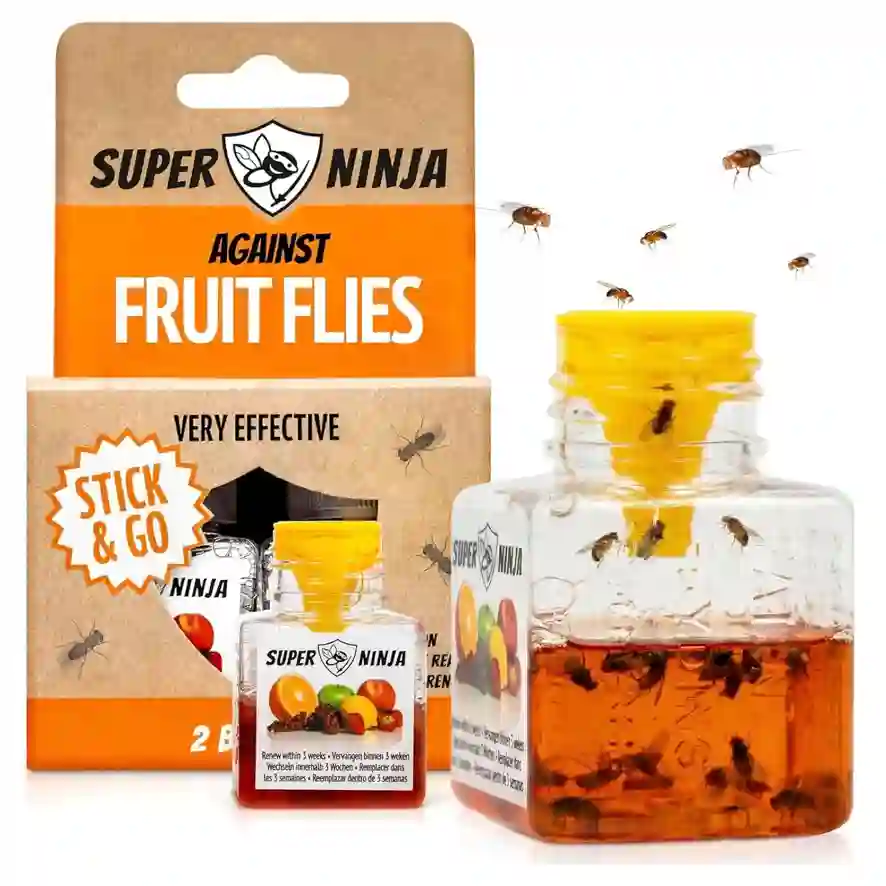
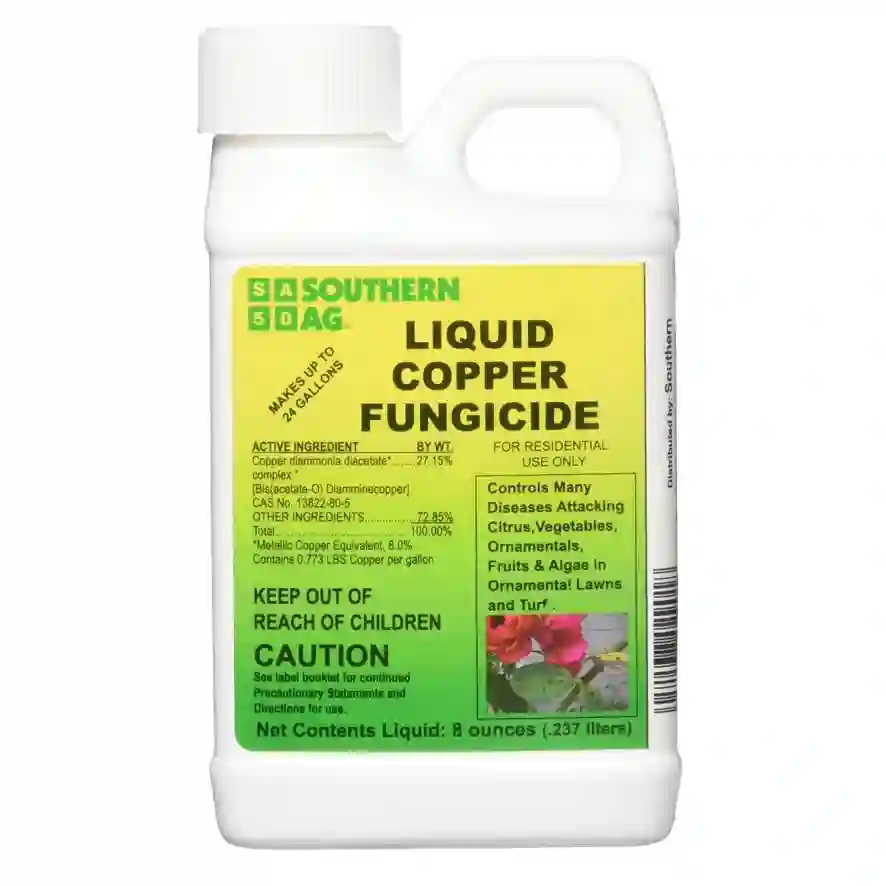


*Recommended treatments are still recommendations according to authority databases and in no way replace the guidelines established according to the legislation of each country.
*Products shown are recommendations and not our own products. As Amazon Associates, we earn revenue from purchases of recommended products.

TREATMENTS
Homemade remedies
There are no home treatments
Natural allies
Chemical treatments
There are no treatments for this disease. Treatments are directed at the insect vectors that transmit it. See insect treatments.

RECOMMENDATIONS

REPELLENT PLANTS
EFFECTIVE PRODUCTS TO ELIMINATE THIS DISEASE
*Recommended treatments are still recommendations according to authority databases and in no way replace the guidelines established according to the legislation of each country.
*Products shown are recommendations and not our own products. As Amazon Associates, we earn revenue from purchases of recommended products.



Explore more tools
Services
Contact
Legal
©2023 por ZeriMar Laboratoire. Todos os direitos reservados.