top of page
idMicrobe: Tool to recognize plant diseases and consult home treatments

The Guide to Caring for Your Plants

Learn to recognize pests and how to combat them

Stink bugs in fruit: symptoms, prevention and treatment

Bed bugs

Different species

Pathogen:

Type:

Insect

Risk:

HIGH
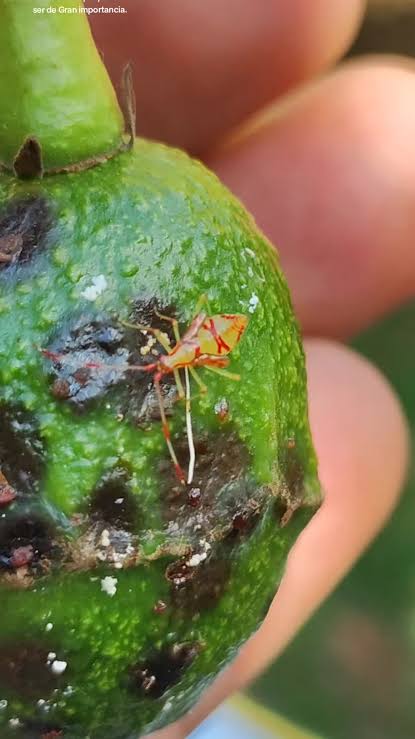
Stink bugs in fruit: symptoms, prevention and treatment

Frutos

Chinches

Bed bugs: Symptoms, damage and solutions in fruit
1709890758744.png

WHO CAUSES IT?

True bugs are insects belonging primarily to the order Hemiptera and comprise numerous species that can damage various types of crops. Among the species that affect fruit are phytophagous bugs from different families, such as Pentatomidae, Coreidae, and Miridae. Adults have piercing-sucking mouthparts, adapted to penetrate plant tissues and extract sap. Females typically lay their eggs on leaves, shoots, stems, or, in certain species, directly on structures near the fruit. Nymphs hatch from the eggs and go through several stages before reaching adulthood. Nymphs usually look different from adults, initially lacking fully developed wings, but they can already feed actively and cause damage. As the nymphal stages progress, they increase in size and gradually develop the characteristics of adults. Depending on the species and environmental conditions, several generations can occur during a single season, especially in areas with high temperatures and a continuous food supply. Adults can move between different plants and plots, while some species may also take refuge in spontaneous vegetation, plant debris, or sheltered locations during unfavorable periods. Dispersal by flight is one of the main causes of new infestations. Populations can increase rapidly when temperatures are favorable, vegetation is abundant, and susceptible fruit is continuously present. Both nymphs and adults can feed on fruit, although the severity of the damage and preferences for certain developmental stages depend on the species. Feeding by piercing causes small lesions, and in addition to direct damage, some species can inject salivary substances that alter plant tissues and cause deformities or necrosis around the feeding site.

1713099015053 (2).png

SYMPTOMS

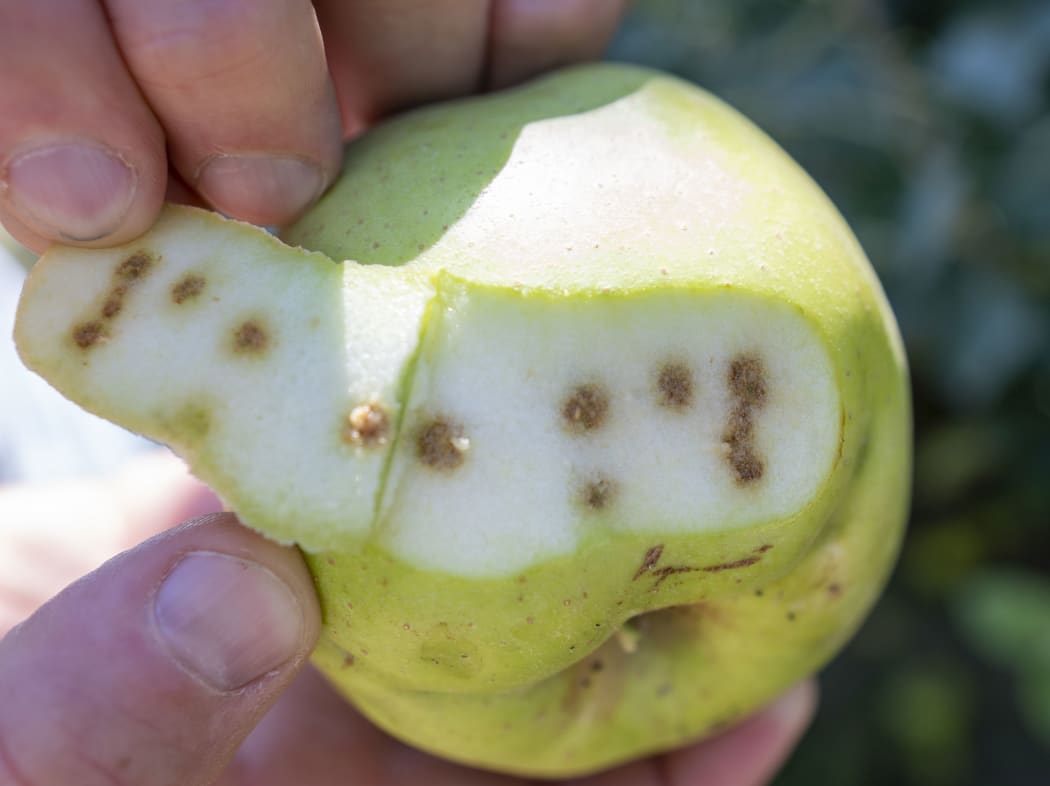
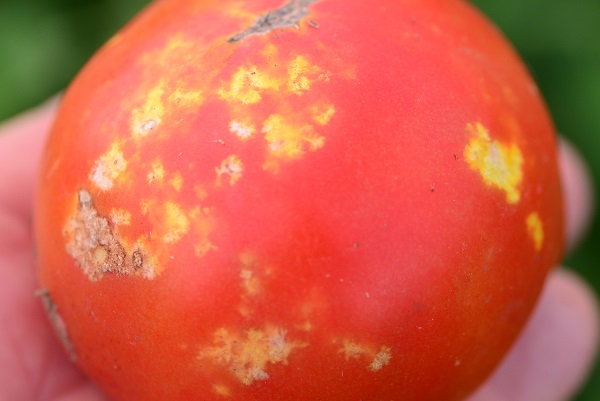
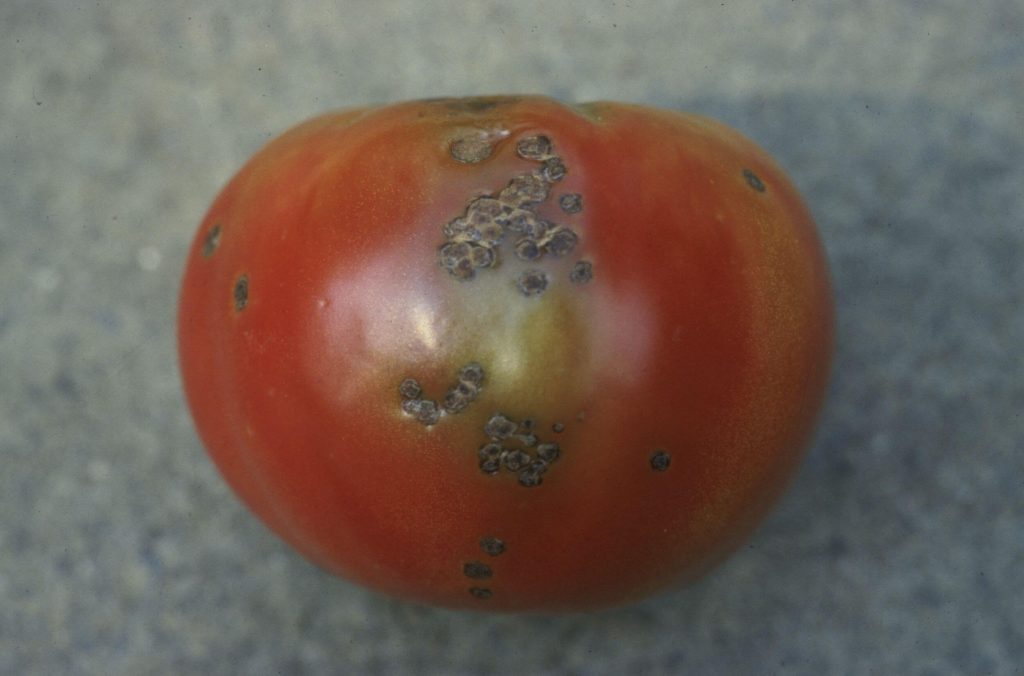
Stink bugs can cause significant damage to fruit by inserting their mouthparts into the tissues to feed. Feeding typically occurs during different stages of development and can be especially damaging when the fruit is young, as feeding can interfere with normal growth. The lesion may remain visible during ripening and affect both the external appearance and internal quality. Depending on the stink bug species and the crop affected, sunken areas, discolored spots, necrosis, deformations, or pulp alterations may appear around the feeding sites. In some fruits, feeding can lead to uneven ripening or the formation of hardened and discolored tissue. Significant commercial losses can also occur even if the affected area is relatively small, especially in fruit intended for fresh consumption. Lesions caused during the early stages of development can leave permanent scars as the fruit increases in size.

• Appearance of small feeding punctures on the surface of the fruit.


• Formation of yellowish, brownish, reddish, or necrotic spots around feeding sites.

• Presence of small depressions or sunken areas in the epidermis.

• Fruit deformation when feeding occurs during the early stages of development.

• Appearance of scars or permanent alterations on the surface during ripening.

• Hardening or alteration of the tissues located beneath the feeding sites.

• Discoloration of the pulp around the affected areas.

• Uneven ripening of the damaged tissues.

• Appearance of deformed fruit or fruit with reduced commercial quality.

• Localized necrosis in the tissues when the damage is severe.

• Presence of several feeding sites irregularly distributed across the fruit.

• Premature fruit drop in cases of severe infestation.

• Reduction in the commercial value of the fruit due to external damage.

• Entry of secondary microorganisms through wounds caused by punctures.
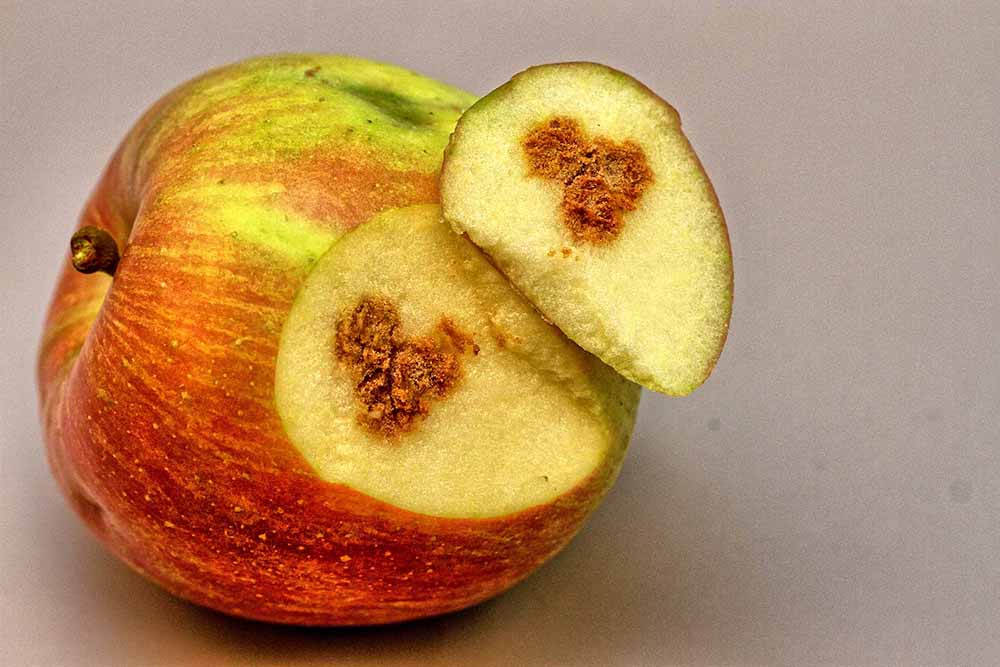

Damage caused by bed bugs to fruit
Fruit bugs: How to recognize and effectively treat them
Fruit affected by bed bugs with bites and spots on the surface
1709890758650.png

TEMPERATURE AND HUMIDITY

20-30 °C

60-90 %

1709890758697.png

TRANSMISSION ROUTES

Adult flight, Movement between plants, Spontaneous vegetation, Infested plant material, Plant debris, Accidental transport of insects

Do you want to remove this disease? Choose how you want to treat it.

1709890758673.png

TREATMENTS

Chemical treatments

• ORANGE OIL 60g/L [ME] P/S
• ACETAMIPRID 20% [SP] P/P
• AZADIRACTIN 1% (AS AZADIRACTIN A) [EC] P/V
• CYPERMETHRIN 50% [EC] P/V
• DELTAMETHRIN 1.5% [EW] P/V
• DELTAMETHRIN 1.57% [SC] P/V
• DELTAMETHRIN 10% [EC] P/V
• DELTAMETHRIN 2.5% [EC] P/V
• DELTAMETHRIN 2.5% [EW] P/V
• ESFENVALERATE 2.5% [EC] P/V
• LAMBDA CYHALOTHRIN 0.0015% [ME] P/V
• LAMBDA CYHALOTHRIN 1.5% [CS] P/V
• LAMBDA CYHALOTHRIN 10% [CS] P/V
• LAMBDA CYHALOTHRIN 5% [EG] P/P
• POTASSIUM SALTS OF VEGETABLE FATTY ACIDS 13.04% [SL] P/V
• SULFOXAFLOR 12% [SC] P/V
• TAU-FLUVALINATE 24% [EW] P/V

Authorized treatments in organic farming

• ORANGE OIL 60g/L [ME] P/S
• AZADIRACTIN 1% (AS AZADIRACTIN A) [EC] P/V
• LAMBDA CYHALOTHRIN 0.0015% [ME] P/V
• LAMBDA CYHALOTHRIN 1.5% [CS] P/V
• LAMBDA CYHALOTHRIN 10% [CS] P/V
• LAMBDA CYHALOTHRIN 5% [EG] P/P
• POTASSIUM SALTS OF VEGETABLE FATTY ACIDS 13.04% [SL] P/V

Biological control

-

Recommendations

• Conduct regular crop inspections, especially during fruit formation and ripening stages.

• Monitor for the presence of adults and nymphs on leaves, shoots, and fruit.

• Pay particular attention to field edges, as adults can move from nearby vegetation into the crop.

• Remove or control spontaneous vegetation that may serve as shelter or a food source for stink bugs, provided it is suitable for the crop and the environment.

• Keep the field free of plant debris that could provide shelter for certain species during unfavorable periods.

• Avoid excessive vegetation and maintain a crop structure that facilitates the detection of populations.

• Use appropriate traps or monitoring systems to detect the presence and evolution of populations.

• Install capture traps or physical barriers when compatible with the crop and capable of reducing the entry of adults.

• Pay special attention to periods of high temperatures, when the activity and reproduction of many species may increase.

• Regularly check the fruit for the first signs of infestation before the damage reaches significant levels.

• Implement control measures when the established intervention thresholds for the species and crop are reached, when these are available.

• Encourage the presence of natural enemies of stink bugs through integrated pest management and by avoiding unnecessary treatments that may affect beneficial insects.

• Maintain areas of beneficial vegetation when compatible with the crop and when they allow for the maintenance of beneficial organism populations.

• Use physical or mechanical trapping methods when they are effective and feasible depending on the size of the crop.

• Apply phytosanitary treatments only with products authorized for the crop and the corresponding pest.

• Apply treatments when the pest is most susceptible to improve their effectiveness.

• Direct the application appropriately to achieve sufficient coverage of the areas where nymphs and adults are concentrated.

• Strictly adhere to the dosages, maximum number of applications, intervals, and other conditions established on the product label.

• Alternate active ingredients with different modes of action when several applications are necessary during the same season.

• Avoid repeated and unnecessary applications that may favor the emergence of populations less susceptible to certain insecticides.

• Combine phytosanitary applications with cultural, physical, and biological control measures to reduce dependence on insecticides.

• Remove severely affected fruit when feasible, as they may constitute a source of deterioration or attract new populations.

• Monitor neighboring crops and nearby areas to detect adult movements toward the plot.

• Monitor the population after treatment to verify its effectiveness and detect possible re-infestations.

• Avoid indiscriminate treatments during flowering to reduce the impact on pollinators and other beneficial organisms.

Sponsored link

Your product

Your product

Your products closer to your customers

Sponsored link

Sponsored link

Sponsored link

Insecticidal soap

Insecticidal soap

Home treatment. Eco-friendly

Sponsored link

Bacillus Thuringiensis BT Organic Worm & Caterpillar Control

Bacillus Thuringiensis BT Organic Worm & Caterpillar Control

Eco-friendly. Respectful of animals, the environment, and people.

Sponsored link

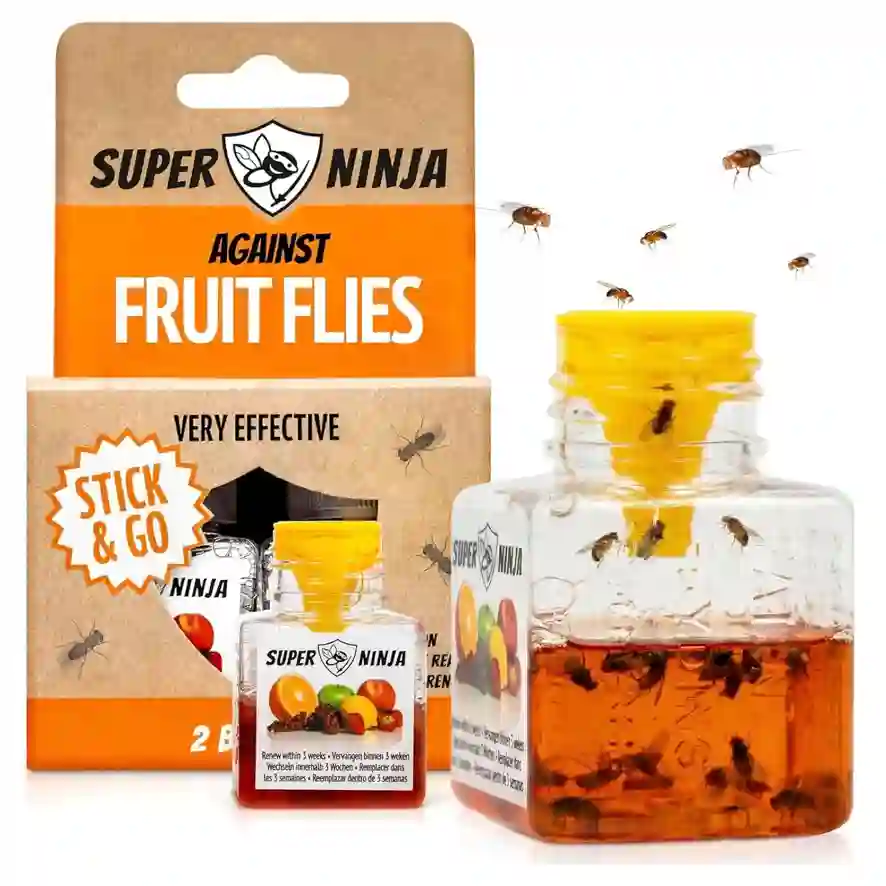
Fruit fly traps

Fruit fly traps

Non-Toxic. Reusable. For indoor and outside

Sponsored link

Treatment against snails and slugs

Treatment against snails and slugs

Granulated bait, attractive, safe and fast.

Sponsored link

Sponsored link

Sponsored link

Your product

Your product

Your products closer to your customers

Sponsored link

Sponsored link

Sponsored link

Natural Pesticide, Fungicide, Miticide, Insecticide, Spider Mites, Powdery Mildew, Botrytis and Mold

Natural Pesticide, Fungicide, Miticide, Insecticide, Spider Mites, Powdery Mildew, Botrytis and Mold

100% ecological fungicide

Sponsored link

Nematodes - Biological Pest Control for Fungus Gnats, Thrips, & Whiteflies

Nematodes - Biological Pest Control for Fungus Gnats, Thrips, & Whiteflies

Biological Pest Control for Fungus Gnats, Thrips, & Whiteflies

Sponsored link

Light traps for insects

Light traps for insects

Solar trap for outside

Sponsored link

Sponsored link

Effective against all types of fungi

Sponsored link

Anti-ant adhesive tape

Anti-ant adhesive tape

Tree protection. Easy to use.

Sponsored link

Your product

Your product

Your products closer to your customers

Sponsored link

Sponsored link

Adhesive traps for insects

Adhesive traps for insects

For orchards, terraces and flower pots.

Sponsored link

Insecticide, fungicide, acaricide and nematicide spraying

Insecticide, fungicide, acaricide and nematicide spraying

100% organic. For indoor and outdoor use

Sponsored link

Lime for whitewashing

Lime for whitewashing

Insect Barrier/Repellent

Sponsored link

Fungus Gnat Killer & Bug Spray

Fungus Gnat Killer & Bug Spray

For outdoor and indoor use. Pet friendly

Sponsored link

Sponsored link

Sponsored link

Mature compost. Worm castings

Mature compost. Worm castings

100% Natural. Soil Restorative

Sponsored link

Your product

Your product

Your products closer to your customers

Sponsored link

Sponsored link

100% organic diatomaceous earth

100% organic diatomaceous earth

Natural insecticide against insects

Sponsored link

Beetle traps

Beetle traps

Ideal for ornamentals, flowers and shrubs.

Sponsored link

Trap for Tuta absoluta

Trap for Tuta absoluta

Attracts and traps tomato moths

Sponsored link

Snail and slug traps

Snail and slug traps

Ideal for orchards, gardens and pots.

Sponsored link

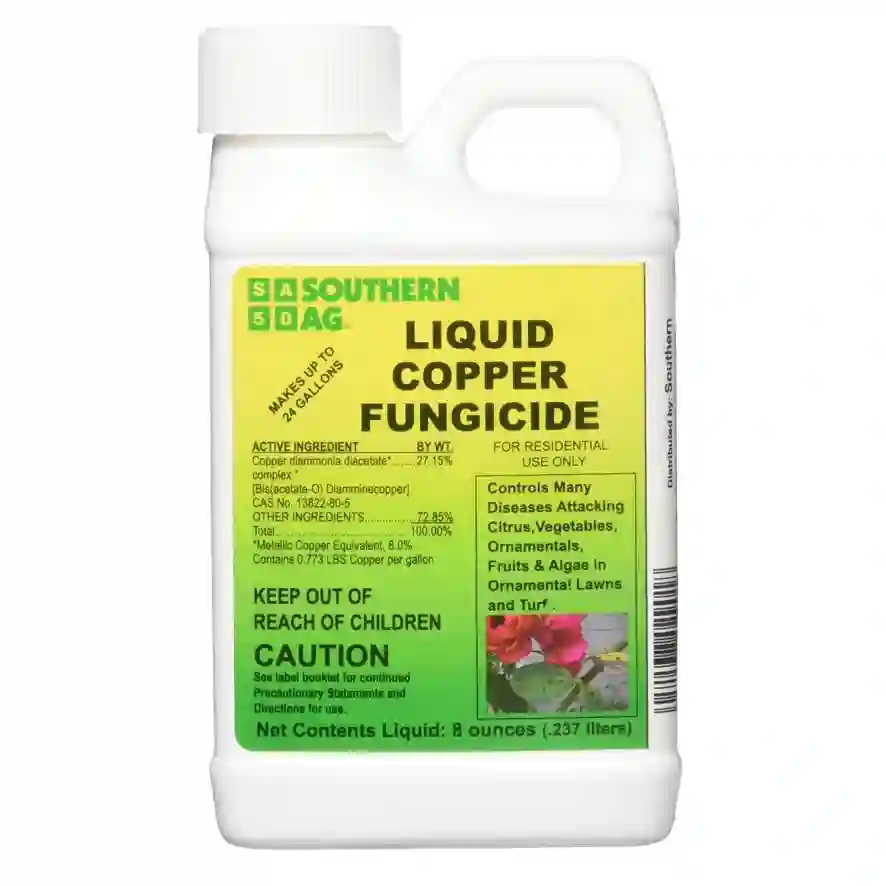
Copper-based fungicide - Curative and preventive

Copper-based fungicide - Curative and preventive

Effective against all types of fungi

Sponsored link

*Recommended treatments are still recommendations according to authority databases and in no way replace the guidelines established according to the legislation of each country.

*Products shown are recommendations and not our own products. As Amazon Associates, we earn revenue from purchases of recommended products.

1709890758673.png

TREATMENTS

Homemade remedies

BONE MEAL OR GROUND FISH SHELLS

RUSTY NAILS OR IRON SHAVINGS

BANANA PEELS

EPSOM SALTS (MAGNESIUM SULFATE)

SOLUTION WITH HOUSEHOLD BORAX

GROUND OR BOILED EGGSHELLS

COMPOST WITH ONION OR GARLIC SCRAPS

VEGETABLE COOKING WATER

WOOD ASH

WATER WITH VINEGAR OR LEMON (VERY DILUTED)

GARLIC INFUSION

USED COFFEE OR TEA

BANANA AND EGGSHELL INFUSION

POTATO OR LEGUME COOKING WATER

COMPOST FROM FRESH GREEN LEAVES

COMPOST OR WELL-AGED MANURE

DILUTED MILK (1:10)

BANANA TEA

LEAF COMPOST

NETTLE SLURRY

POTASSIUM SOAP AND NEEM OIL SOLUTION

POTASSIUM SOAP SOLUTION + NEEM OIL + DIATOMACEOUS EARTH

BAKING SODA AND NEUTRAL SOAP SOLUTION

GARLIC INFUSION WITH NEUTRAL SOAP

CHROMATIC OR ADHESIVE TRAPS

DILUTED MILK

HORSETAIL INFUSION

TRUNK WHITEWASHING

DIATOMACEOUS EARTH

WOOD ASH

NETTLE SLURRY

CUT THE AFFECTED BRANCHES AND APPLY CINNAMON

GARLIC AND CINNAMON INFUSION

INFUSION OF WORMWOOD, CHILI OR CHILLI

CLEAN THE AFFECTED AREA AND APPLY ASH PASTE WITH GARLIC OR CINNAMON

GARLIC AND MINT INFUSION

LIGHT TRAPS

APPLY CINNAMON POWDER

PITFALL TRAPS

CRUSHED EGG SHELLS

CLEAN AND SEAL THE WOUND WITH CLAY, CINNAMON AND GARLIC PASTE

GARLIC INFUSION

MATURE COMPOST

TRAPS WITH VINEGAR AND SOAP

SEAL HOLES WITH ASH PASTE AND CRUSHED GARLIC

VINEGAR AND BAKING SODA SOLUTION

ANT TRAP

TAPE TRAP

PHEROMONE TRAP

ALCOHOL TRAPS

FUNNEL TRAP

There are no home treatments

Natural allies

PREDATORY MITES

LADYBUGS

LACEWINGS

PARASITIC WASPS

HOVERFLIES OR PARASITIC FLIES

PREDATORY BUGS

There are no natural allies

Mycodiplosis oidii (predatory mosquito)

Chemical treatments

AGRICULTURAL SULFUR (POWDER OR SOLUBLE)

POTASSIUM FERTILIZERS

MAGNESIUM FERTILIZERS

BORON FERTILIZERS

CALCIUM FERTILIZERS

NITROGEN FERTILIZERS

PHOSPHORUS FERTILIZERS

IRON FERTILIZERS

SULFUR FERTILIZERS

NPK FERTILIZERS

There are no treatments for this disease. Treatments are directed at the insect vectors that transmit it. See insect treatments.

ABAMECTIN 0.0015% + PYRETHRINS 0.02%

RAPESEAL OIL

RAPESEAL OIL + PYRETHRINS

ORANGE OIL 6%

PARAFFIN OIL

ACETAMIPRID

ACETAMIPRID 0.005%

ACETAMIPRID 20%

SULFUR

COPPER 20%

COPPER 25%

COPPER 35%

COPPER 38%

COPPER 50%

COPPER 52%

DELTAMETHRIN 1.57%

DELTAMETHRIN 10%

DELTAMETHRIN 2.5%

DIFENOCONAZOLE 1.67%

ESFENVALERATE 2.5%

ESFENVALERATE 5%

100% GARLIC EXTRACT

PHENHEXAMIDE 50%

FLUPYRADIFURONE

FLUPIRADIFURONE 20%

FOSETIL-AL 80%

FERRIC PHOSPHATE

ALUMINUM PHOSPHIDE 56%

PHOSTIAZATE 10%

PHOSTIAZATE 15%

HEXITIAZOX 10%

POTASSIUM HYDROGEN CARBONATE

LAMBDA CYHALOTHRIN

LAMINARIN 4.5%

METALDEHYDE

PIRACLOSTROBIN 6.7% + BOSCALIDE 26.7%

PYRETHRINS

PYRIPROXIFEN 10%

POTASSIUM SALTS OF UNSATURATED FATTY ACIDS

SPINOSAD 0.024%

SPINOSAD 12%

SPINOSAD 48%

TAU-FLUVALINATE 24%

TETRACONAZOLE 10%

TETRACONAZOLE 12.5%

TETRACONAZOLE 4%

TRICHODERMA ASPERELLUM (STRAIN T34)

1709890758720.png

RECOMMENDATIONS

1714749024044.png

REPELLENT PLANTS

EFFECTIVE PRODUCTS TO ELIMINATE THIS DISEASE

Sponsored link

Your products closer to your customers

Your product

Your products closer to your customers

Sponsored link

Sponsored link

Sponsored link

Home treatment. Eco-friendly

Insecticidal soap

Home treatment. Eco-friendly

Sponsored link

Eco-friendly. Respectful of animals, the environment, and people.

Bacillus Thuringiensis BT Organic Worm & Caterpillar Control

Eco-friendly. Respectful of animals, the environment, and people.

Sponsored link

Non-Toxic. Reusable. For indoor and outside

Fruit fly traps

Non-Toxic. Reusable. For indoor and outside

Sponsored link

Granulated bait, attractive, safe and fast.

Treatment against snails and slugs

Granulated bait, attractive, safe and fast.

Sponsored link

Sponsored link

Sponsored link

Your products closer to your customers

Your product

Your products closer to your customers

Sponsored link

Sponsored link

Sponsored link

100% ecological fungicide

Natural Pesticide, Fungicide, Miticide, Insecticide, Spider Mites, Powdery Mildew, Botrytis and Mold

100% ecological fungicide

Sponsored link

Biological Pest Control for Fungus Gnats, Thrips, & Whiteflies

Nematodes - Biological Pest Control for Fungus Gnats, Thrips, & Whiteflies

Biological Pest Control for Fungus Gnats, Thrips, & Whiteflies

Sponsored link

Solar trap for outside

Light traps for insects

Solar trap for outside

Sponsored link

Sponsored link

Effective against all types of fungi

Effective against all types of fungi

Sponsored link

Tree protection. Easy to use.

Anti-ant adhesive tape

Tree protection. Easy to use.

Sponsored link

Your products closer to your customers

Your product

Your products closer to your customers

Sponsored link

Sponsored link

For orchards, terraces and flower pots.

Adhesive traps for insects

For orchards, terraces and flower pots.

Sponsored link

100% organic. For indoor and outdoor use

Insecticide, fungicide, acaricide and nematicide spraying

100% organic. For indoor and outdoor use

Sponsored link

Insect Barrier/Repellent

Lime for whitewashing

Insect Barrier/Repellent

Sponsored link

For outdoor and indoor use. Pet friendly

Fungus Gnat Killer & Bug Spray

For outdoor and indoor use. Pet friendly

Sponsored link

Sponsored link

Sponsored link

100% Natural. Soil Restorative

Mature compost. Worm castings

100% Natural. Soil Restorative

Sponsored link

Your products closer to your customers

Your product

Your products closer to your customers

Sponsored link

Sponsored link

Natural insecticide against insects

100% organic diatomaceous earth

Natural insecticide against insects

Sponsored link

Ideal for ornamentals, flowers and shrubs.

Beetle traps

Ideal for ornamentals, flowers and shrubs.

Sponsored link

Attracts and traps tomato moths

Trap for Tuta absoluta

Attracts and traps tomato moths

Sponsored link

Ideal for orchards, gardens and pots.

Snail and slug traps

Ideal for orchards, gardens and pots.

Sponsored link

Effective against all types of fungi

Copper-based fungicide - Curative and preventive

Effective against all types of fungi

Sponsored link

*Recommended treatments are still recommendations according to authority databases and in no way replace the guidelines established according to the legislation of each country.

*Products shown are recommendations and not our own products. As Amazon Associates, we earn revenue from purchases of recommended products.

project_20250513_2128439-03.jpg

Enjoy idMicrobe TOTALLY FREE, with no trial periods.

button_google_play_EN.png
boton_mobile_Version_EN.jpg

OTHER PESTS

Fruit with symptoms of calcium deficiency and developmental abnormalities

Calcium deficiency or blossom-end rot

Fruit affected by water stress with symptoms of dehydration and cracking

Water stress

Fruit affected by weevils with holes and surface damage

Weevils

Fruit affected by waterlogging with soft areas and rot

Watery fruits

Fruit affected by bacterial disease with spots and lesions on the surface

Bacterial infection

Fruit affected by fungi with spots, rot and mold

Mycosis

Fruit with symptoms of boron deficiency and developmental deformities

Boron Deficiency

Fruit with sunburn and areas damaged by excessive sun exposure

Excessive sun

Fruit damaged by snails and slugs with bites and eroded areas

Snails and/or slugs

Fruit affected by powdery mildew with spots and presence of white powder

Powdery mildew

Fruit affected by downy mildew with spots and damaged areas

Mildew

Fruit affected by Alternaria with dark spots and areas of rot

Alternaria

Fruit with symptoms of potassium deficiency and ripening disorders

Potassium Deficiency

Fruit affected by monilia with brown spots and rot

Moniliosis or brown rot

Fruit affected by Botrytis with rot and gray mold

Botrytis or gray mold

Fruit affected by bed bugs with bites and spots on the surface

Bed bugs

Fruit damaged by beetles with holes and bites on the surface

Beetles

Fruit affected by anthracnose with dark spots and sunken lesions

Anthracnose

bottom of page