


Symptoms, treatments and recommendations for treating red spider mites
Red Spider
Tetranycus Urticae
Pathogen:
Type:
Insect
Risk:
HIGH
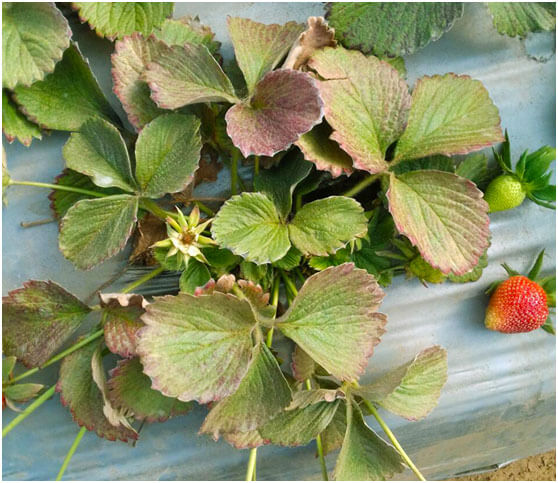
Berries
Araña roja

WHO CAUSES IT?
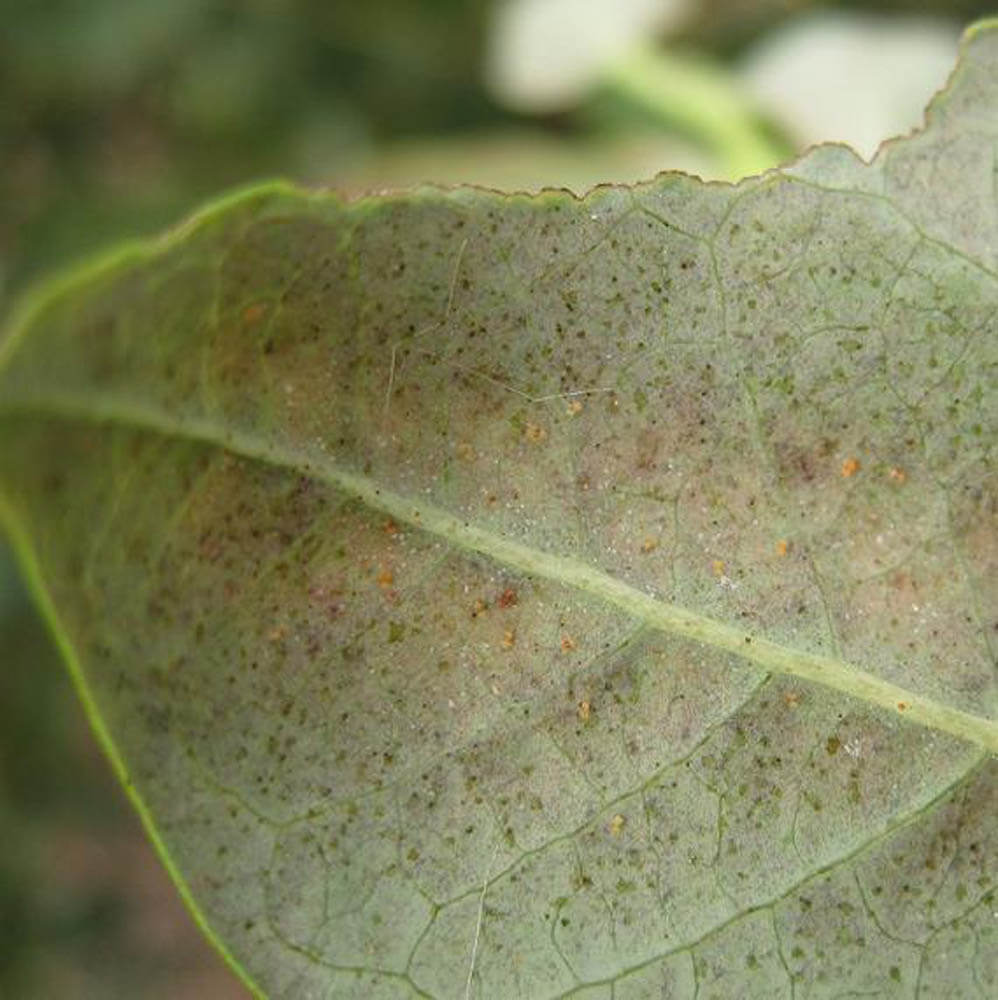
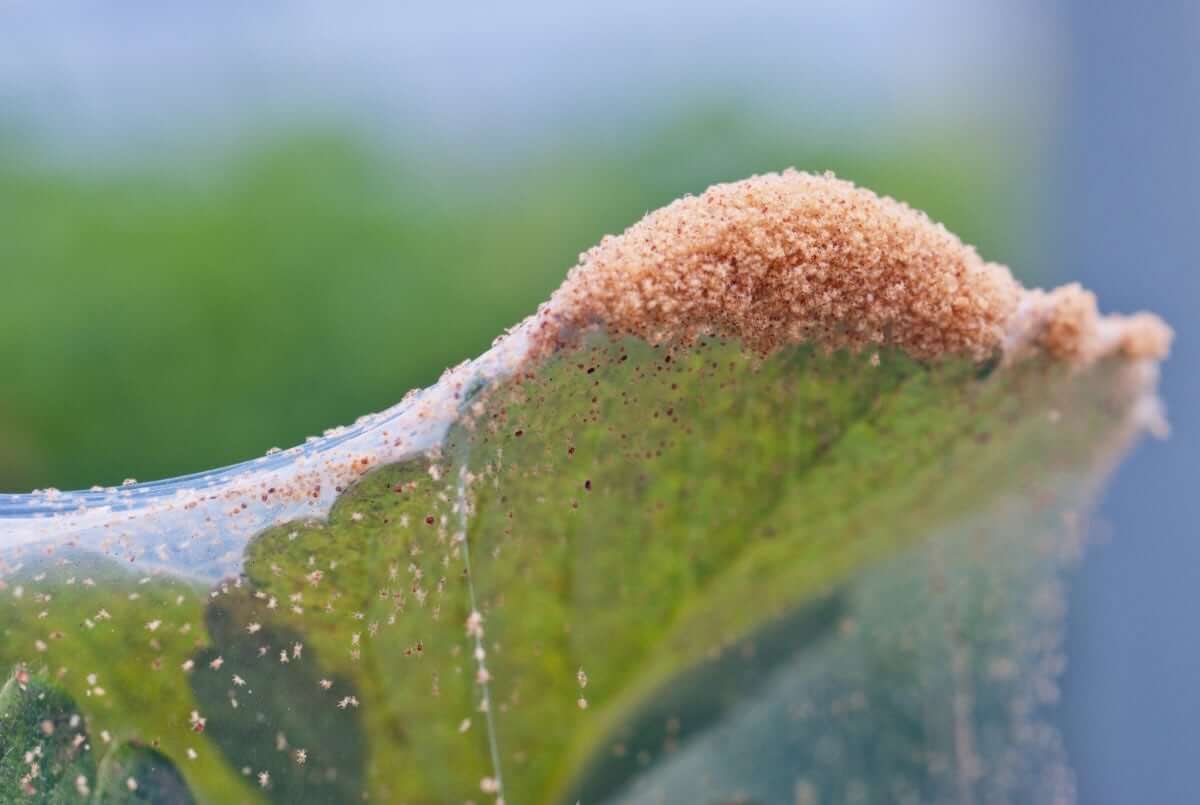
Tetranychus urticae, commonly known as the red spider, is a small phytophagous mite that affects a wide range of plants. Adult females are red to orange in color, while males are smaller and lighter in color. This mite goes through several stages of development: egg, larva, protonymph, deutonymph and adult. The eggs are spherical and translucent, laid on the underside of the leaves. The larvae emerge and feed on plant cells, causing damage to the plants. Nymphs also actively feed before becoming reproductive adults. Tetranychus urticae reproduces rapidly in hot, dry conditions, with each female laying up to 200 eggs in her lifetime. Its ability to disperse through the wind and through physical contact with plants, animals or agricultural tools facilitates its spread in crops.

SYMPTOMS
The spider mite produces a disease known as berry spider mite, which is characterized by extensive damage to the leaves and fruits. Mites pierce leaf cells to feed on their contents, resulting in discoloration and deterioration of the plant.
- Leaves with yellowish Taches and dotted appearance.
- Generalized discoloration of the leaves, turning yellow or tan.
- Fine cobwebs on the surface of the leaves and between the stems.
- Reduction in the size and quality of the fruits.
- Premature fall of leaves and fruits.
- Wilting and general weakening of plants.
- Delay in the growth and development of new leaves and fruits.


TEMPERATURE AND HUMIDITY
25°C - 30°C
40% - 60%

TRANSMISSION ROUTES
Wind, contact with infested plants, animals, contaminated agricultural tools
Do you want to remove this disease? Choose how you want to treat it.

TREATMENTS
Chemical treatments
• RAPE OIL 1.53% [AL] P/V
• RAPE OIL 848.24 g/l [EC] P/V
• ORANGE OIL 60g/L [ME] P/S
• PARAFFIN OIL (CAS [8042-47-5]) 54.6% [EW] P/V
• PARAFFIN OIL (CAS [97862-82-3]) 80% [EC] P/V
• SULFUR 70% [SC] P/V
• SULFUR 72% [SC] P/V
• SULFUR 80% [SC] P/V
• SULFUR 80% [WG] P/P
• PHENPIROXIMATE 5.12% [SC] P/V
• MILBEMECTIN 0.93% [EC] P/V
Authorized treatments in organic farming
• RAPE OIL 1.53% [AL] P/V
• RAPE OIL 848.24 g/l [EC] P/V
• ORANGE OIL 60g/L [ME] P/S
• PARAFFIN OIL (CAS [8042-47-5]) 54.6% [EW] P/V
• PARAFFIN OIL (CAS [97862-82-3]) 80% [EC] P/V
• SULFUR 70% [SC] P/V
• SULFUR 72% [SC] P/V
• SULFUR 80% [SC] P/V
• SULFUR 80% [WG] P/P
Biological control
• AMBLYSEIUS ANDERSONI (parasitoid and predatory mites)
• BEAUVERIA BASSIANA (STRAIN ATCC 74040) 2.3% (2.3X10E7 VIABLE SPORES/ML) [OD] P/V
• BEAUVERIA BASSIANA (GHA STRAIN) 10.7% (2.26X10E13 CONIDIAS/L) [OD] P/V
• BEAUVERIA BASSIANA (GHA STRAIN) 22% (4.4 x 10E10 CONIDIAS/G) [WP] P/P
• NEOSEIULUS CALIFORNICUS (parasitoid and predatory mites)
• PHYTOSEIULUS PERSIMILIS (parasitoid and predatory mites)
Recommendations
- Implement crop rotations to avoid the accumulation of mites in the soil.
- Use berry varieties resistant to Tetranychus urticae.
- Maintain good hygiene in the field, eliminating plant remains and waste.
- Regularly monitor plants to detect the presence of mites early.
- Apply specific acaricides in the first phases of infestation, following product rotation recommendations.
- Promote the presence of natural enemies such as predatory mites and lacewings.
- Avoid excessive use of nitrogen fertilizers, as they can encourage the growth of mites.
- Water properly to maintain soil moisture and reduce plant stress.
- Use ground covers to minimize dust and avoid dry conditions.





*Recommended treatments are still recommendations according to authority databases and in no way replace the guidelines established according to the legislation of each country.
*Products shown are recommendations and not our own products. As Amazon Associates, we earn revenue from purchases of recommended products.

TREATMENTS
Homemade remedies
There are no home treatments
Natural allies
Chemical treatments
There are no treatments for this disease. Treatments are directed at the insect vectors that transmit it. See insect treatments.

RECOMMENDATIONS

REPELLENT PLANTS
EFFECTIVE PRODUCTS TO ELIMINATE THIS DISEASE
*Recommended treatments are still recommendations according to authority databases and in no way replace the guidelines established according to the legislation of each country.
*Products shown are recommendations and not our own products. As Amazon Associates, we earn revenue from purchases of recommended products.



Explore more tools
Services
Contact
Legal
©2023 por ZeriMar Laboratoire. Todos os direitos reservados.