


Symptoms, treatments and recommendations for treating borer
Borer
Hipoborus Ficus
Pathogen:
Type:
Insect
Risk:
HIGH
Higo o higuera
Barrenadores

WHO CAUSES IT?
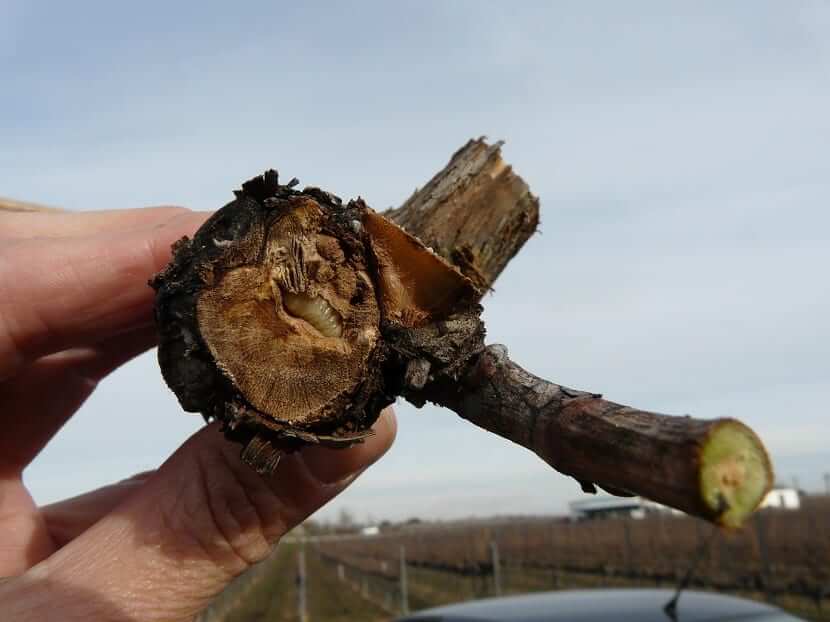
Hipoborus ficus, commonly known as the borer, is a small, elongated beetle that mainly affects figs and fig trees. Adults are dark brown and measure between 2 and 3 mm in length. Females pierce the bark of trees to lay their eggs in galleries created in the wood. Larvae emerge from these eggs and feed on the internal tissue, excavating tunnels as they develop. The larvae go through several stages before pupating within the galleries. Once they complete their development, they emerge as adults and the cycle begins again. This process can take several weeks to months, depending on environmental conditions such as temperature and the availability of suitable hosts.

SYMPTOMS
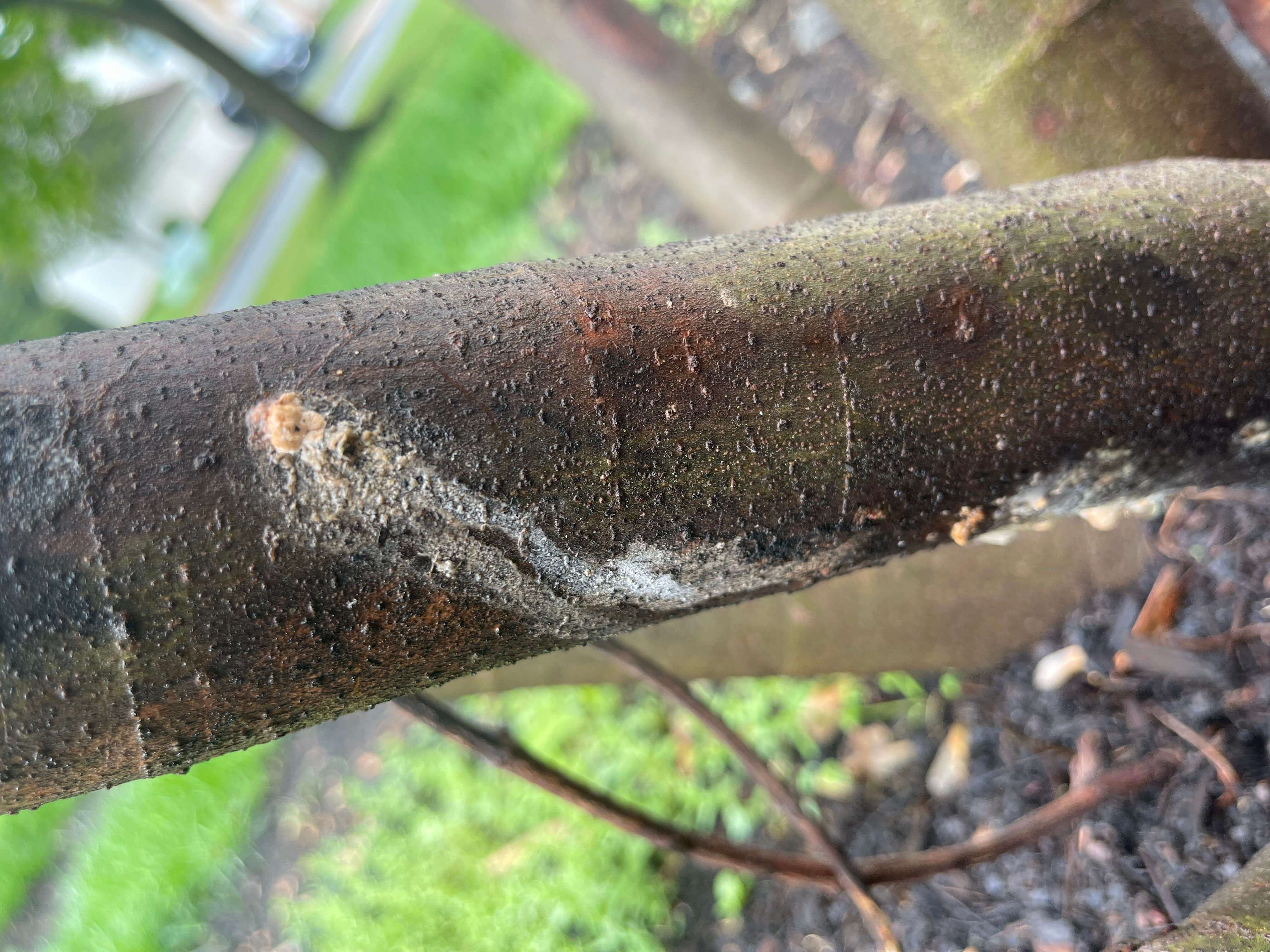
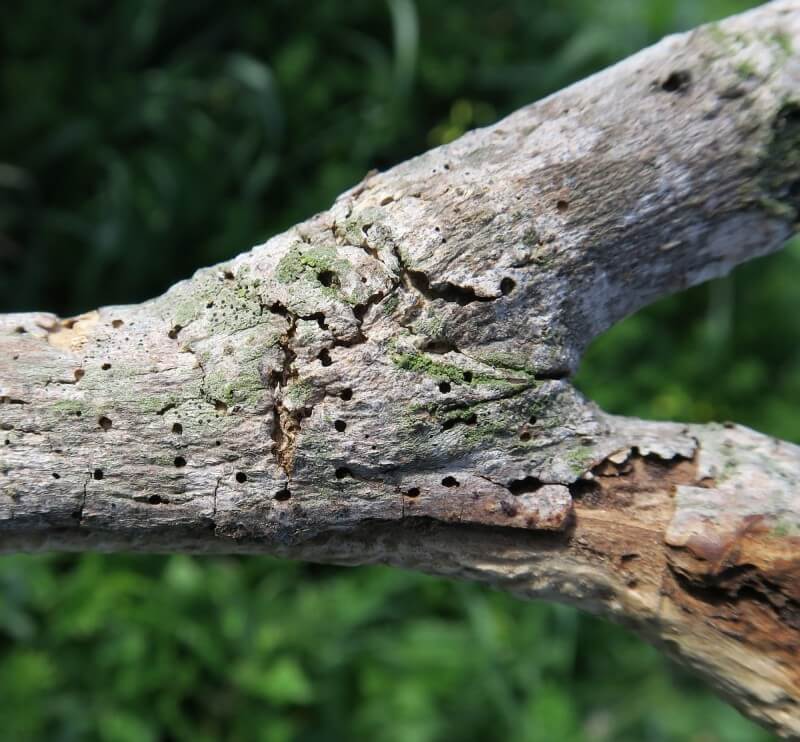
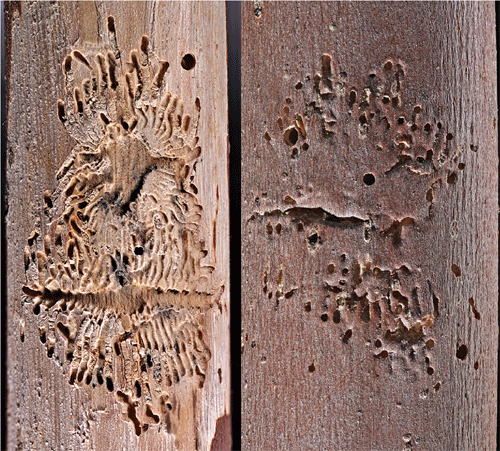
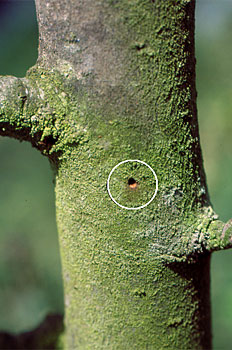
Borer disease caused by Hipoborus ficus in fig trees results in significant deterioration in the health and productivity of the tree. Larval activity within the wood weakens the structure of the tree and can disrupt the flow of nutrients and water, leading to overall plant decline. In addition, open wounds caused by the entry and exit of beetles facilitate the entry of other pathogens.
- Appearance of small holes in the bark.
- Presence of fine sawdust at the base of the tree or in the cracks of the bark.
- Withering of branches and leaves.
- Loss of general vigor of the tree.
- Regressive death of affected branches.
- Presence of tunnels and galleries in the internal wood.


TEMPERATURE AND HUMIDITY
20-30 °C
60-80 %

TRANSMISSION ROUTES
Infected wood, contaminated tools, wind, earth movement, direct contact between plants
Do you want to remove this disease? Choose how you want to treat it.

TREATMENTS
Chemical treatments
• RAPE OIL 70% + PYRETHRINS 0.7% [EC] P/V
• ORANGE OIL 60g/L [ME] P/S
• LAMBDA CYHALOTHRIN 1.5% [CS] P/V
• LAMBDA CYHALOTHRIN 10% [CS] P/V
• LAMBDA CYHALOTHRIN 5% [EG] P/P
• PYRETHRINS 18.61 g/L [EC] P/V
• SPINOSAD 48% [SC] P/V
Authorized treatments in organic farming
• RAPE OIL 70% + PYRETHRINS 0.7% [EC] P/V
• ORANGE OIL 60g/L [ME] P/S
• LAMBDA CYHALOTHRIN 1.5% [CS] P/V
• LAMBDA CYHALOTHRIN 10% [CS] P/V
• LAMBDA CYHALOTHRIN 5% [EG] P/P
• PYRETHRINS 18.61 g/L [EC] P/V
• SPINOSAD 48% [SC] P/V
Biological control
• STEINERNEMA CARPOCAPSAE (Parasitoid and predatory nematodes)
• STEINERNEMA FELTIAE (Parasitoid and predatory nematodes)
Recommendations
- Regularly monitor trees for signs of infestation.
- Carry out sanitary pruning, eliminating and destroying the affected parts.
- Use specific traps to capture adults and reduce the population.
- Apply insecticide treatments preventively and when the first signs of infestation are detected.
- Implement cultural measures such as improving soil drainage and adequate fertilization to strengthen trees.
- Avoid water stress and other factors that weaken trees.
- Maintain a clean environment around the crop, eliminating wood remains and other debris that could serve as a refuge for beetles.





*Recommended treatments are still recommendations according to authority databases and in no way replace the guidelines established according to the legislation of each country.
*Products shown are recommendations and not our own products. As Amazon Associates, we earn revenue from purchases of recommended products.

TREATMENTS
Homemade remedies
There are no home treatments
Natural allies
Chemical treatments
There are no treatments for this disease. Treatments are directed at the insect vectors that transmit it. See insect treatments.

RECOMMENDATIONS

REPELLENT PLANTS
EFFECTIVE PRODUCTS TO ELIMINATE THIS DISEASE
*Recommended treatments are still recommendations according to authority databases and in no way replace the guidelines established according to the legislation of each country.
*Products shown are recommendations and not our own products. As Amazon Associates, we earn revenue from purchases of recommended products.



Explore more tools
Services
Contact
Legal
©2023 por ZeriMar Laboratoire. Todos os direitos reservados.