


Symptoms, treatments, and recommendations for treating gray mold
Gray Rot
Botrytis Cinerea
Pathogen:
Type:
Fungus
Risk:
HIGH
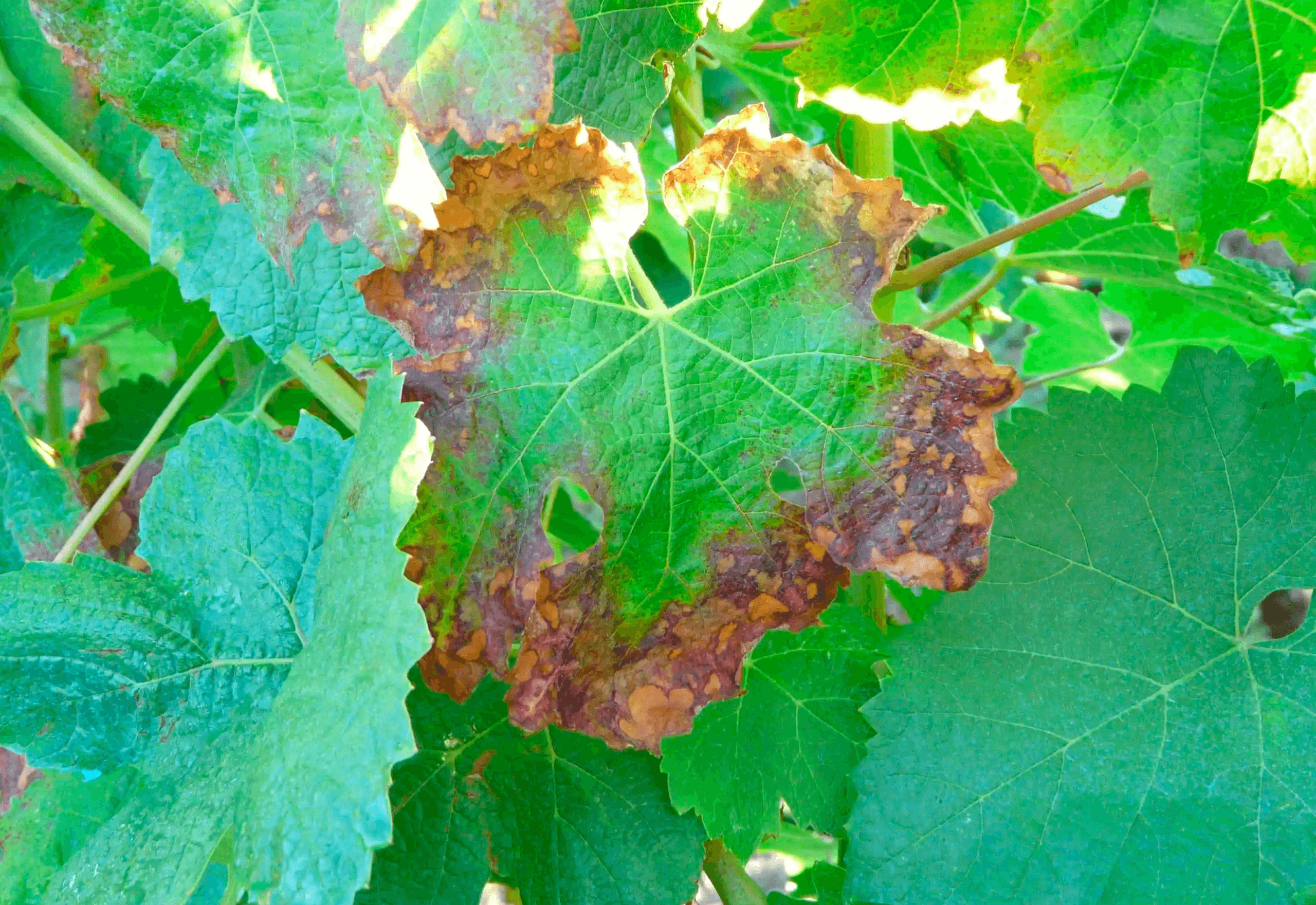
Vid de vinificación
Podredumbre gris

WHO CAUSES IT?
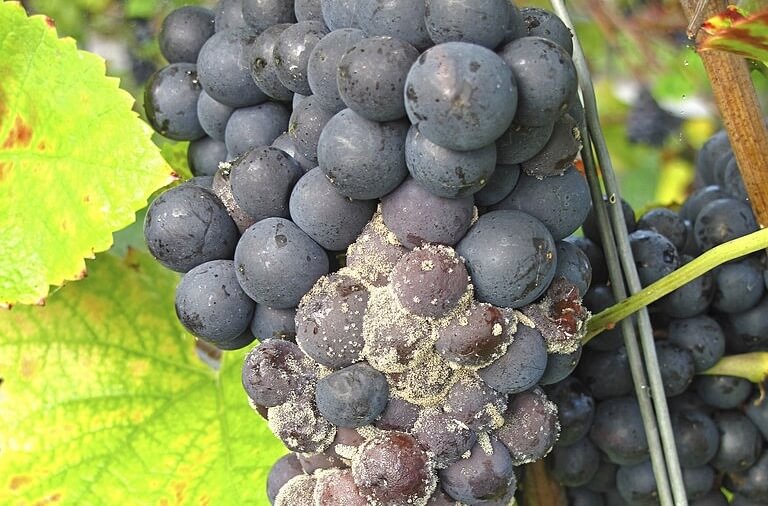
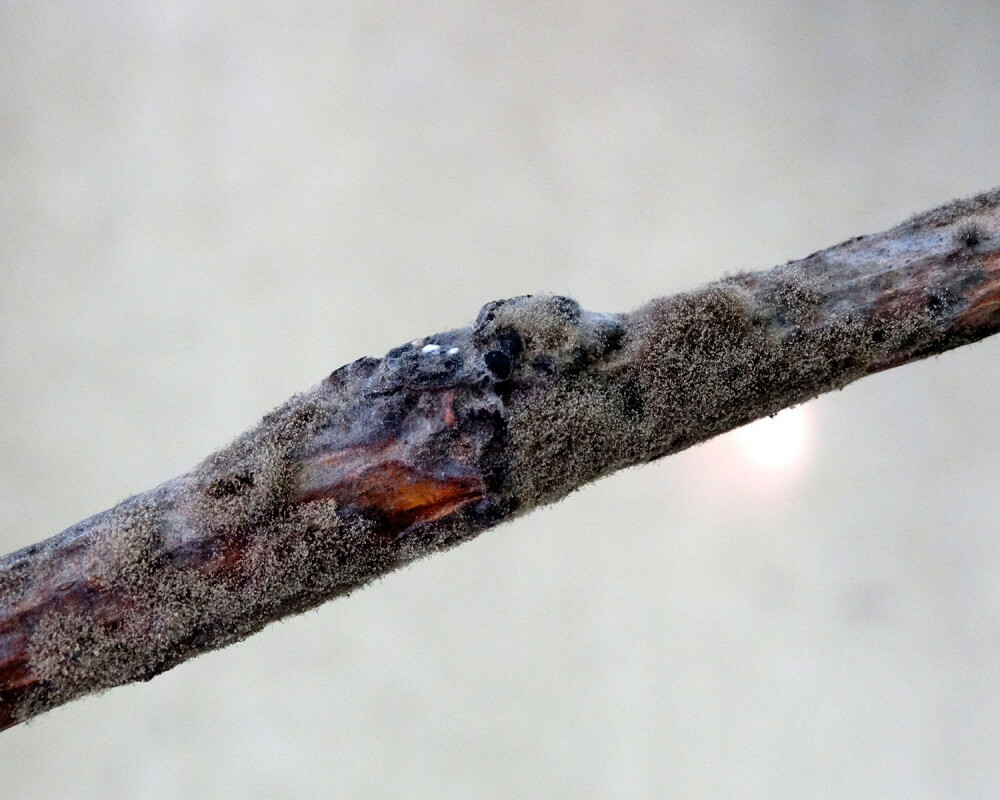
Botrytis cinerea is a filamentous fungus that causes the disease known as gray rot in a wide variety of plants, including crops, flowers and fruit trees. It is a very destructive pathogen that can attack healthy and injured plant tissues, both in field and greenhouse conditions. This fungus spreads rapidly in cool, humid environments, and is capable of surviving for long periods in plant debris, soil, and in storage conditions.

SYMPTOMS
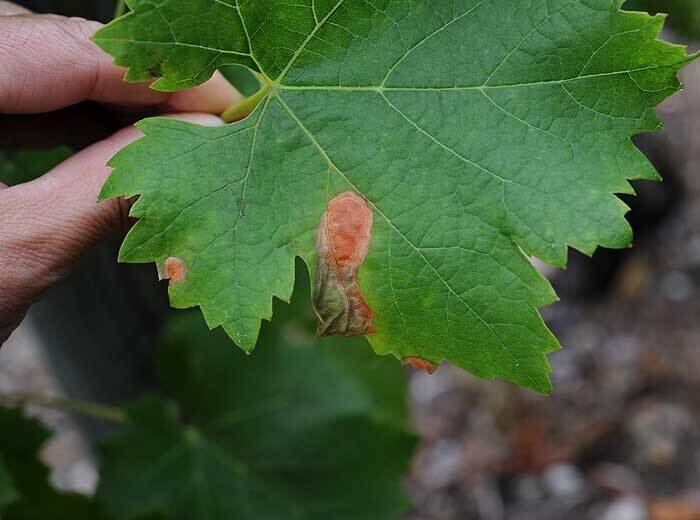
On grapevines, Botrytis cinerea can cause a disease known as grape gray rot. Symptoms include the formation of watery Taches on the surface of the berries, which are subsequently covered with grayish mold. As the infection progresses, the berries become soft, wrinkled and eventually disintegrate, leading to loss of harvest and wine quality.


TEMPERATURE AND HUMIDITY
15°C - 20°C
90% - 100%

TRANSMISSION ROUTES
Air, rainwater, direct contact with infected plants, contaminated soil, contaminated growing tools, infected plant material, and spread through spores produced by the fungus.
Do you want to remove this disease? Choose how you want to treat it.

TREATMENTS
Chemical treatments
• AZOXISTROBIN 25% [SC] P/V
• BOSCALIDA 50% [WG] P/P
• CYMOXANIL 4% + FOLPET 33.4% [SC] P/V
• CIPRODINIL 18.75% + TEBUCONAZOLE 12.5% [EC] P/V
• CIPRODINIL 30% [EC] P/V
• CIPRODINIL 37.5% + FLUDIOXONIL 25% [WG] P/P
• DIFENOCONAZOLE 25% [EC] P/V
• EUGENOL 3.3% + GERANIOL 6.6% + THYMOL 6.6% [CS] P/V
• PHENHEXAMIDE 50% [SC] P/V
• PHENHEXAMIDE 50% [WG] P/P
• PHENPIRAZAMINE 50% [WG] P/P
• FLUDIOXONIL 50% [WG] P/P
• FLUOPYRAM 20% + TEBUCONAZOLE 20% [SC] P/V
• FLUOPYRAM 50% [SC] P/V
• FOLPET 50% [SC] P/V
• FOLPET 50% [WP] P/P
• FOLPET 80% [WG] P/P
• POTASSIUM PHOSPHONATES 50.4% (exp. as phosphorous acid) [SL] P/V
• POTASSIUM HYDROGEN CARBONATE 0.425% [AL] P/V
• POTASSIUM HYDROGEN CARBONATE 85% [SP] P/P
• ISOFETAMID 40% [SC] P/V
• LAMINARIN 4.5% [SL] P/S
• MEPANIPIRIM 50% [WP] P/P
• COPPER OXYCHLORIDE 35% (exp. in Cu) [WG] P/P
• TEBUCONAZOLE 20% [EC] P/V
• TEBUCONAZOLE 20% [EW] P/V
• TEBUCONAZOLE 25% [EC] P/V
• TEBUCONAZOLE 25% [EW] P/V
• TEBUCONAZOLE 25% [WG] P/P
• TEBUCONAZOLE 50% + TRIFLOXISTROBIN 25% [WG] P/P
Authorized treatments in organic farming
• EUGENOL 3.3% + GERANIOL 6.6% + THYMOL 6.6% [CS] P/V
• POTASSIUM HYDROGEN CARBONATE 0.425% [AL] P/V
• POTASSIUM HYDROGEN CARBONATE 85% [SP] P/P
• LAMINARIN 4.5% [SL] P/S
• COPPER OXYCHLORIDE 35% (exp. in Cu) [WG] P/P
Biological control
• AUREOBASIDIUM PULLULANS (STRAIN DSM 14940) 50% (2.5
• BACILLUS AMYLOLIQUEFACIENS (strain AH2) (1x10E11 CFU/l) [SC] P/V
• BACILLUS AMYLOLIQUEFACIENS (strain FZB24) 13% [WP] P/P
• BACILLUS AMYLOLIQUEFACIENS (MBI 600 strain) 11% [WP] P/P
• BACILLUS AMYLOLIQUEFACIENS (subsp. plantarum, strain D747) 25% [WG] P/P
• BACILLUS SUBTILIS (strain IAB/BS03) (1 x 10E8 cfu/ml) 10 g/l [SL] P/V
• BACILLUS SUBTILIS (STRAIN QST 713) 1.34% [SC] P/V
• PYTHIUM OLIGANDRUM (strain M1) 17.5% [WP] P/P
• SACCHAROMYCES CEREVISIAE (strain LAS02) 96.1% (1 x 10E13 cfu/Kg) [WG] P/P
• Trichoderma atroviride strain SC1 1(1 x 10E10 cfu)/g [WG] P/P
Recommendations
To prevent and control gray rot caused by Botrytis cinerea in grapevines, it is essential to implement a series of integrated management measures. These may include appropriate pruning to improve air circulation and reduce humidity, weed control and removal of crop debris. Additionally, preventative fungicides can be applied in a timely manner, especially during periods of high humidity and rain.





*Recommended treatments are still recommendations according to authority databases and in no way replace the guidelines established according to the legislation of each country.
*Products shown are recommendations and not our own products. As Amazon Associates, we earn revenue from purchases of recommended products.

TREATMENTS
Homemade remedies
There are no home treatments
Natural allies
Chemical treatments
There are no treatments for this disease. Treatments are directed at the insect vectors that transmit it. See insect treatments.

RECOMMENDATIONS

REPELLENT PLANTS
EFFECTIVE PRODUCTS TO ELIMINATE THIS DISEASE
*Recommended treatments are still recommendations according to authority databases and in no way replace the guidelines established according to the legislation of each country.
*Products shown are recommendations and not our own products. As Amazon Associates, we earn revenue from purchases of recommended products.



Explore more tools
Services
Contact
Legal
©2023 por ZeriMar Laboratoire. Todos os direitos reservados.