


Symptoms, treatments, and recommendations for treating cladosporiosis
Cladosporiosis
Cladosporium Cucumerinum
Pathogen:
Type:
Fungus
Risk:
INTERMEDIATE

Melón
Micosis/Hongos


WHO CAUSES IT?
Cladosporiosis (Cladosporium cucumerinum) is a fungal disease caused by the fungus Cladosporium cucumerinum. This pathogen mainly affects cucurbits, such as cucumbers, pumpkins, melons and zucchini. It has a wide geographical distribution and can cause significant losses in the production of cucurbit crops worldwide.

SYMPTOMS
The disease manifests itself in affected plants by the presence of circular or irregular necrotic Taches on the leaves, stems and fruits. These Taches are usually dark brown and may be surrounded by a yellowish halo. As the disease progresses, affected leaves may wilt and drop prematurely, reducing the plant's ability to photosynthesize and produce quality fruit.


TEMPERATURE AND HUMIDITY
20°C - 25°C
70% - 90%

TRANSMISSION ROUTES
Direct contact with infected plants, the spread of spores through wind, contaminated irrigation water and spread through agricultural tools and work equipment.
Do you want to remove this disease? Choose how you want to treat it.

TREATMENTS
Chemical treatments
• AZOXISTROBIN 20% + DIFENOCONAZOLE 12.5% [SC] P/V
• AZOXISTROBIN 25% [SC] P/V
• DIFENOCONAZOLE 12.5% + CYFLUFENAMIDE 1.5% [DC] P/V
• TEBUCONAZOLE 20% [EW] P/V
• TEBUCONAZOLE 25% [EC] P/V
• TEBUCONAZOLE 25% [EW] P/V
• TEBUCONAZOLE 25% [WG] P/P
• TETRACONAZOLE 10% [EC] P/V
• TETRACONAZOLE 12.5% [ME] P/V
• TETRACONAZOLE 4% [ME] P/V
Authorized treatments in organic farming
-
Biological control
-
Recommendations
To prevent and control cladosporiosis, it is essential to implement integrated pest management practices. Recommended measures include crop rotation, removal of infected plant debris, use of resistant varieties, weed control, and application of preventive fungicides. In addition, it is important to maintain adequate ventilation in greenhouses and avoid excess humidity in the environment.

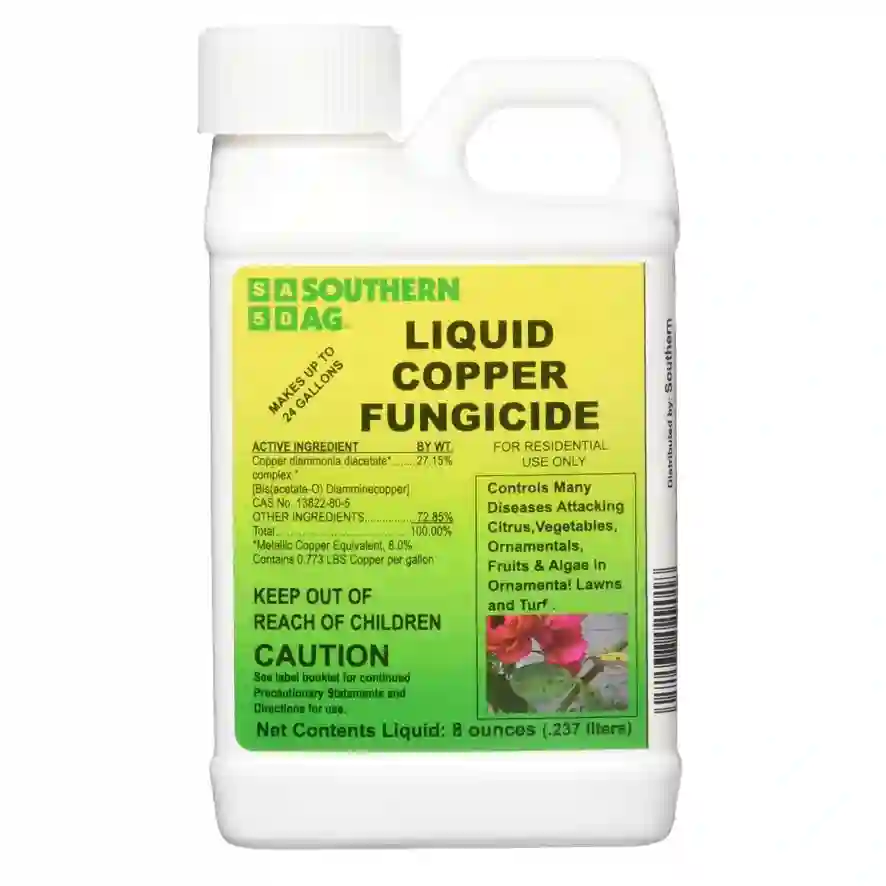


*Recommended treatments are still recommendations according to authority databases and in no way replace the guidelines established according to the legislation of each country.
*Products shown are recommendations and not our own products. As Amazon Associates, we earn revenue from purchases of recommended products.

TREATMENTS
Homemade remedies
There are no home treatments
Natural allies
Chemical treatments
There are no treatments for this disease. Treatments are directed at the insect vectors that transmit it. See insect treatments.

RECOMMENDATIONS

REPELLENT PLANTS
EFFECTIVE PRODUCTS TO ELIMINATE THIS DISEASE
*Recommended treatments are still recommendations according to authority databases and in no way replace the guidelines established according to the legislation of each country.
*Products shown are recommendations and not our own products. As Amazon Associates, we earn revenue from purchases of recommended products.



Explore more tools
Services
Contact
Legal
©2023 por ZeriMar Laboratoire. Todos os direitos reservados.