


Symptoms, treatments and recommendations for treating leaf decline or leaf spot
Leaf Decline Or Spot
Curvularia Sp.
Pathogen:
Type:
Fungus
Risk:
INTERMEDIATE
Cesped
Micosis/Hongos

WHO CAUSES IT?
Curvularia sp. It is a phytopathogenic fungus that affects a variety of crops, including grass, causing diseases such as leaf dieback or leaf spot. The fungus produces spores (conidia) that spread through the air, infecting new plants when they find favorable conditions. The spores germinate on leaves and other tissues, causing lesions and necrosis. The fungus can survive in plant debris and soil for long periods, and thrives best in warm, humid conditions.

SYMPTOMS
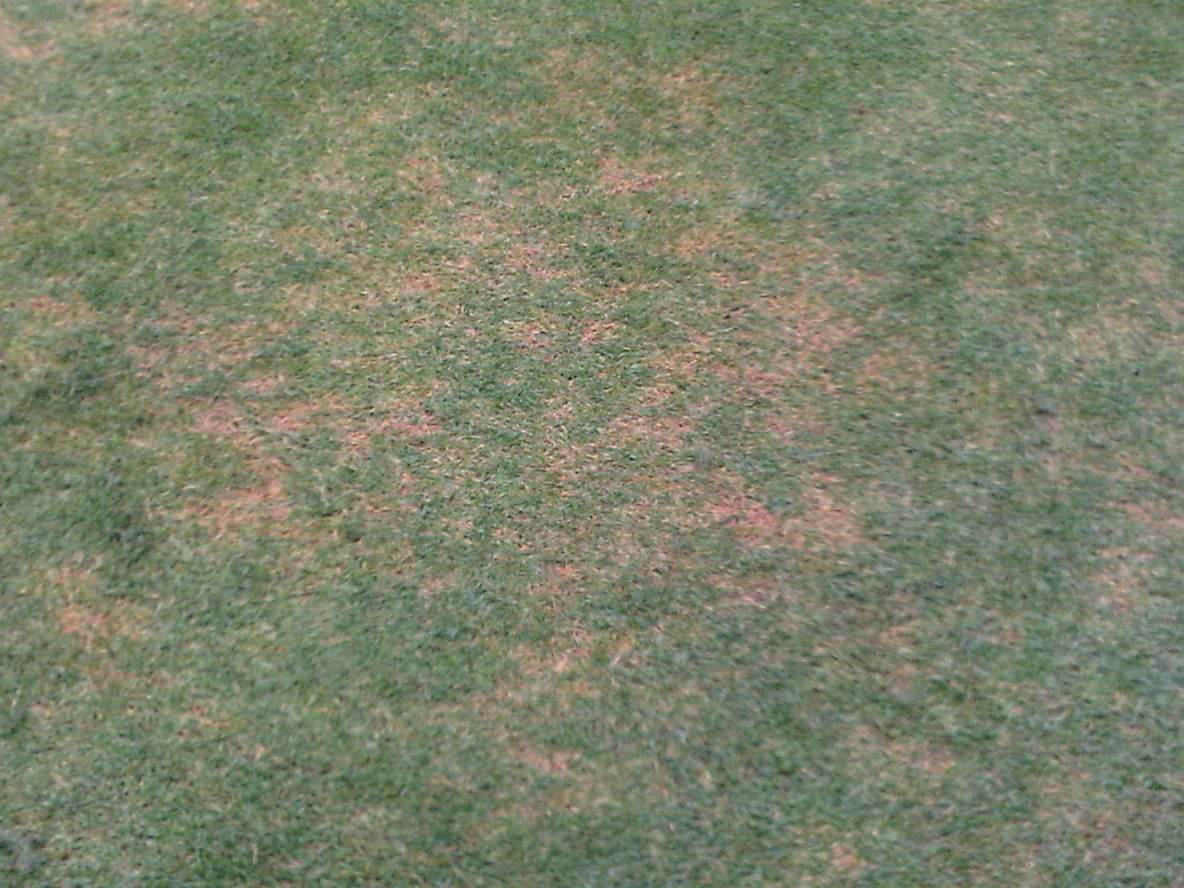
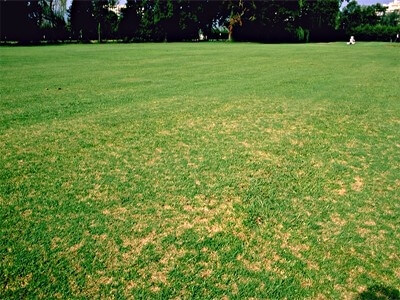
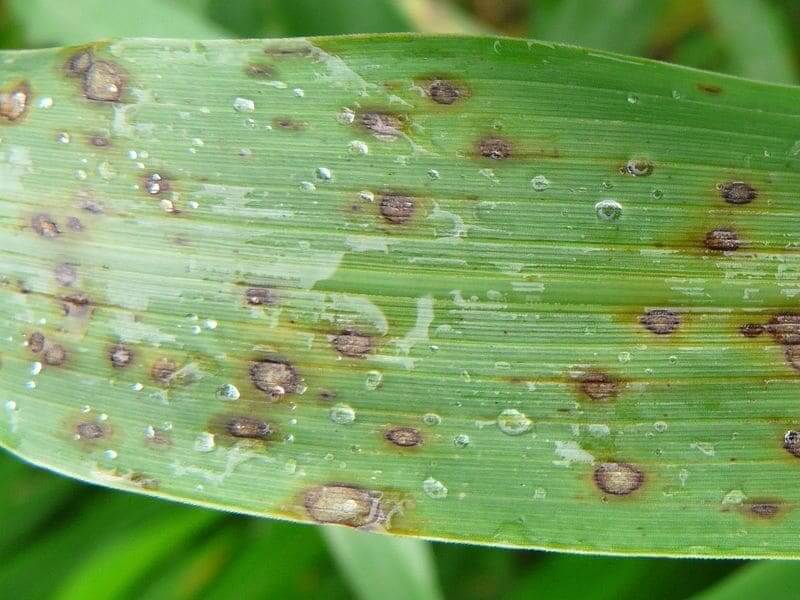
Leaf decline or spot caused by Curvularia sp. In grass it manifests itself with the appearance of dark or brown Taches on the leaves, which can expand and cause the decay of the grass. The fungus can weaken the grass and make it susceptible to other diseases and pests.
• Dark or brown Taches on grass blades.
• Lesions that can expand and cause necrosis in the grass.
• General decay and weakening of the grass.
• Can cause an unattractive lawn and reduce its vigor.


TEMPERATURE AND HUMIDITY
20°C - 30°C
70% - 90%

TRANSMISSION ROUTES
Air, water, infected plant remains.
Do you want to remove this disease? Choose how you want to treat it.

TREATMENTS
Chemical treatments
• FOSETIL-AL 60% [WG] P/P
• FOSETIL-AL 80% [WG] P/P
Authorized treatments in organic farming
-
Biological control
• TRICHODERMA ASPERELLUM (SCEA TV-1) 2.8% (1 X 10E10 CFU/KG) [WP] P/P
Recommendations
• Maintain good ventilation and air circulation on the lawn to reduce humidity.
• Practice good irrigation management to avoid excess water on the lawn.
• Improve soil drainage to prevent waterlogging.
• Apply specific fungicides following local recommendations.
• Remove and destroy infected areas of grass and plant debris.
• Carry out a regular monitoring program to detect and treat the infection early.





*Recommended treatments are still recommendations according to authority databases and in no way replace the guidelines established according to the legislation of each country.
*Products shown are recommendations and not our own products. As Amazon Associates, we earn revenue from purchases of recommended products.

TREATMENTS
Homemade remedies
There are no home treatments
Natural allies
Chemical treatments
There are no treatments for this disease. Treatments are directed at the insect vectors that transmit it. See insect treatments.

RECOMMENDATIONS

REPELLENT PLANTS
EFFECTIVE PRODUCTS TO ELIMINATE THIS DISEASE
*Recommended treatments are still recommendations according to authority databases and in no way replace the guidelines established according to the legislation of each country.
*Products shown are recommendations and not our own products. As Amazon Associates, we earn revenue from purchases of recommended products.



Explore more tools
Services
Contact
Legal
©2023 por ZeriMar Laboratoire. Todos os direitos reservados.