


Symptoms, treatments, and recommendations for treating leafhoppers
Chichcarritas, Leafhoppers Or Leafhoppers
Empoasca Sp.
Pathogen:
Type:
Insect
Risk:
INTERMEDIATE
Vid
Mosquito verde

WHO CAUSES IT?
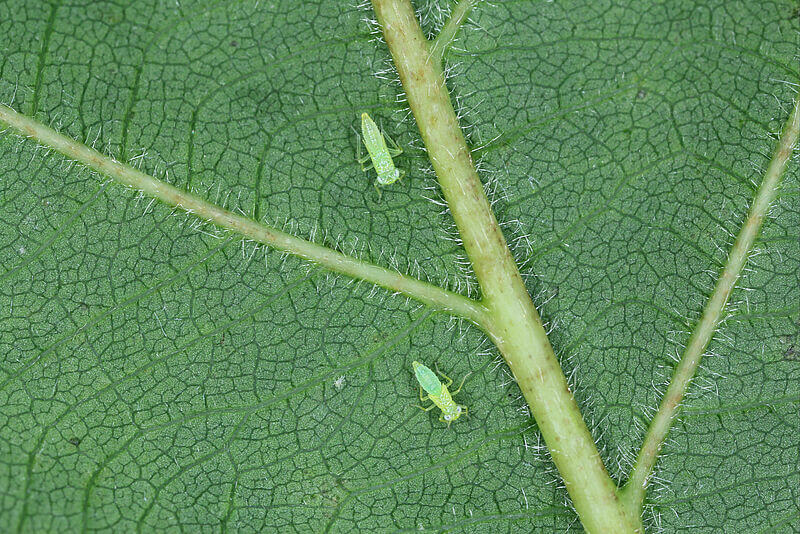
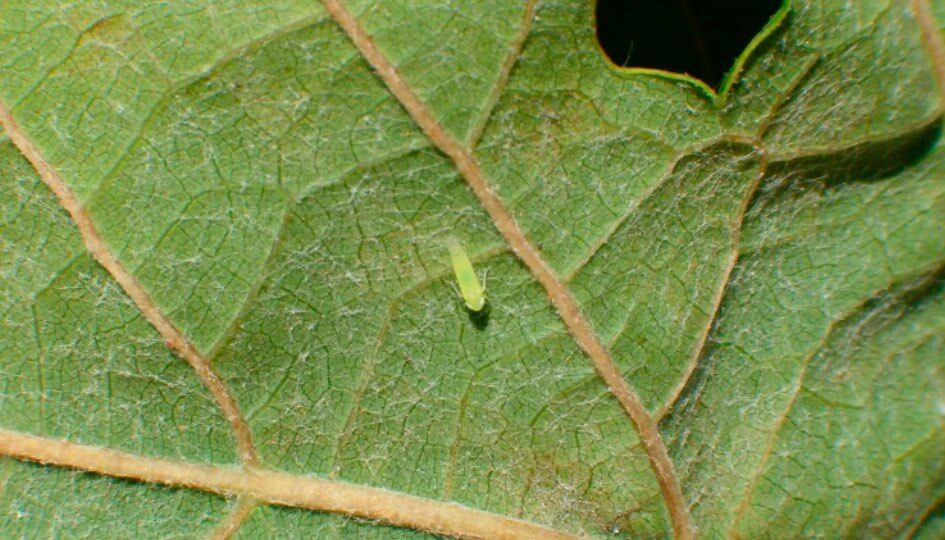
Empoasca sp. is a genus of hemipteran insects belonging to the family Cicadellidae, commonly known as leafhoppers or leafhoppers. These small insects are light green in color and have an average size of 3 mm. Adults and nymphs feed on plant sap, piercing the tissues with their sucking mouthparts. The cycle of these insects begins when the females lay eggs in plant tissues, preferably in the veins of the leaves. These eggs hatch after a few days, releasing nymphs that go through several molts before becoming adults. The nymphs develop quickly, being able to reach the adult stage in less than two weeks under favorable conditions. Adults are highly mobile, being able to jump and fly from plant to plant. Its reproduction is prolific, facilitating the establishment of several generations during the growing season, especially in warm climates. Empoasca sp. It is particularly active in the warmer months, when temperatures are conducive to its reproduction and dispersal.

SYMPTOMS
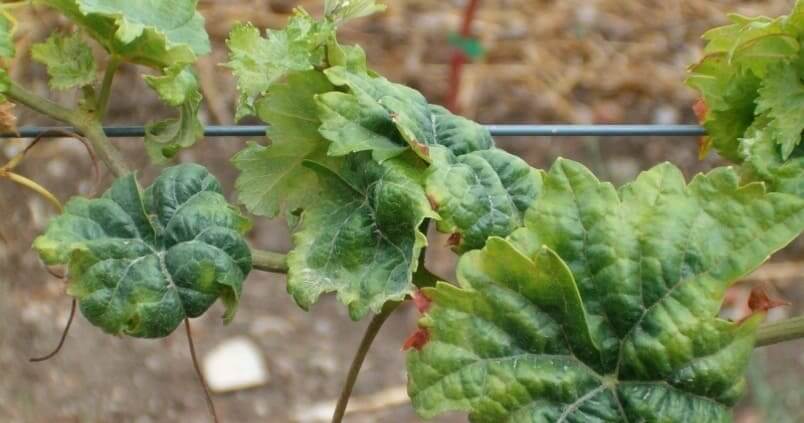
The vine is particularly susceptible to attacks by Empoasca sp., which negatively affect its growth and development. These insects cause a disease characterized by a general weakening of the plant due to the constant loss of sap. The mechanical damage caused by their feeding also interferes with photosynthesis and the translocation of nutrients, causing chlorosis and necrosis in the affected tissues.
- Yellowing of the leaves, especially on the margins.
- Curling and deformation of the leaves.
- Necrotic Taches on the edge of the leaves that progress towards the center.
- Reduction in shoot growth.
- Premature fall of severely affected leaves.
- Decrease in the size and quality of grape bunches.


TEMPERATURE AND HUMIDITY
20°C - 30°C
60% - 80%

TRANSMISSION ROUTES
Flying adults, nymphs migrating between plants, contaminated tools, direct contact between infected plants, wind transport over short distances
Do you want to remove this disease? Choose how you want to treat it.

TREATMENTS
Chemical treatments
• ORANGE OIL 60g/L [ME] P/S
• ACETAMIPRID 20% [SL] P/V
• CYPERMETHRIN 10% [EC] P/V
• CYPERMETHRIN 5% [EC] P/V
• CYPERMETHRIN 50% [EC] P/V
• DELTAMETHRIN 1.5% [EW] P/V
• DELTAMETHRIN 1.57% [SC] P/V
• DELTAMETHRIN 10% [EC] P/V
• DELTAMETHRIN 2.5% [EC] P/V
• DELTAMETHRIN 2.5% [EW] P/V
• PHENPIROXIMATE 5.12% [SC] P/V
• LAMBDA CYHALOTHRIN 0.0015% [ME] P/V
• TAU-FLUVALINATE 24% [EW] P/V
Authorized treatments in organic farming
• ORANGE OIL 60g/L [ME] P/S
• LAMBDA CYHALOTHRIN 0.0015% [ME] P/V
Biological control
• STEINERNEMA CARPOCAPSAE (Parasitoid and predatory nematodes)
Recommendations
- Carry out periodic monitoring in the vineyard to detect the early presence of Empoasca sp., especially in the warm months.
- Apply specific insecticides in the early stages of insect development, preferably before the nymphs become flying adults.
- Promote biodiversity in the vineyard, introducing or conserving natural predators such as ladybugs or lacewings that feed on leafhoppers.
- Implement physical barriers or sticky traps around the vineyard to reduce the mobility of adults.
- Keep the vineyard clean and free of weeds, as these can serve as a refuge for nymphs and adults.
- Promote cultivation practices that improve the natural resistance of the vine, such as balanced fertilization and adequate irrigation, to reduce plant stress.





*Recommended treatments are still recommendations according to authority databases and in no way replace the guidelines established according to the legislation of each country.
*Products shown are recommendations and not our own products. As Amazon Associates, we earn revenue from purchases of recommended products.

TREATMENTS
Homemade remedies
There are no home treatments
Natural allies
Chemical treatments
There are no treatments for this disease. Treatments are directed at the insect vectors that transmit it. See insect treatments.

RECOMMENDATIONS

REPELLENT PLANTS
EFFECTIVE PRODUCTS TO ELIMINATE THIS DISEASE
*Recommended treatments are still recommendations according to authority databases and in no way replace the guidelines established according to the legislation of each country.
*Products shown are recommendations and not our own products. As Amazon Associates, we earn revenue from purchases of recommended products.



Explore more tools
Services
Contact
Legal
©2023 por ZeriMar Laboratoire. Todos os direitos reservados.