


Symptoms, treatments and recommendations for treating bacteriosis
Bacteriosis
Erwinia Sp.
Pathogen:
Type:
Bacterium
Risk:
HIGH
Cactus
Bacteriosis

WHO CAUSES IT?
Erwinia sp. is a genus of pathogenic bacteria that affect a wide variety of plants, including cacti. These bacteria are gram-negative and have peritrichous flagella that allow them to move in liquid media. Infections caused by Erwinia sp. They usually start through wounds on the plant, which can be caused by insects, gardening tools or adverse environmental conditions. Once inside the host, the bacteria proliferate and produce pectinolytic enzymes that break down the plant cell wall, causing tissue necrosis and maceration. These bacteria can survive in soil, plant debris and water, which facilitates their spread. Conditions of high humidity and temperature favor its growth and the appearance of disease symptoms.

SYMPTOMS
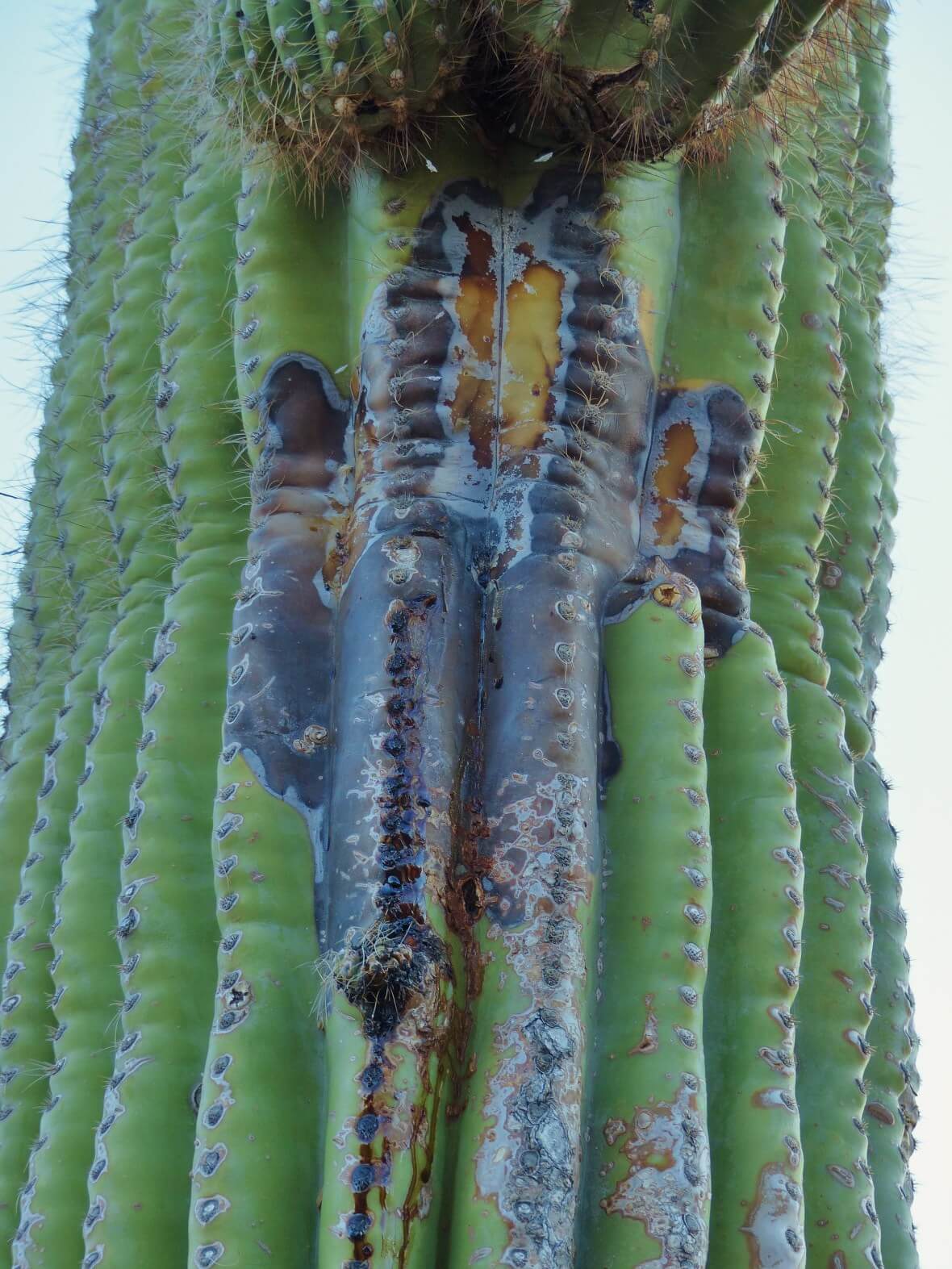
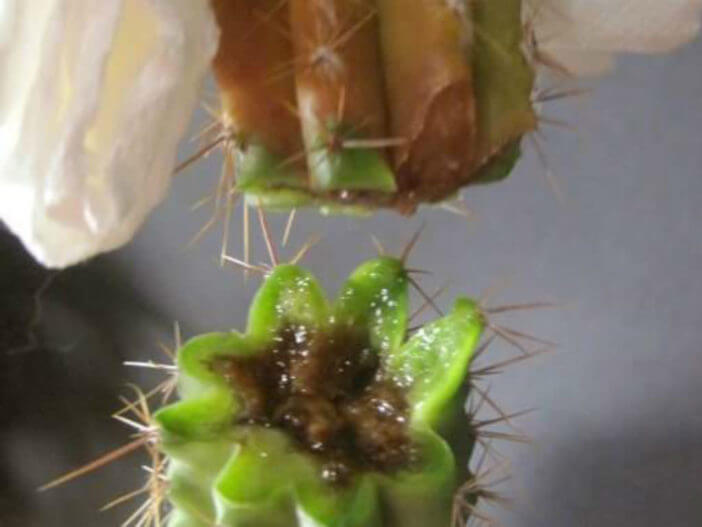
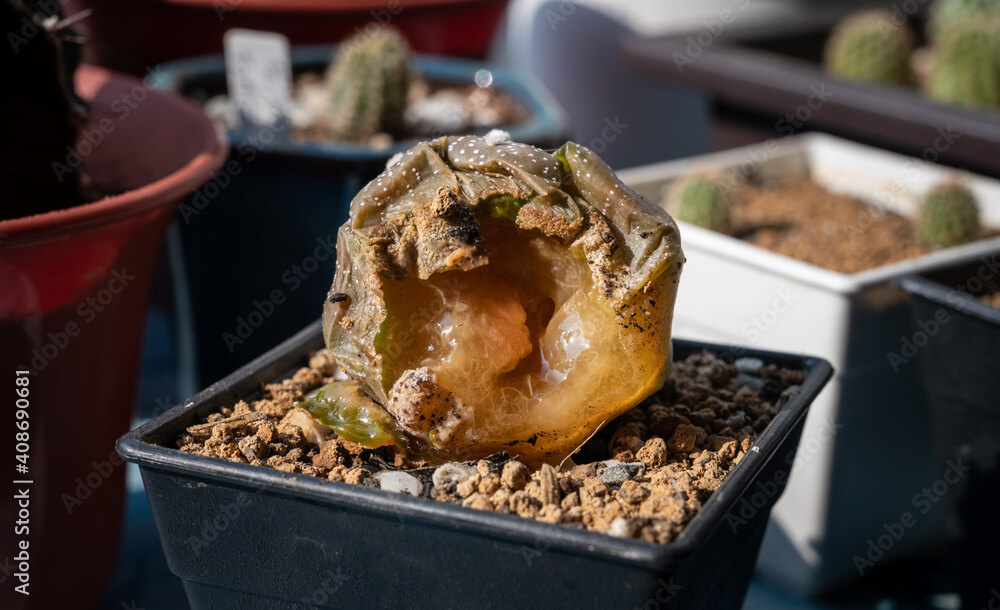
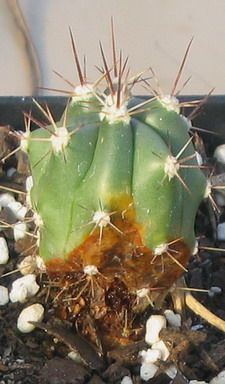
Bacteriosis caused by Erwinia sp. In cacti, it initially manifests itself as moist, soft Taches on the surface of the plant, which eventually darken and expand. These lesions may exude a viscous, foul-smelling liquid, indicating the decomposition of the cactus' internal tissues. The disease progresses rapidly, affecting the structural integrity of the plant and compromising its survival.
- Wet and soft Taches on the surface of the cactus.
- Lesions that darken and expand over time.
- Exudation of a viscous and smelly liquid.
- Necrosis and decomposition of internal tissues.
- Structural weakening of the plant.
- Rapid progression of symptoms and eventual death of the cactus.



TEMPERATURE AND HUMIDITY
20°C a 30°C
80% a 100%

TRANSMISSION ROUTES
Water, Contaminated tools, Vector insects, Direct contact between plants, Contaminated soil, Infected plant remains
Do you want to remove this disease? Choose how you want to treat it.

TREATMENTS
Chemical treatments
• LAMINARIN 4.5% [SL] P/S
• COPPER OXYCHLORIDE 35% (exp. in Cu) [WG] P/P
• CUPROUS OXIDE 50% (EXPR. IN CU) [WP] P/P
Authorized treatments in organic farming
• LAMINARIN 4.5% [SL] P/S
• COPPER OXYCHLORIDE 35% (exp. in Cu) [WG] P/P
• CUPROUS OXIDE 50% (EXPR. IN CU) [WP] P/P
Biological control
• BACILLUS SUBTILIS (STRAIN QST 713) 1.34% [SC] P/V
Recommendations
- Use clean and disinfected gardening tools to avoid the introduction of bacteria.
- Avoid creating wounds in the cacti during handling and transplanting.
- Maintain good ventilation and reduce humidity around plants to minimize the risk of infection.
- Regularly inspect cacti for early symptoms and immediately remove affected plants.
- Apply specific preventive bactericides for Erwinia sp. following the manufacturer's instructions.
- Avoid excessive watering and stagnation of water in the cactus substrate.
- Ensure good drainage of the substrate to prevent high humidity conditions.
- Implement crop rotations and avoid planting cacti in previously infected soils.
- Remove and destroy infected plant remains to reduce the source of inoculum.
- Monitor environmental conditions and adjust management practices to reduce the risk of infection.





*Recommended treatments are still recommendations according to authority databases and in no way replace the guidelines established according to the legislation of each country.
*Products shown are recommendations and not our own products. As Amazon Associates, we earn revenue from purchases of recommended products.

TREATMENTS
Homemade remedies
There are no home treatments
Natural allies
Chemical treatments
There are no treatments for this disease. Treatments are directed at the insect vectors that transmit it. See insect treatments.

RECOMMENDATIONS

REPELLENT PLANTS
EFFECTIVE PRODUCTS TO ELIMINATE THIS DISEASE
*Recommended treatments are still recommendations according to authority databases and in no way replace the guidelines established according to the legislation of each country.
*Products shown are recommendations and not our own products. As Amazon Associates, we earn revenue from purchases of recommended products.



Explore more tools
Services
Contact
Legal
©2023 por ZeriMar Laboratoire. Todos os direitos reservados.