


Symptoms, treatments, and recommendations for treating sclerotium disease, southern blight, or southern blight
Sclerotium Disease, Southern Blight Or Southern Blight
Sclerotium Rolfsii
Pathogen:
Type:
Fungus
Risk:
CRITICAL
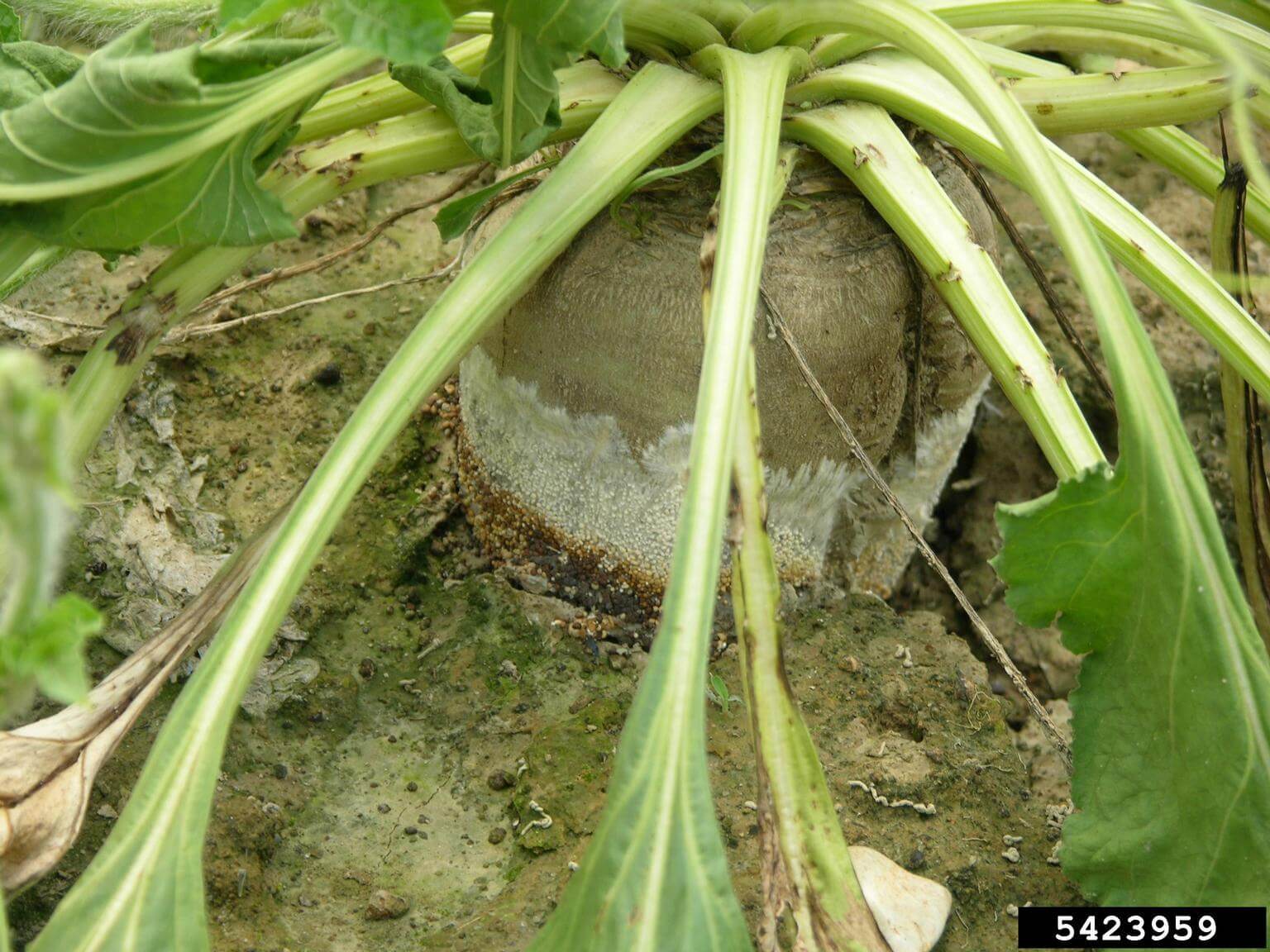
Remolacha azucarera
Moho blanco

WHO CAUSES IT?
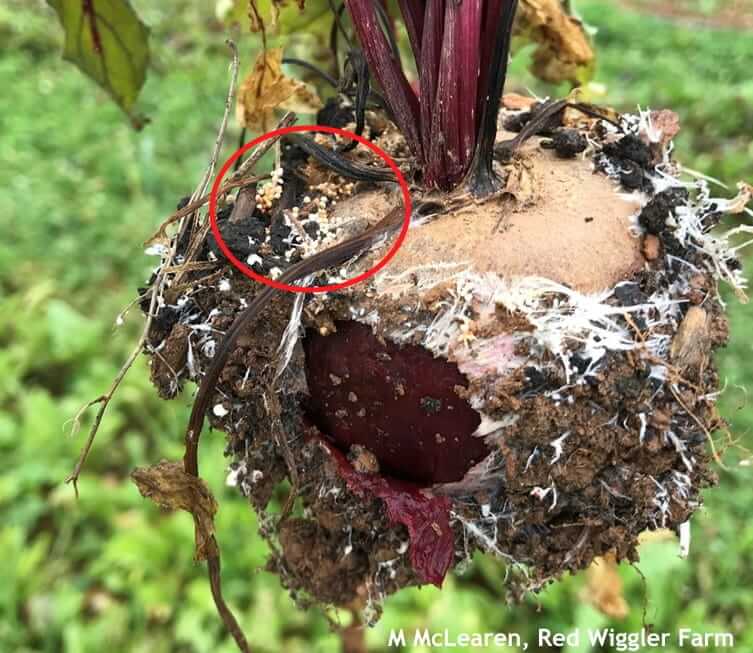
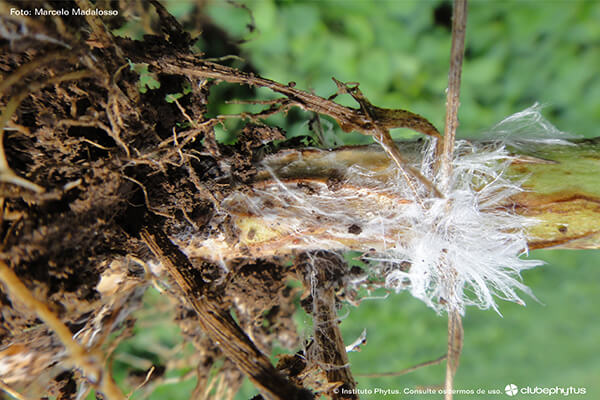
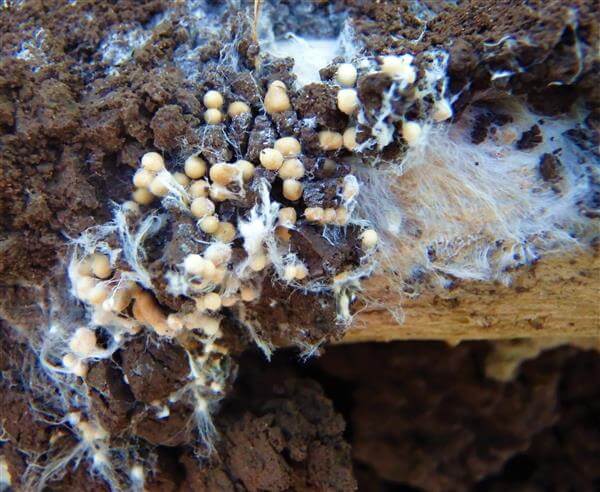
Sclerotium rolfsii is a phytopathogenic fungus that affects numerous plant species, including sugar beet. This fungus is distinguished by the formation of resistance structures called sclerotia, which are small, spherical and dark brown. Sclerotia can survive in the soil for several years in the absence of a host, making them highly resistant and difficult to eradicate. When environmental conditions are favorable, mainly in warm and humid climates, sclerotia germinate and produce white mycelium that spreads rapidly over the surface of the soil and plants. The mycelium penetrates the plant tissues, causing decomposition and releasing enzymes that degrade cell walls. The fungus can also form sexual spores that contribute to dispersal and genetic variability. Sclerotium rolfsii is especially aggressive in its ability to rapidly infect and destroy plant tissues, resulting in significant crop losses.

SYMPTOMS
Sclerotium disease, also known as southern blight or southern blight, is a devastating disease of sugar beets. This disease is characterized by the rapid wilting and collapse of affected plants, due to the destruction of tissues by enzymes produced by the fungus.
- Appearance of dark, watery lesions at the base of the stem.
- Presence of a cottony white mycelium on the surface of the soil and plants.
- Formation of brown sclerotia on the roots and surrounding soil.
- Wilting and collapse of plants, especially in high humidity conditions.
- Decomposition of the roots and base of the stem, which become soft and watery.
- Reduction in growth and yield of affected plants.
- Rapid death of plants in advanced stages of the disease.
- Appearance of brown, dry lesions on the lower leaves.



TEMPERATURE AND HUMIDITY
25-30°C
85-95%

TRANSMISSION ROUTES
Contaminated soil, plant remains, irrigation water, agricultural tools, wind, sclerotia
Do you want to remove this disease? Choose how you want to treat it.

TREATMENTS
Chemical treatments
• AZOXISTROBIN 12.5% + DIFENOCONAZOLE 12.5% [SC] P/V
• AZOXISTROBIN 20% + DIFENOCONAZOLE 12.5% [SC] P/V
• DIFENOCONAZOLE 25% [EC] P/V
Authorized treatments in organic farming
-
Biological control
• BACILLUS SUBTILIS (STRAIN QST 713) 1.34% [SC] P/V
• PYTHIUM OLIGANDRUM (strain M1) 17.5% [WP] P/P
Recommendations
- Implement a crop rotation with non-susceptible species to reduce the population of sclerotia in the soil.
- Use cultural practices such as deep plowing to bury the sclerotia and reduce their viability.
- Improve soil drainage to avoid prolonged humidity conditions that favor the germination of sclerotia.
- Apply preventive fungicides to the soil and plants according to technical recommendations.
- Maintain good field health, eliminating crop remains and weeds that may harbor the fungus.
- Use resistant sugar beet varieties when available.
- Carry out frequent monitoring of the crop to detect early symptoms of the disease and take appropriate control measures.
- Apply organic amendments that improve the soil structure and promote the activity of microorganisms antagonistic to the fungus.
- Avoid excessive irrigation and ensure adequate and uniform irrigation to prevent excess moisture in the soil.





*Recommended treatments are still recommendations according to authority databases and in no way replace the guidelines established according to the legislation of each country.
*Products shown are recommendations and not our own products. As Amazon Associates, we earn revenue from purchases of recommended products.

TREATMENTS
Homemade remedies
There are no home treatments
Natural allies
Chemical treatments
There are no treatments for this disease. Treatments are directed at the insect vectors that transmit it. See insect treatments.

RECOMMENDATIONS

REPELLENT PLANTS
EFFECTIVE PRODUCTS TO ELIMINATE THIS DISEASE
*Recommended treatments are still recommendations according to authority databases and in no way replace the guidelines established according to the legislation of each country.
*Products shown are recommendations and not our own products. As Amazon Associates, we earn revenue from purchases of recommended products.



Explore more tools
Services
Contact
Legal
©2023 por ZeriMar Laboratoire. Todos os direitos reservados.