


Symptoms, treatments and recommendations for treating mildew
Mildew
Perenospora Effusa
Pathogen:
Type:
Oomycete
Risk:
HIGH
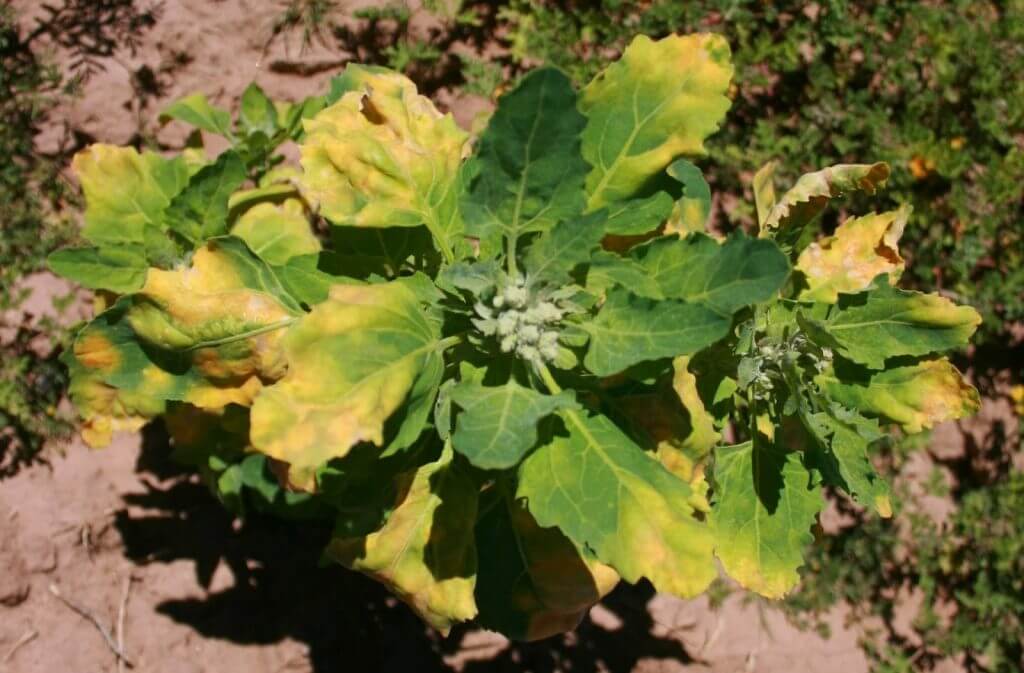
Quinoa
Mildiu

WHO CAUSES IT?
Perenospora effusa is a pathogenic fungus that belongs to the group of oomycetes, known to cause devastating diseases in a variety of crops. This fungus is an obligate parasite, meaning it needs a living host to survive and reproduce. The fungal spores, called sporangia, are released in high humidity conditions and spread through wind and water. Once the sporangia land on the surface of the quinoa leaves, they germinate and form germ tubes that penetrate the leaf tissues through the stomata. Within the plant tissue, the fungus develops a network of hyphae that absorb nutrients and produce new spores. These spores emerge through the stomata in the form of sporangiophores, which release secondary sporangia to continue the infection cycle. During unfavorable periods, Perenospora effusa can survive in the form of resistant oospores in the remains of infected crops, waiting for favorable conditions to restart its activity.

SYMPTOMS
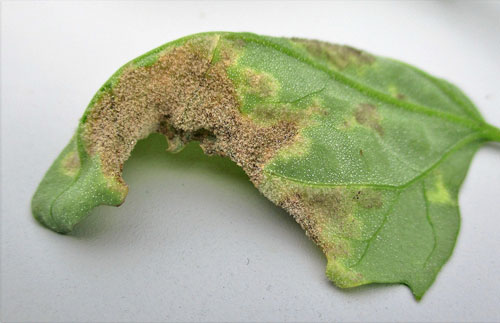
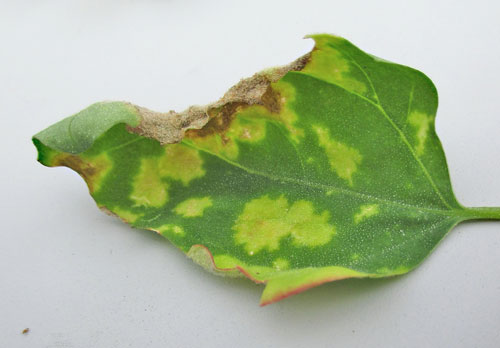
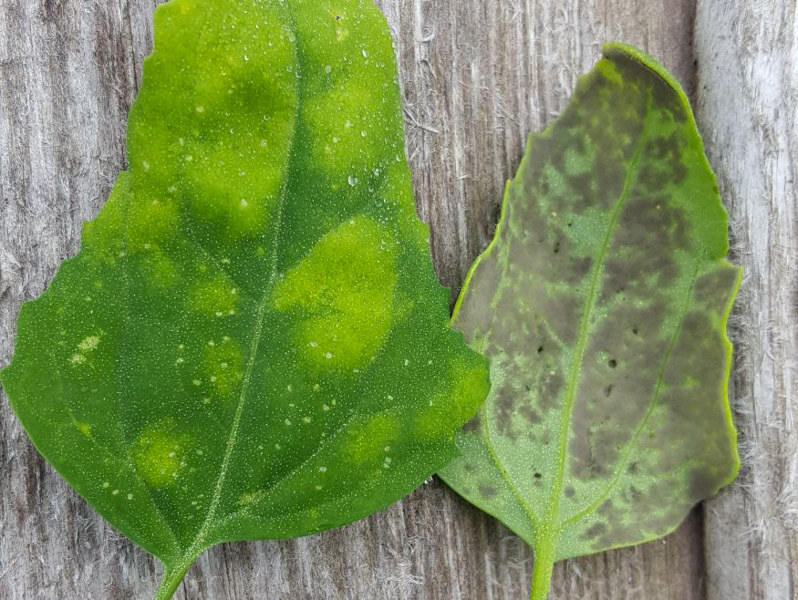
The disease known as Downy Mildew, caused by Perenospora effusa, seriously affects quinoa, compromising both the growth of the plant and the quality of the grain. The first signs of infection are observed on the leaves, where chlorotic Taches appear that become necrotic over time, developing a characteristic grayish mold on the underside. This causes a reduction in photosynthesis and, consequently, in the vigor of the plant.
- Chlorotic Taches on the leaves.
- Necrotic areas on the leaves.
- Presence of grayish mold on the underside of the leaves.
- Premature defoliation.
- Decrease in photosynthesis.
- General weakening of the plant.
- Reduction in the quality and quantity of grain.
- Affectation of the development and growth of the plant.


TEMPERATURE AND HUMIDITY
15-25°C
80-100%

TRANSMISSION ROUTES
Wind, Water, Infected seeds, Contaminated tools, Direct contact between plants, Remains of infected plants
Do you want to remove this disease? Choose how you want to treat it.

TREATMENTS
Chemical treatments
• AZOXISTROBIN 25% [SC] P/V
Authorized treatments in organic farming
-
Biological control
-
Recommendations
- Use quinoa varieties resistant to Perenospora effusa.
- Implement crop rotation to avoid the accumulation of inoculum in the soil.
- Maintain adequate separation between plants to improve air circulation and reduce leaf humidity.
- Avoid sprinkler irrigation, which can favor the spread of fungal spores.
- Apply preventive fungicides according to technical recommendations, especially in climatic conditions favorable for the disease.
- Remove and destroy the remains of infected crops to reduce sources of infection.
- Regularly monitor crops to detect the first symptoms of the disease and act quickly.
- Promote integrated management practices that include cultural, biological and chemical measures.
- Train farmers on the identification and management of downy mildew disease.





*Recommended treatments are still recommendations according to authority databases and in no way replace the guidelines established according to the legislation of each country.
*Products shown are recommendations and not our own products. As Amazon Associates, we earn revenue from purchases of recommended products.

TREATMENTS
Homemade remedies
There are no home treatments
Natural allies
Chemical treatments
There are no treatments for this disease. Treatments are directed at the insect vectors that transmit it. See insect treatments.

RECOMMENDATIONS

REPELLENT PLANTS
EFFECTIVE PRODUCTS TO ELIMINATE THIS DISEASE
*Recommended treatments are still recommendations according to authority databases and in no way replace the guidelines established according to the legislation of each country.
*Products shown are recommendations and not our own products. As Amazon Associates, we earn revenue from purchases of recommended products.



Explore more tools
Services
Contact
Legal
©2023 por ZeriMar Laboratoire. Todos os direitos reservados.