


Symptoms, treatments and recommendations for treating stem and bulb nematodes
Stem And Bulb Nematode
D.Angustus, D.Destructor, D.Dipsaci
Pathogen:
Type:
Nematode
Risk:
HIGH
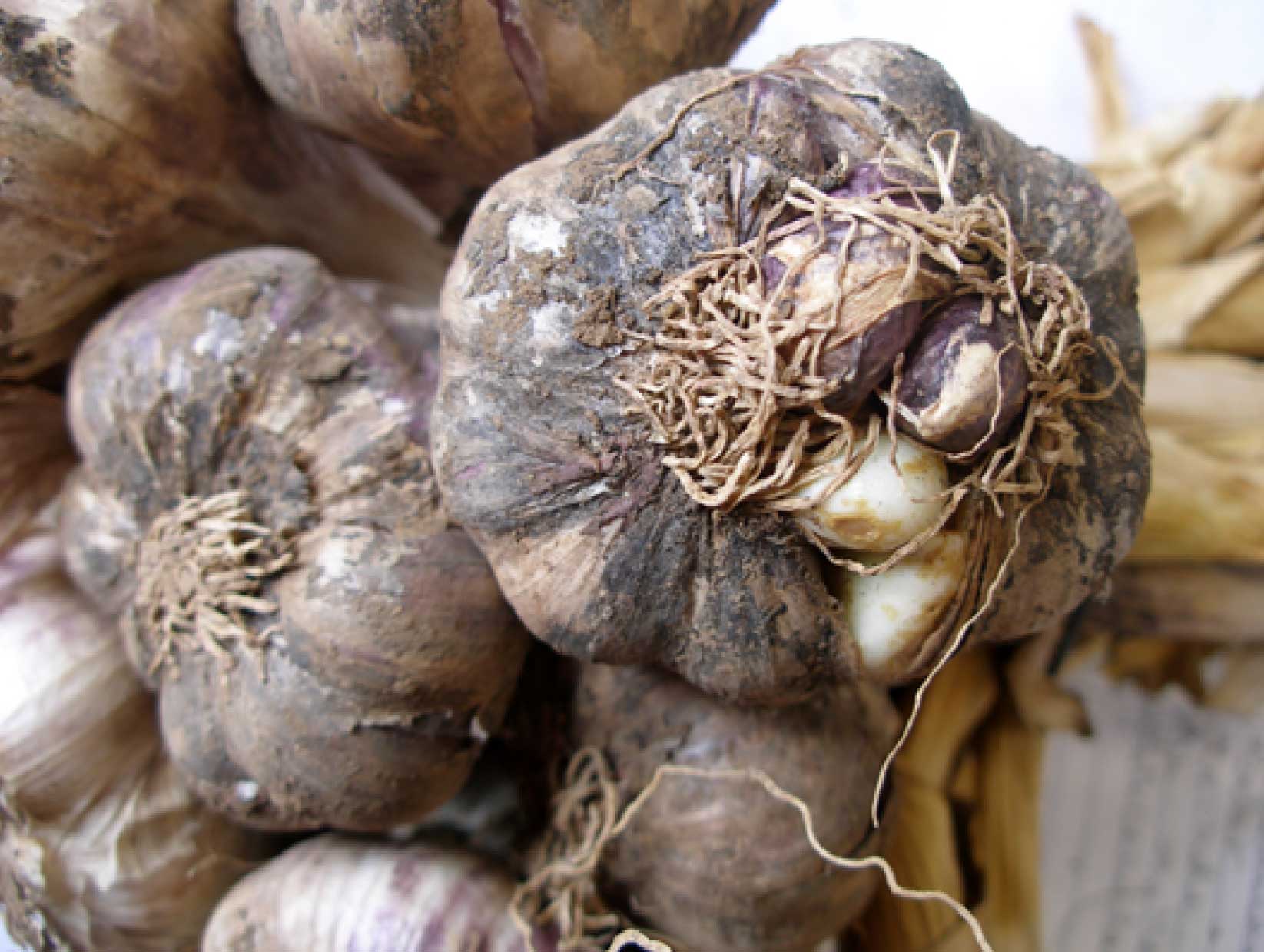
Ajo
Nematodos

WHO CAUSES IT?
Ditylenchus angustus, Ditylenchus destructor and Ditylenchus dipsaci are plant parasitic nematodes that cause the disease known as stem and bulb nematode in various plants, including garlic. These nematodes have a complex life cycle that includes egg, larva, and adult stages. The eggs hatch in the soil or within plant tissues, releasing larvae that feed on plant cells. As the larvae grow, they go through several molts until they become adults. Adults can continue feeding and reproducing inside the plant or move to the soil to infect new plants. This cycle can repeat several times a year, depending on environmental conditions, allowing nematodes to persist in fields for long periods.

SYMPTOMS
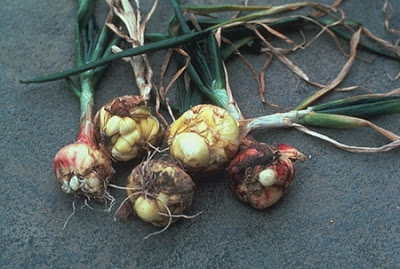
Infestation by Ditylenchus angustus, Ditylenchus destructor and Ditylenchus dipsaci in garlic causes a disease that seriously affects both the quality and quantity of the crop. Nematodes feed on the internal tissues of garlic, causing a series of symptoms that can hinder the growth and development of plants.
- Swelling and deformations in the stems.
- Discoloration and necrosis of the leaves.
- Blisters and lesions on the surface of the bulbs.
- Rotten and weak roots.
- Delay in plant growth.
- Loss of vigor and reduction in crop yield.


TEMPERATURE AND HUMIDITY
15°C - 25°C
60% - 80%

TRANSMISSION ROUTES
Contaminated soil, infected planting material, contaminated irrigation water, agricultural tools, crop residues, wind
Do you want to remove this disease? Choose how you want to treat it.

TREATMENTS
Chemical treatments
• AZADIRACTIN 1% (AS AZADIRACTIN A) [EC] P/V
• Azadirachtin 2.6% (AS AZADIRACTIN A) [EC] P/V
• FLUOPYRAM 20% + TEBUCONAZOLE 20% [SC] P/V
Authorized treatments in organic farming
• AZADIRACTIN 1% (AS AZADIRACTIN A) [EC] P/V
• Azadirachtin 2.6% (AS AZADIRACTIN A) [EC] P/V
Biological control
• PURPUREOCILLIUM LILACINUM (CEPA 251) 21.6% [DC] P/V
• STEINERNEMA CARPOCAPSAE (Parasitoid and predatory nematodes)
Recommendations
- Carry out crop rotation with non-host plants to reduce the accumulation of nematodes in the soil.
- Use certified planting material free of nematodes to avoid the introduction of the pest into the fields.
- Apply heat treatments to garlic bulbs before planting to eliminate any nematodes present.
- Implement soil solarization practices during the summer to reduce the nematode population.
- Maintain good hygiene in the field, eliminating crop remains and weeds that could serve as a refuge for nematodes.
- Apply specific nematicides following the technical recommendations and respecting the deficiency periods.
- Promote the activity of natural enemies of nematodes, such as antagonistic fungi and bacteria, by adding compost and organic matter.
- Avoid excessive irrigation and improve soil drainage to reduce favorable conditions for nematodes.





*Recommended treatments are still recommendations according to authority databases and in no way replace the guidelines established according to the legislation of each country.
*Products shown are recommendations and not our own products. As Amazon Associates, we earn revenue from purchases of recommended products.

TREATMENTS
Homemade remedies
There are no home treatments
Natural allies
Chemical treatments
There are no treatments for this disease. Treatments are directed at the insect vectors that transmit it. See insect treatments.

RECOMMENDATIONS

REPELLENT PLANTS
EFFECTIVE PRODUCTS TO ELIMINATE THIS DISEASE
*Recommended treatments are still recommendations according to authority databases and in no way replace the guidelines established according to the legislation of each country.
*Products shown are recommendations and not our own products. As Amazon Associates, we earn revenue from purchases of recommended products.



Explore more tools
Services
Contact
Legal
©2023 por ZeriMar Laboratoire. Todos os direitos reservados.