


Symptoms, treatments, and recommendations for treating California red louse
California Red Louse
Aonidiella Aurantii
Pathogen:
Type:
Insect
Risk:
MILD

Laurel
Escamas


WHO CAUSES IT?
Aonidiella aurantii, commonly known as citrus soft scale, is an insect pest that affects a wide variety of plants, including laurel. It is a sucking insect that adheres to the leaves and branches of the plant, extracting the sap and weakening the foliage. This pest can cause significant damage if not properly controlled, affecting the health and aesthetics of the laurel.

SYMPTOMS
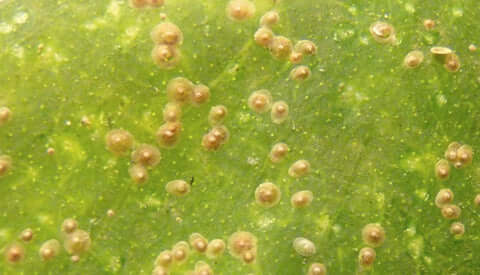
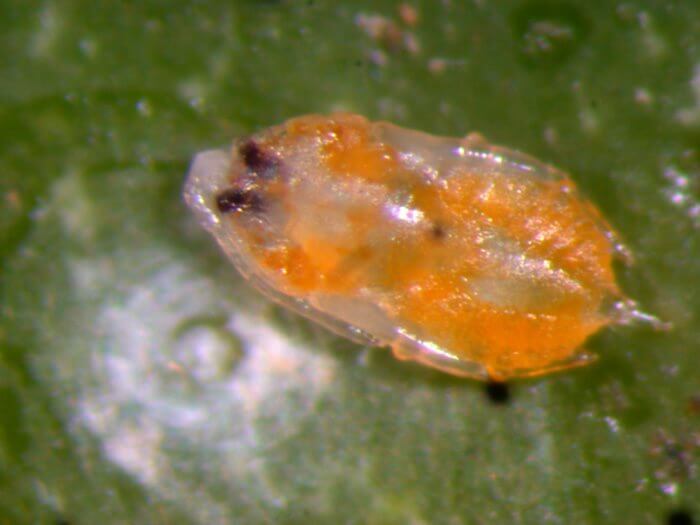
In laurel, infestation by Aonidiella aurantii causes a series of characteristic symptoms. Among the most common signs are the presence of small white, red or yellowish scales on the leaves and stems, as well as the formation of a sticky substance called honeydew, which is excreted by insects while they feed. Additionally, the plant may show signs of weakening, including yellowing of the leaves, premature shedding, and reduced growth.


TEMPERATURE AND HUMIDITY
20°C - 30°C
60% - 80%

TRANSMISSION ROUTES
Direct contact, human transport, biological vectors, contaminated plant material, agricultural equipment.
Do you want to remove this disease? Choose how you want to treat it.

TREATMENTS
Chemical treatments
• ORANGE OIL 60g/L [ME] P/S
• PARAFFIN OIL (CAS [64742-46-7]) 79% [EC] P/V
• PARAFFIN OIL (CAS [64742-46-7]) 80% [EC] P/V
• AONIDIELLA AURANTII ATTRACTANT. Diffuser
• POTASSIUM SALTS OF FATTY ACIDS C14-C20 48% [EW] P/V
Authorized treatments in organic farming
• ORANGE OIL 60g/L [ME] P/S
• PARAFFIN OIL (CAS [64742-46-7]) 79% [EC] P/V
• PARAFFIN OIL (CAS [64742-46-7]) 80% [EC] P/V
• AONIDIELLA AURANTII ATTRACTANT. Diffuser
• POTASSIUM SALTS OF FATTY ACIDS C14-C20 48% [EW] P/V
Biological control
• APHYTIS MELINUS (Parasitoid and predatory insects)
Recommendations
To prevent and control Aonidiella aurantii infestation in laurels, it is recommended to implement a series of integrated pest management measures. This includes regularly inspecting plants for signs of infestation, manually removing insects when possible, using specific scale insecticides as needed, and promoting healthy cultural practices to maintain plant health. .





*Recommended treatments are still recommendations according to authority databases and in no way replace the guidelines established according to the legislation of each country.
*Products shown are recommendations and not our own products. As Amazon Associates, we earn revenue from purchases of recommended products.

TREATMENTS
Homemade remedies
There are no home treatments
Natural allies
Chemical treatments
There are no treatments for this disease. Treatments are directed at the insect vectors that transmit it. See insect treatments.

RECOMMENDATIONS

REPELLENT PLANTS
EFFECTIVE PRODUCTS TO ELIMINATE THIS DISEASE
*Recommended treatments are still recommendations according to authority databases and in no way replace the guidelines established according to the legislation of each country.
*Products shown are recommendations and not our own products. As Amazon Associates, we earn revenue from purchases of recommended products.



Explore more tools
Services
Contact
Legal
©2023 por ZeriMar Laboratoire. Todos os direitos reservados.