


Symptoms, treatments, and recommendations for treating white rot
White Rot
Sclerotium Cepivorum
Pathogen:
Type:
Fungus
Risk:
INTERMEDIATE
Cebolla
Moho blanco

WHO CAUSES IT?
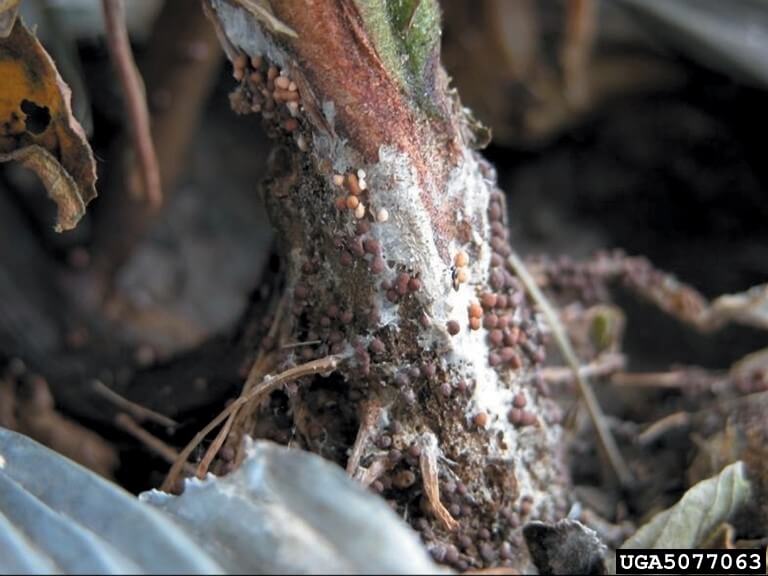
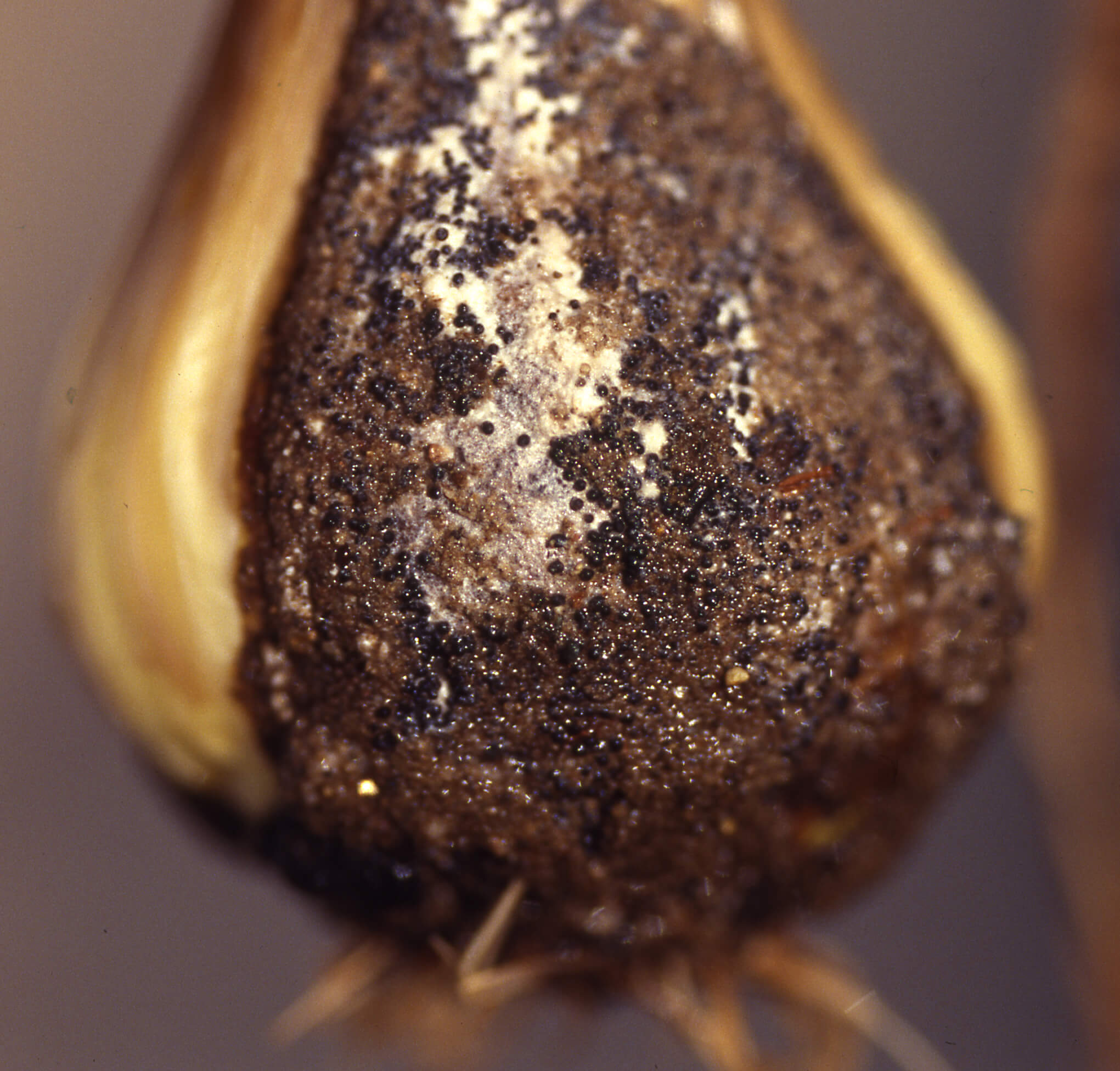
Sclerotium cepivorum is a pathogen that causes a devastating disease in onion plants and other related species. This fungus is known for its ability to survive for long periods in the soil in the form of sclerotia, which are resistance structures. When conditions are favorable, these sclerotia germinate and produce fungal structures called mycelium, which infect the roots of the host plants.

SYMPTOMS
Sclerotium cepivorum is a pathogen that causes a devastating disease in onion plants and other related species. This fungus is known for its ability to survive for long periods in the soil in the form of sclerotia, which are resistance structures. When conditions are favorable, these sclerotia germinate and produce fungal structures called mycelium, which infect the roots of the host plants.
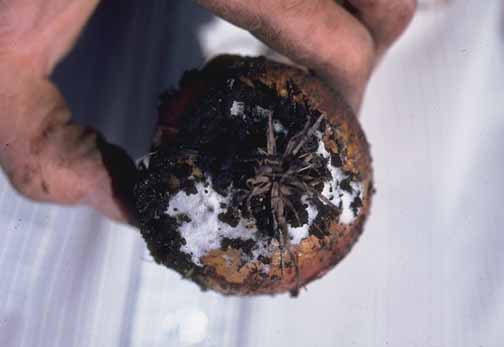
The disease it causes in onions is known as "white neck rot" or "white root rot." Symptoms include decay of the neck and base of the plant, leading to sudden collapse and death of the plant. A characteristic white mold is often seen on infected areas. This disease can cause significant losses in onion crops and is especially problematic in regions with hot, humid climates.


TEMPERATURE AND HUMIDITY
20 ºC - 30°C
70% - 90%

TRANSMISSION ROUTES
Contaminated soil, infected crop remains, contaminated agricultural tools, contaminated irrigation water, vegetative propagation.
Do you want to remove this disease? Choose how you want to treat it.

TREATMENTS
Chemical treatments
• PIRACLOSTROBIN 6.7% + BOSCALIDE 26.7% (I) [WG] P/P
• PHENHEXAMIDE 50% [SC] P/V
Authorized treatments in organic farming
-
Biological control
-
Recommendations
To prevent and control white rot, it is essential to implement integrated pest management practices. This includes crop rotation, selection of resistant varieties, weed control, improvement of soil structure and avoidance of overwatering. In addition, the use of specific fungicides can be effective in controlling the disease, although they must be applied preventively and following the dosage recommendations to avoid pathogen resistance.





*Recommended treatments are still recommendations according to authority databases and in no way replace the guidelines established according to the legislation of each country.
*Products shown are recommendations and not our own products. As Amazon Associates, we earn revenue from purchases of recommended products.

TREATMENTS
Homemade remedies
There are no home treatments
Natural allies
Chemical treatments
There are no treatments for this disease. Treatments are directed at the insect vectors that transmit it. See insect treatments.

RECOMMENDATIONS

REPELLENT PLANTS
EFFECTIVE PRODUCTS TO ELIMINATE THIS DISEASE
*Recommended treatments are still recommendations according to authority databases and in no way replace the guidelines established according to the legislation of each country.
*Products shown are recommendations and not our own products. As Amazon Associates, we earn revenue from purchases of recommended products.



Explore more tools
Services
Contact
Legal
©2023 por ZeriMar Laboratoire. Todos os direitos reservados.