


Symptoms, treatments, and recommendations for treating charcoal rot
Charcoal Rot
Macrophomina Phaseolina
Pathogen:
Type:
Fungus
Risk:
HIGH

Patata
Micosis/Hongos
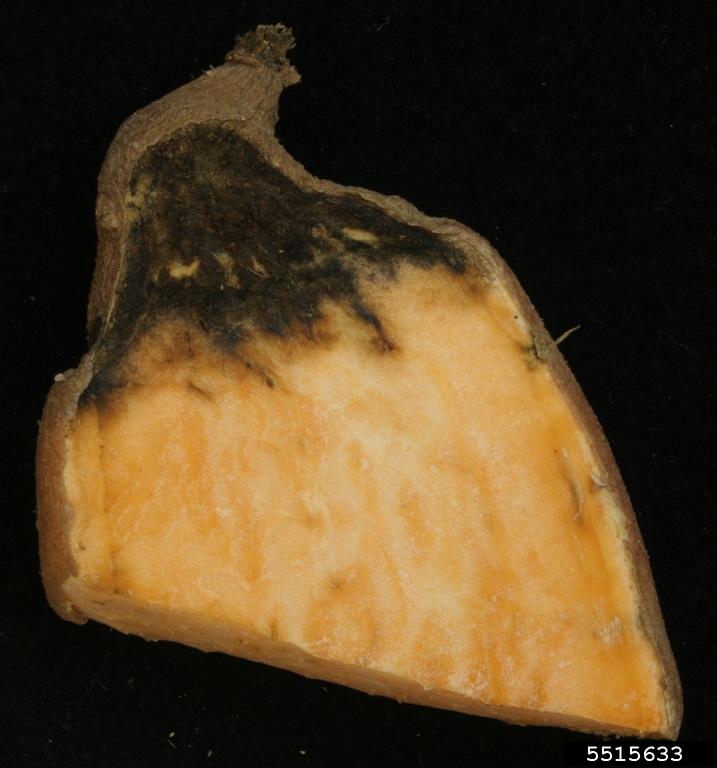

WHO CAUSES IT?
Macrophomina phaseolina is a phytopathogenic fungus that causes the disease known as charcoal rot in potato crops. This fungus produces resistance structures called microsclerotia, which can survive in the soil and in infected plant residues for long periods, even under adverse conditions. When conditions are favorable, microsclerotia germinate and the fungus infects the roots and tubers of the potato, causing significant damage.

SYMPTOMS
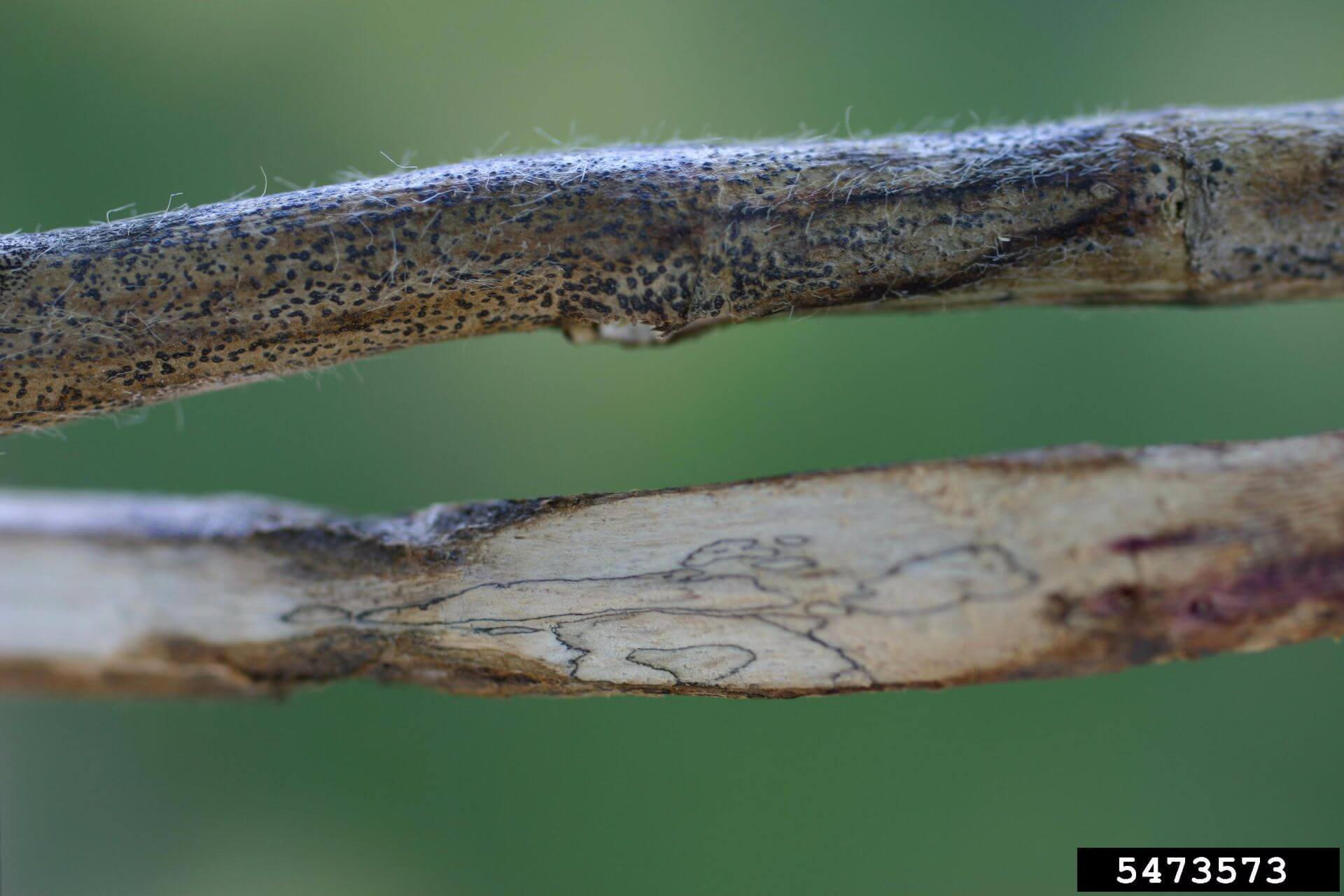
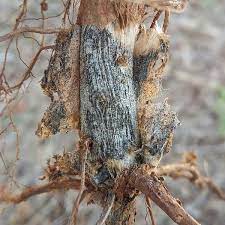
Charcoal rot mainly affects the roots and tubers of potatoes. Symptoms include the appearance of dark, carbonaceous lesions on roots and tubers. These lesions can spread and cause tissue rot, affecting the quality and quantity of the harvest. In severe cases, the infection can cause wilting and death of plants.
• Dark, carbonaceous lesions on roots and tubers.
• Rotting of root and tuber tissues.
• Reduction in the quality and quantity of the harvest.
• In severe cases, wilting and death of plants.


TEMPERATURE AND HUMIDITY
25°C - 35°C
40% - 80%

TRANSMISSION ROUTES
Contaminated soil, microsclerotia, remains of infected plants, direct contact with infected plants or tubers.
Do you want to remove this disease? Choose how you want to treat it.

TREATMENTS
Chemical treatments
-
Authorized treatments in organic farming
-
Biological control
• TRICHODERMA HARZIANUM RIFAI (STRAIN T-22) 1% (1 X 10E9 CFU/G) [WG] P/P
Recommendations
• Use potato varieties resistant to Macrophomina phaseolina.
• Practice crop rotation with non-host plants to reduce the presence of the fungus in the soil.
• Maintain proper soil management, including moisture control and fertilization.
• Disinfect culture tools to prevent the spread of microsclerotia.
• Regularly monitor crops for early signs of the disease.
• Apply specific fungicides according to expert recommendations.





*Recommended treatments are still recommendations according to authority databases and in no way replace the guidelines established according to the legislation of each country.
*Products shown are recommendations and not our own products. As Amazon Associates, we earn revenue from purchases of recommended products.

TREATMENTS
Homemade remedies
There are no home treatments
Natural allies
Chemical treatments
There are no treatments for this disease. Treatments are directed at the insect vectors that transmit it. See insect treatments.

RECOMMENDATIONS

REPELLENT PLANTS
EFFECTIVE PRODUCTS TO ELIMINATE THIS DISEASE
*Recommended treatments are still recommendations according to authority databases and in no way replace the guidelines established according to the legislation of each country.
*Products shown are recommendations and not our own products. As Amazon Associates, we earn revenue from purchases of recommended products.



Explore more tools
Services
Contact
Legal
©2023 por ZeriMar Laboratoire. Todos os direitos reservados.