


Symptoms, treatments and recommendations for treating aphids
Aphid
Aphis Craccivora, A. Gossyppi, Macrosiphum Euphorbiae, Myzus Persicae.
Pathogen:
Type:
Insect
Risk:
HIGH
Quinoa
Pulgones

WHO CAUSES IT?
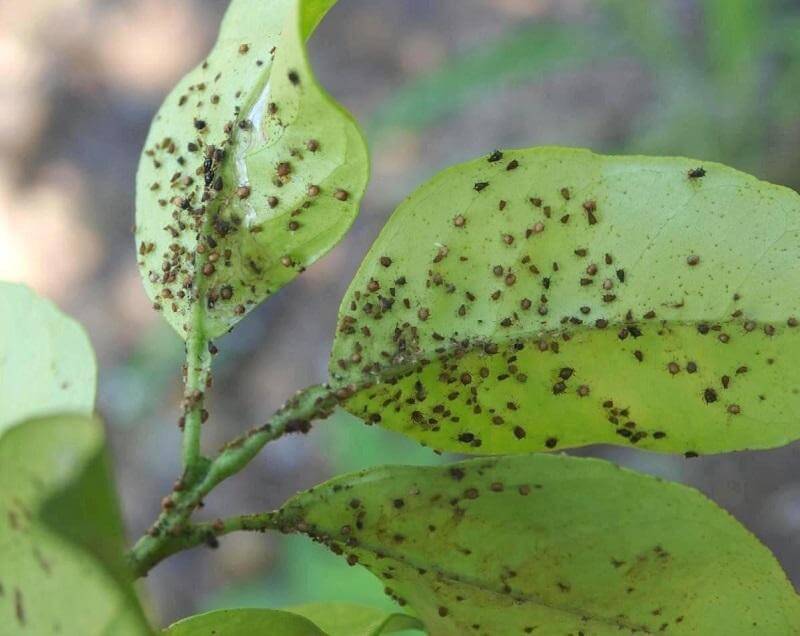
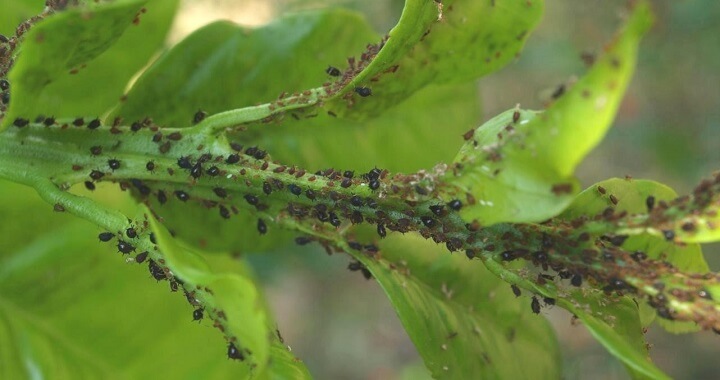
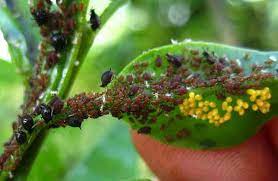
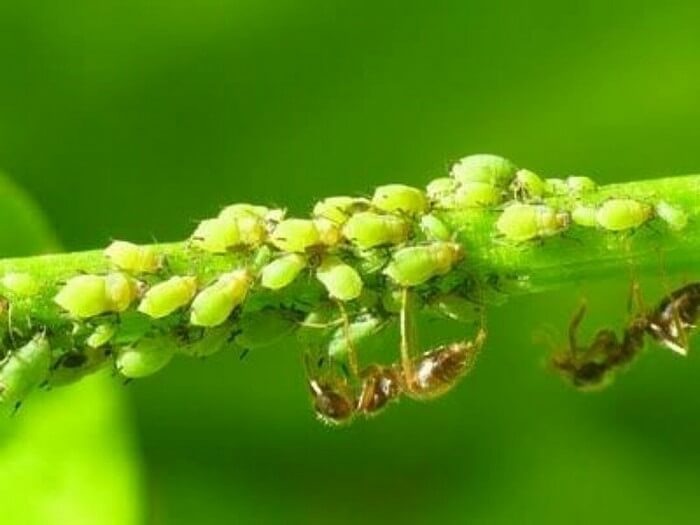
Aphis craccivora, A. gossypii, Macrosiphum euphorbiae and Myzus persicae are species of aphids that attack quinoa. These aphids are small, soft-bodied insects that range in color from green to black. They reproduce quickly, as females can give birth to live young without having to mate (parthenogenesis). Under favorable conditions, a single female can produce hundreds of offspring in a few weeks. Aphids go through several nymphal stages before becoming adults. During all these phases, they feed by sucking plant sap with their mouth stylets. In addition to sucking sap, aphids excrete a sticky substance called honeydew, which can attract sooty fungi, further affecting plant health. Aphids can also be vectors of viral diseases, increasing damage to crops.

SYMPTOMS
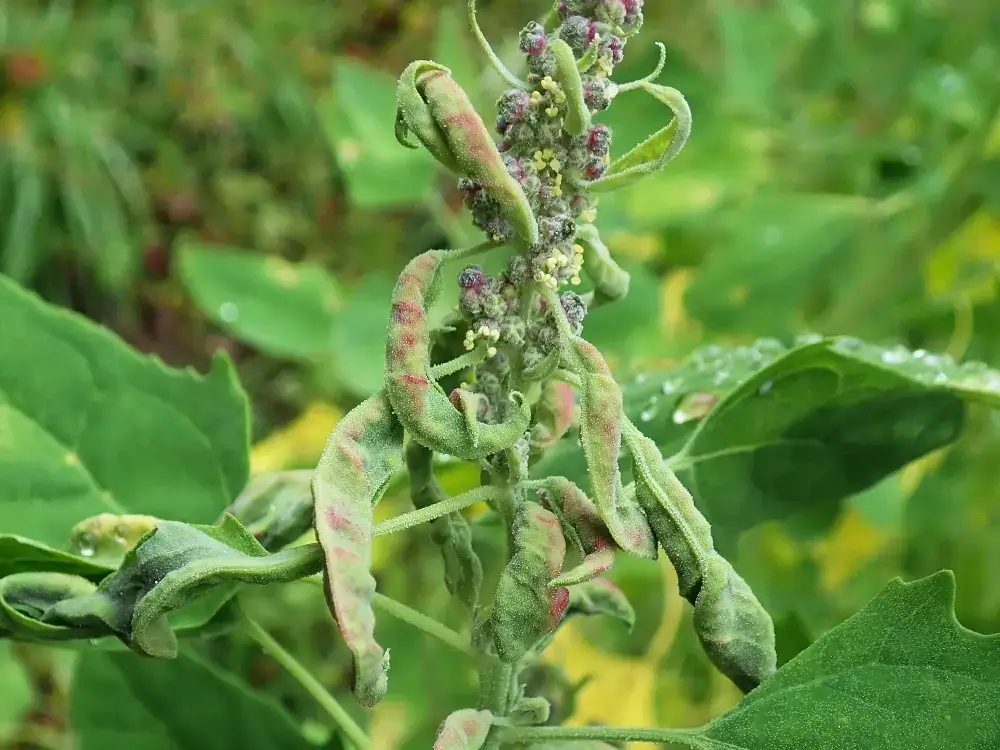
The infestation of quinoa by Aphis craccivora, A. gossypii, Macrosiphum euphorbiae and Myzus persicae causes the disease known as aphid, characterized by a series of symptoms that deteriorate the health and productivity of the plants. Aphids, when feeding, weaken the plant and promote the appearance of other secondary problems.
- Rolled and deformed leaves.
- Yellowing and premature leaf fall.
- Delayed plant growth.
- Presence of necrotic Taches on leaves and stems.
- Production of molasses, which induces the growth of black mold.
- Decrease in the quality and quantity of panicles.
- Transmission of viral diseases.


TEMPERATURE AND HUMIDITY
18-25°C
60-80%

TRANSMISSION ROUTES
Insect movement, Wind, Contaminated tools, Infested plant material, Direct contact between plants
Do you want to remove this disease? Choose how you want to treat it.

TREATMENTS
Chemical treatments
• RAPE OIL 1.53% [AL] P/V
• PARAFFIN OIL (CAS [64742-46-7]) 79% [EC] P/V
• PARAFFIN OIL (CAS [8042-47-5]) 54.6% [EW] P/V
• AZADIRACTIN 1% (AS AZADIRACTIN A) [EC] P/V
• Azadirachtin 2.6% (AS AZADIRACTIN A) [EC] P/V
• SULFUR 40% + CYPERMETHRIN 0.5% [DP] P/P
• CYPERMETHRIN 10% [EC] P/V
• CYPERMETHRIN 10% [EW] P/V
• CYPERMETHRIN 50% [EC] P/V
• DELTAMETHRIN 1.57% [SC] P/V
• DELTAMETHRIN 10% [EC] P/V
• DELTAMETHRIN 2.5% [EC] P/V
• DELTAMETHRIN 2.5% [EW] P/V
• ESFENVALERATE 2.5% [EC] P/V
• ESFENVALERATE 5% [EC] P/V
• ESFENVALERATO 5% [EW] P/V
• LAMBDA CYHALOTHRIN 1.5% [CS] P/V
• LAMBDA CYHALOTHRIN 10% [CS] P/V
• LAMBDA CYHALOTHRIN 10% [EC] P/V
• LAMBDA CYHALOTHRIN 2.5% [WG] P/P
• LAMBDA CYHALOTHRIN 5% [EG] P/P
• PYRETHRINS 1.9% [EC] P/V
• Pyrethrins 12.9 g/l [EC] P/V
• PYRETHRINS 2% (PYRETHRE EXTR.) [EC] P/V
• PYRETHRINS 2% [EC] P/V
• PYRETHRINS 4.65% (as pyrethrum extract) [EC] P/V
• PYRETHRINS 4% (PYRETHHRINE EXTR.) [EC] P/V
• PYRETHRINS 4% [EC] P/V
• PYRETHRINS 5% [SC] P/V
• POTASSIUM SALTS OF FATTY ACIDS C14-C20 48% [EW] P/V
• TAU-FLUVALINATE 24% [EW] P/V
Authorized treatments in organic farming
• RAPE OIL 1.53% [AL] P/V
• PARAFFIN OIL (CAS [64742-46-7]) 79% [EC] P/V
• PARAFFIN OIL (CAS [8042-47-5]) 54.6% [EW] P/V
• AZADIRACTIN 1% (AS AZADIRACTIN A) [EC] P/V
• Azadirachtin 2.6% (AS AZADIRACTIN A) [EC] P/V
• LAMBDA CYHALOTHRIN 1.5% [CS] P/V
• LAMBDA CYHALOTHRIN 10% [CS] P/V
• LAMBDA CYHALOTHRIN 10% [EC] P/V
• LAMBDA CYHALOTHRIN 2.5% [WG] P/P
• LAMBDA CYHALOTHRIN 5% [EG] P/P
• PYRETHRINS 1.9% [EC] P/V
• Pyrethrins 12.9 g/l [EC] P/V
• PYRETHRINS 2% (PYRETHRE EXTR.) [EC] P/V
• PYRETHRINS 2% [EC] P/V
• PYRETHRINS 4.65% (as pyrethrum extract) [EC] P/V
• PYRETHRINS 4% (PYRETHHRINE EXTR.) [EC] P/V
• PYRETHRINS 4% [EC] P/V
• PYRETHRINS 5% [SC] P/V
• POTASSIUM SALTS OF FATTY ACIDS C14-C20 48% [EW] P/V
Biological control
• ADALIA BIPUNCTATA
• APHELINUS ABDOMINALIS
• APHIDIUS COLEMANI
• APHIDIUS ERVI
• APHIDOLETES APHIDIMYZA
• APHISIUS SP. (WASPS)
• BEAUVERIA BASSIANA (STRAIN ATCC 74040) 2.3% (2.3X10E7 VIABLE SPORES/ML) [OD] P/V
• BEAUVERIA BASSIANA (GHA STRAIN) 22% (4.4 x 10E10 CONIDIAS/G) [WP] P/P
• CHRYSOPERLA CARNEA
• EPISYRPHUS BALTEATUS (HYRPHID)
• HIPPODAMIA VARIEGATA
• MACROLOPHUS PYGMAEUS
• PRAON VOLUCRE
• RHOPALOSIPHUM PADI
• SCYMNUS NUBILUS
• SPHAEROPHORIA RUEPPELLII (SYRPHID)
Recommendations
- Regularly monitor the crop to detect the early presence of aphids.
- Use yellow chromatic traps to capture adults and monitor populations.
- Introduce and encourage natural enemies such as ladybugs, lacewings and parasitoid wasps.
- Apply mineral oils or insecticidal soaps to suffocate aphids.
- Implement crop rotation to interrupt the life cycle of aphids.
- Maintain adequate nutrition and irrigation of plants to increase their natural resistance.
- Carry out sanitation pruning to eliminate infested parts of the plant.
- Apply specific insecticides following technical recommendations and rotating modes of action to avoid resistance.
- Promote cultural practices that reduce excessive humidity and plant stress.





*Recommended treatments are still recommendations according to authority databases and in no way replace the guidelines established according to the legislation of each country.
*Products shown are recommendations and not our own products. As Amazon Associates, we earn revenue from purchases of recommended products.

TREATMENTS
Homemade remedies
There are no home treatments
Natural allies
Chemical treatments
There are no treatments for this disease. Treatments are directed at the insect vectors that transmit it. See insect treatments.

RECOMMENDATIONS

REPELLENT PLANTS
EFFECTIVE PRODUCTS TO ELIMINATE THIS DISEASE
*Recommended treatments are still recommendations according to authority databases and in no way replace the guidelines established according to the legislation of each country.
*Products shown are recommendations and not our own products. As Amazon Associates, we earn revenue from purchases of recommended products.



Explore more tools
Services
Contact
Legal
©2023 por ZeriMar Laboratoire. Todos os direitos reservados.