top of page

Symptoms, treatments, and recommendations for treating black donut or prodenia

Black Donut Or Prodenia

Spodoptera Littoralis

Pathogen:

Type:

Insect

Risk:

HIGH

Symptoms, treatments, and recommendations for treating black donut or prodenia

Apio

Orugas o gusanos

Blackroot or Prodenia: Symptoms and Damage in Celery
1709890758744.png

WHO CAUSES IT?

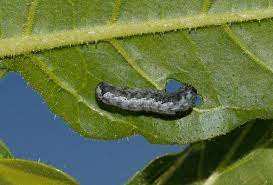
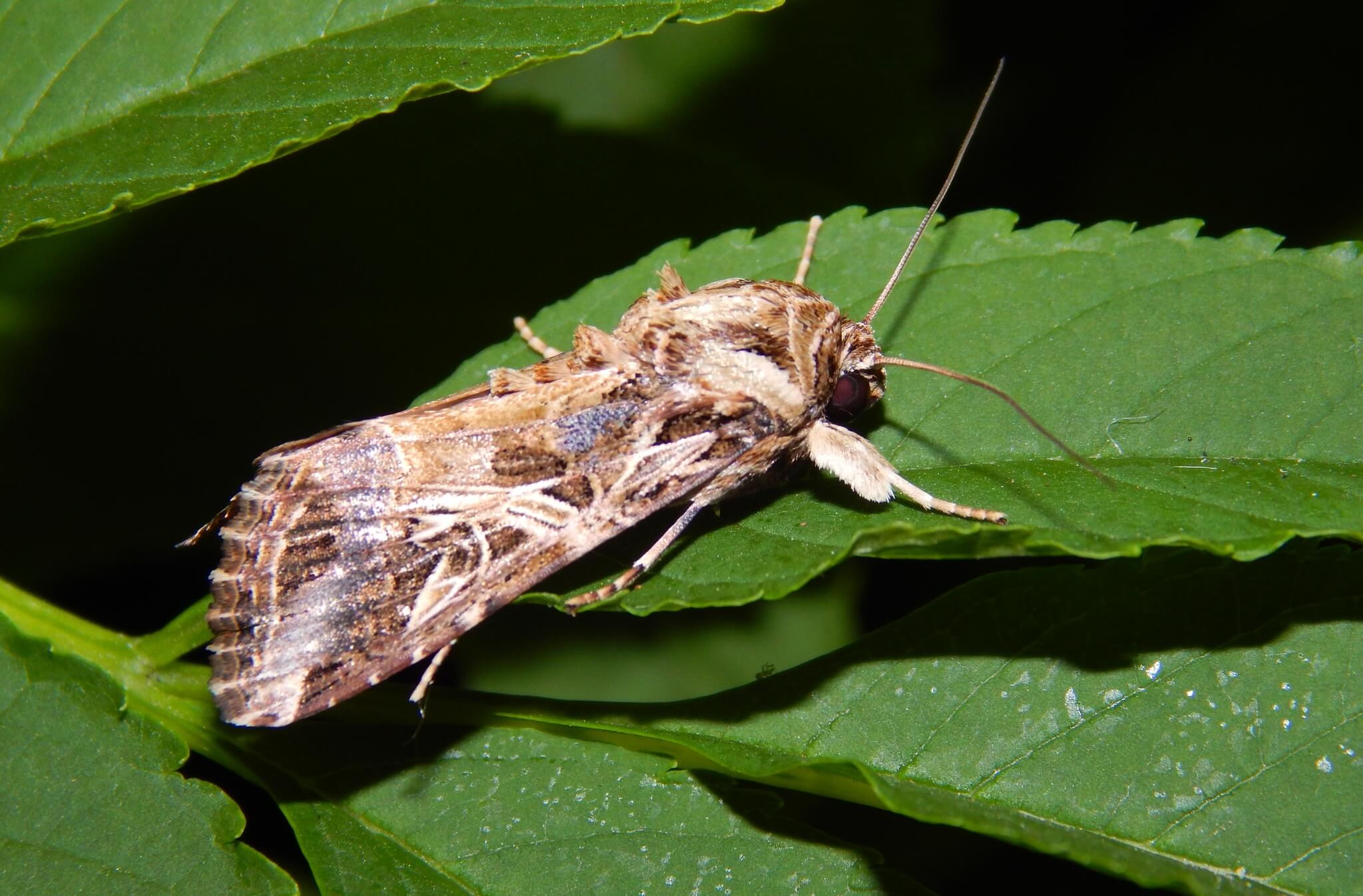
Spodoptera littoralis, known as the black donut or prodenia, is a lepidopteran of the Noctuidae family that causes significant damage to various cultivated plants, including celery. This insect goes through four stages of development: egg, larva, pupa and adult. Adult females lay their eggs in groups on the leaves, which hatch in a few days. The young larvae are light green with dark bands and go through several molts, increasing in size and changing their color as they grow. In the larval phase, which can last between two to three weeks, the larvae feed intensively on the foliage and other tender parts of the plant. Later, the mature larvae descend to the ground to pupate in a silk cocoon mixed with soil particles. After a pupation period that varies depending on temperature, the adults emerge, completing the cycle and giving rise to several generations per year in favorable climates.

1713099015053 (2).png

SYMPTOMS

The disease caused by Spodoptera littoralis in celery, known as black donut or prodenia, manifests itself through direct damage to the aerial parts of the plant. The larvae feed voraciously on the leaves, stems and, occasionally, roots, compromising the integrity and yield of the crop. The first signs of infestation are small holes in the leaves that progress to larger holes and severe damage to plant tissue. As the infestation progresses, plants may experience significant defoliation, affecting their photosynthetic capacity and overall vigor.

- Small perforations on the leaves.
- Large holes in the leaves.
- Severe damage to plant tissue.
- Significant defoliation.
- Reduction of photosynthetic capacity.
- Decrease in the general vigor of the plants.
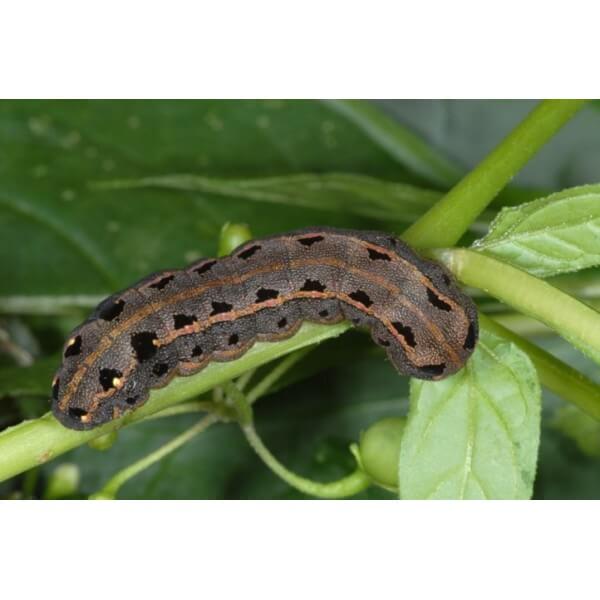
Damage caused by Black Ringworm or Prodenia on Celery
Blackhead or Prodenia on Celery: How to Recognize and Treat It Effectively
Black rosquilla or prodenia on celery | idMicrobe
Online diagnostic service for plant problems and diseases
1709890758650.png

TEMPERATURE AND HUMIDITY

18-30°C

70-90%

1709890758697.png

TRANSMISSION ROUTES

Direct contact, Wind, Contaminated plant material, Agricultural machinery, Dispersion of adults, Transport of infected plants

Do you want to remove this disease? Choose how you want to treat it.

1709890758673.png

TREATMENTS

Chemical treatments

• CHLORANTRANILIPROL 35% [WG] P/P
• DELTAMETHRIN 2.5% [EC] P/V
• Spodoptera littoralis (Pheromone)

Authorized treatments in organic farming

• Spodoptera littoralis (Pheromone)

Biological control

• BACILLUS THURINGIENSIS AIZAWAI (STRAIN GC-91) 50% (3.05 X 10^13 SPORES/KG) [WP] P/P
• BACILLUS THURINGIENSIS AIZAWAI 50% [WG] P/P
• BACILLUS THURINGIENSIS KURSTAKI (STRAIN PB 54) (16x10E6 I.U./G) 8% [WP] P/P
• BACILLUS THURINGIENSIS KURSTAKI (STRAIN PB 54) 32% (32 MILLION IU/G) [WP] P/P
• BACILLUS THURINGIENSIS KURSTAKI (EG 2348) (24x106 I.U./G) 18.3% [SC] P/V
• BACILLUS THURINGIENSIS KURSTAKI (EG 2348) 37.5% [WP] P/P
• Spodoptera littoralis nucleopolyhedrovirus (SpliNPV) (isolate BV-0005) 5 x 10E11 OBs/L [SC] P/V
• STEINERNEMA CARPOCAPSAE (Parasitoid and predatory nematodes)

Recommendations

- Regularly monitor crops to detect the presence of larvae and adults early.
- Use pheromone traps to capture and monitor the adult population.
- Implement crop rotation with plants not susceptible to Spodoptera littoralis.
- Apply treatments with biological insecticides such as Bacillus thuringiensis in the first larval stages.
- Promote the presence of natural enemies such as parasitoid wasps and predators for biological control.
- Manually remove and destroy larvae and severely affected plants to reduce the pest population.
- Maintain adequate field hygiene by eliminating crop residues and weeds that may harbor larvae.
- Avoid excess nitrogen fertilization, as it can favor the development of pests.


Sponsored link

Ecoworm Potassium Soap

Ecoworm Potassium Soap

Multi-purpose solution for insects. Effective against whiteflies, mites, thrips, leafhoppers, aphids and scale insects.

Sponsored link

Fruit Fly Traps

Fruit Fly Traps

Ready-to-use fruit fly trap with attractant.

Sponsored link

Liquid Copper Fungicide

Liquid Copper Fungicide

Copper fungicide for fungal diseases and plant diseases.

Sponsored link

Organic Seaweed Fertiliser

Organic Seaweed Fertiliser

Plant Food Ideal for All Plants, Rich in Additional Nutrients

Sponsored link

Fungus Fighter Plus | Fungicide for Plants

Fungus Fighter Plus | Fungicide for Plants

Broad-spectrum fungicide for effective control of fungal diseases in plants.

Sponsored link

Ultimate Bug Killer | Broad-Spectrum Insecticide

Ultimate Bug Killer | Broad-Spectrum Insecticide

Fast acting bug spray with up to 2 weeks protection, controls common garden pests

*Recommended treatments are still recommendations according to authority databases and in no way replace the guidelines established according to the legislation of each country.

*Products shown are recommendations and not our own products. As Amazon Associates, we earn revenue from purchases of recommended products.

1709890758673.png

TREATMENTS

Homemade remedies

BONE MEAL OR GROUND FISH SHELLS

RUSTY NAILS OR IRON SHAVINGS

BANANA PEELS

EPSOM SALTS (MAGNESIUM SULFATE)

SOLUTION WITH HOUSEHOLD BORAX

GROUND OR BOILED EGGSHELLS

COMPOST WITH ONION OR GARLIC SCRAPS

VEGETABLE COOKING WATER

WOOD ASH

WATER WITH VINEGAR OR LEMON (VERY DILUTED)

GARLIC INFUSION

USED COFFEE OR TEA

BANANA AND EGGSHELL INFUSION

POTATO OR LEGUME COOKING WATER

COMPOST FROM FRESH GREEN LEAVES

COMPOST OR WELL-AGED MANURE

DILUTED MILK (1:10)

BANANA TEA

LEAF COMPOST

NETTLE SLURRY

POTASSIUM SOAP AND NEEM OIL SOLUTION

POTASSIUM SOAP SOLUTION + NEEM OIL + DIATOMACEOUS EARTH

BAKING SODA AND NEUTRAL SOAP SOLUTION

GARLIC INFUSION WITH NEUTRAL SOAP

CHROMATIC OR ADHESIVE TRAPS

DILUTED MILK

HORSETAIL INFUSION

TRUNK WHITEWASHING

DIATOMACEOUS EARTH

WOOD ASH

NETTLE SLURRY

CUT THE AFFECTED BRANCHES AND APPLY CINNAMON

GARLIC AND CINNAMON INFUSION

INFUSION OF WORMWOOD, CHILI OR CHILLI

CLEAN THE AFFECTED AREA AND APPLY ASH PASTE WITH GARLIC OR CINNAMON

GARLIC AND MINT INFUSION

LIGHT TRAPS

APPLY CINNAMON POWDER

PITFALL TRAPS

CRUSHED EGG SHELLS

CLEAN AND SEAL THE WOUND WITH CLAY, CINNAMON AND GARLIC PASTE

GARLIC INFUSION

MATURE COMPOST

TRAPS WITH VINEGAR AND SOAP

SEAL HOLES WITH ASH PASTE AND CRUSHED GARLIC

VINEGAR AND BAKING SODA SOLUTION

ANT TRAP

TAPE TRAP

PHEROMONE TRAP

ALCOHOL TRAPS

FUNNEL TRAP

There are no home treatments

Natural allies

PREDATORY MITES

LADYBUGS

LACEWINGS

PARASITIC WASPS

HOVERFLIES OR PARASITIC FLIES

PREDATORY BUGS

There are no natural allies

Mycodiplosis oidii (predatory mosquito)

Chemical treatments

AGRICULTURAL SULFUR (POWDER OR SOLUBLE)

POTASSIUM FERTILIZERS

MAGNESIUM FERTILIZERS

BORON FERTILIZERS

CALCIUM FERTILIZERS

NITROGEN FERTILIZERS

PHOSPHORUS FERTILIZERS

IRON FERTILIZERS

SULFUR FERTILIZERS

NPK FERTILIZERS

There are no treatments for this disease. Treatments are directed at the insect vectors that transmit it. See insect treatments.

ABAMECTIN 0.0015% + PYRETHRINS 0.02%

RAPESEAL OIL

RAPESEAL OIL + PYRETHRINS

ORANGE OIL 6%

PARAFFIN OIL

ACETAMIPRID

ACETAMIPRID 0.005%

ACETAMIPRID 20%

SULFUR

COPPER 20%

COPPER 25%

COPPER 35%

COPPER 38%

COPPER 50%

COPPER 52%

DELTAMETHRIN 1.57%

DELTAMETHRIN 10%

DELTAMETHRIN 2.5%

DIFENOCONAZOLE 1.67%

ESFENVALERATE 2.5%

ESFENVALERATE 5%

100% GARLIC EXTRACT

PHENHEXAMIDE 50%

FLUPYRADIFURONE

FLUPIRADIFURONE 20%

FOSETIL-AL 80%

FERRIC PHOSPHATE

ALUMINUM PHOSPHIDE 56%

PHOSTIAZATE 10%

PHOSTIAZATE 15%

HEXITIAZOX 10%

POTASSIUM HYDROGEN CARBONATE

LAMBDA CYHALOTHRIN

LAMINARIN 4.5%

METALDEHYDE

PIRACLOSTROBIN 6.7% + BOSCALIDE 26.7%

PYRETHRINS

PYRIPROXIFEN 10%

POTASSIUM SALTS OF UNSATURATED FATTY ACIDS

SPINOSAD 0.024%

SPINOSAD 12%

SPINOSAD 48%

TAU-FLUVALINATE 24%

TETRACONAZOLE 10%

TETRACONAZOLE 12.5%

TETRACONAZOLE 4%

TRICHODERMA ASPERELLUM (STRAIN T34)

1709890758720.png

RECOMMENDATIONS

​

1714749024044.png

REPELLENT PLANTS

​

EFFECTIVE PRODUCTS TO ELIMINATE THIS DISEASE

Sponsored link

Multi-purpose solution for insects. Effective against whiteflies, mites, thrips, leafhoppers, aphids and scale insects.

Ecoworm Potassium Soap

Multi-purpose solution for insects. Effective against whiteflies, mites, thrips, leafhoppers, aphids and scale insects.

Sponsored link

Ready-to-use fruit fly trap with attractant.

Fruit Fly Traps

Ready-to-use fruit fly trap with attractant.

Sponsored link

Copper fungicide for fungal diseases and plant diseases.

Liquid Copper Fungicide

Copper fungicide for fungal diseases and plant diseases.

Sponsored link

Plant Food Ideal for All Plants, Rich in Additional Nutrients

Organic Seaweed Fertiliser

Plant Food Ideal for All Plants, Rich in Additional Nutrients

Sponsored link

Broad-spectrum fungicide for effective control of fungal diseases in plants.

Fungus Fighter Plus | Fungicide for Plants

Broad-spectrum fungicide for effective control of fungal diseases in plants.

Sponsored link

Fast acting bug spray with up to 2 weeks protection, controls common garden pests

Ultimate Bug Killer | Broad-Spectrum Insecticide

Fast acting bug spray with up to 2 weeks protection, controls common garden pests

*Recommended treatments are still recommendations according to authority databases and in no way replace the guidelines established according to the legislation of each country.

*Products shown are recommendations and not our own products. As Amazon Associates, we earn revenue from purchases of recommended products.

Consulting on plant problems and diseases

OTHER PESTS

Fruit with symptoms of calcium deficiency and developmental abnormalities

Calcium deficiency or blossom-end rot

Fruit affected by water stress with symptoms of dehydration and cracking

Water stress

Fruit affected by weevils with holes and surface damage

Weevils

Fruit affected by waterlogging with soft areas and rot

Watery fruits

Fruit affected by bacterial disease with spots and lesions on the surface

Bacterial infection

Fruit affected by fungi with spots, rot and mold

Mycosis

Fruit with symptoms of boron deficiency and developmental deformities

Boron Deficiency

Fruit with sunburn and areas damaged by excessive sun exposure

Excessive sun

Fruit damaged by snails and slugs with bites and eroded areas

Snails and/or slugs

Fruit affected by powdery mildew with spots and presence of white powder

Powdery mildew

Fruit affected by downy mildew with spots and damaged areas

Mildew

Fruit affected by Alternaria with dark spots and areas of rot

Alternaria

Fruit with symptoms of potassium deficiency and ripening disorders

Potassium Deficiency

Fruit affected by monilia with brown spots and rot

Moniliosis or brown rot

Fruit affected by Botrytis with rot and gray mold

Botrytis or gray mold

Fruit affected by bed bugs with bites and spots on the surface

Bed bugs

Fruit damaged by beetles with holes and bites on the surface

Beetles

Fruit affected by anthracnose with dark spots and sunken lesions

Anthracnose

bottom of page