


Symptoms, treatments and recommendations for treating tuta absoluta
Tuta absoluta
Tuta absoluta
Pathogen:
Type:
Insect
Risk:
CRITICAL
Plantas decorativas de jardín y/o interior
Tuta absoluta

WHO CAUSES IT?
Tuta ABSOLUTA, commonly known as tomato moth, is a small moth native to South America that has managed to spread globally, seriously affecting horticultural crops. Its body is elongated, with gray and mottled wings, and a wingspan that does not exceed 10 mm. Adult females deposit eggs singly or in groups on leaves, stems and fruits. Larvae emerge from these eggs and quickly enter the plant tissues, where they remain for most of their development. These larvae go through four stages before pupating, making galleries inside the plant. Pupation can occur inside the plant or in the soil, protected by a cocoon. In warm conditions, the cycle is completed in just over three weeks, allowing for multiple generations per year. This high reproductive rate, together with its ability to develop hidden within the plant tissue, makes its control difficult and favors its rapid expansion.

SYMPTOMS
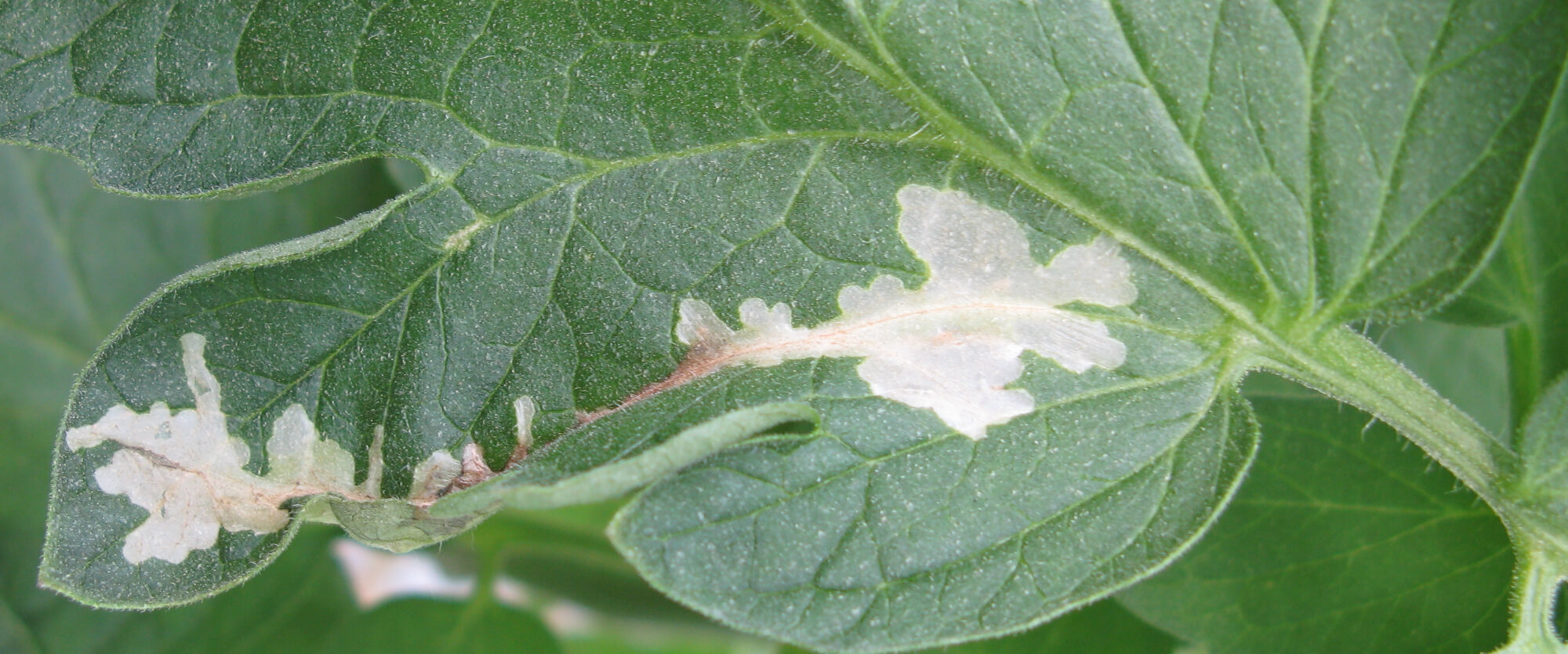
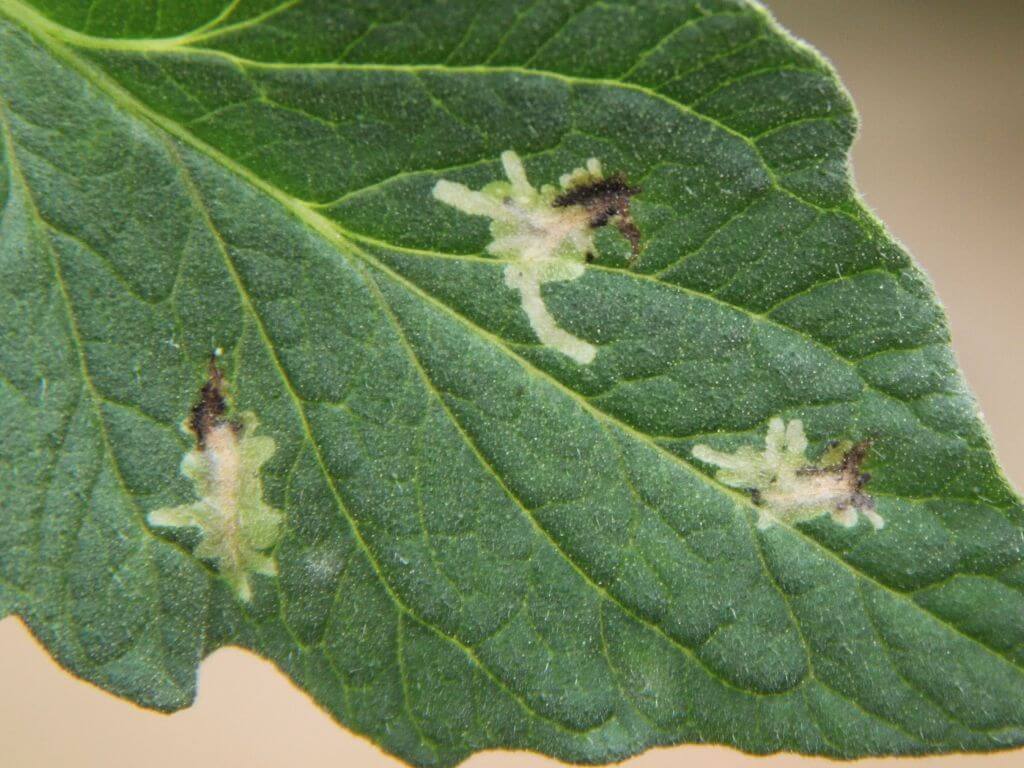
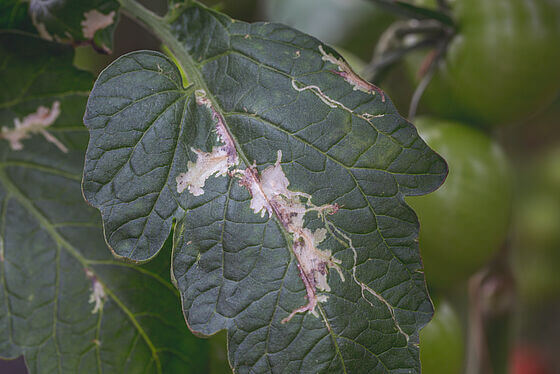
In Plants, Tuta ABSOLUTA causes a devastating disease, especially in tomato crops, although it also affects other solanaceous plants. The larvae pierce leaves, stems and fruits, compromising the physiology of the plant and drastically reducing yield. Internal larval damage prevents early detection, allowing the pathogen to multiply before being noticed. The commercial loss is not only due to direct damage, but also to the decrease in fruit quality and greater vulnerability to secondary infections.
- Sinuous galleries in leaves and stems
- Premature leaf drop due to internal damage
- Visible perforations in fruits with dark excrements
- Localized necrosis in the affected areas
- Dead or deformed terminal shoots
- Presence of whitish larvae inside the fruit or on leaves
- Significant reduction in commercial production


TEMPERATURE AND HUMIDITY
20 °C – 30 °C
30 % – 70 %

TRANSMISSION ROUTES
Infested plants, Contaminated plant material, Wind, Movement of people, Agricultural tools, Transport of products, Neighboring crops
Do you want to remove this disease? Choose how you want to treat it.

TREATMENTS
Chemical treatments
• AZADIRACTIN 1% (AS AZADIRACTIN A) [EC] P/V
• Azadirachtin 2.6% (AS AZADIRACTIN A) [EC] P/V
• CYPERMETHRIN 5% [EC] P/V
• DELTAMETHRIN 1.57% [SC] P/V
• EMAMECTIN 0.855% [SG] P/P
• PYRETHRINS 5% [SC] P/V
• POTASSIUM SALTS OF FATTY ACIDS C14-C20 48% [EW] P/V
• POTASSIUM SALTS OF VEGETABLE FATTY ACIDS 13.04% [SL] P/V
• SPINETORAM 2.5% [SC] P/V
Authorized treatments in organic farming
• AZADIRACTIN 1% (AS AZADIRACTIN A) [EC] W/V
• Azadirachtin 2.6% (AS AZADIRACTIN A) [EC] W/V
• PYRETHRINS 5% [SC] W/V
• POTASSIUM SALTS OF C14-C20 FATTY ACIDS 48% [EW] W/V
• POTASSIUM SALTS OF VEGETABLE FATTY ACIDS 13.04% [SL] W/V
Biological control
• BACILLUS THURINGIENSIS AIZAWAI (STRAIN GC-91) 50% (3.05 X 10^13 SPORES/KG) [WP] P/P
• BACILLUS THURINGIENSIS AIZAWAI 50% [WG] P/P
• BACILLUS THURINGIENSIS KURSTAKI (Strain EG 2348) 22.6% (24 x 10E6 UI/g) [SC] P/V
• BACILLUS THURINGIENSIS KURSTAKI (Strain SA-11) 85% (32 MILLION IU/G) [WG] P/P
• BACILLUS THURINGIENSIS KURSTAKI (SA-12 strain) 18% ((8.5 X 10^12 CFU/KG)) [WG] P/P
• BACILLUS THURINGIENSIS KURSTAKI (EG 2348) 37.5% [WP] P/P
• HETERORHABDITIS BACTERIOPHORA (Parasitoid and predatory nematodes)
• MACROLOPHUS PYGMAEUS
• STEINERNEMA FELTIAE (Parasitoid and predatory nematodes)
Recommendations
- Implement pheromone traps to monitor and reduce the adult population.
- Use anti-insect meshes in greenhouses to prevent the entry of adults.
- Carry out a thorough review of the plant material before introducing it to new plots or greenhouses.
- Eliminate crop remains and weeds that may serve as a refuge or source of reinfestation.
- Apply biological treatments with parasitoids or natural predators such as Trichogramma or Nesidiocoris.
- Promote biodiversity in crops to increase the presence of natural enemies.
- Use plant extracts with repellent or insecticidal action, such as neem, alternately.
- Rotate active ingredients in chemical treatments to avoid the selection of resistant individuals.
- Carry out localized treatments in infestation sources, avoiding general sprays.
- Control the temperature and humidity in the greenhouses to hinder the rapid proliferation of the pest.





*Recommended treatments are still recommendations according to authority databases and in no way replace the guidelines established according to the legislation of each country.
*Products shown are recommendations and not our own products. As Amazon Associates, we earn revenue from purchases of recommended products.

TREATMENTS
Homemade remedies
There are no home treatments
Natural allies
Chemical treatments
There are no treatments for this disease. Treatments are directed at the insect vectors that transmit it. See insect treatments.

RECOMMENDATIONS

REPELLENT PLANTS
EFFECTIVE PRODUCTS TO ELIMINATE THIS DISEASE
*Recommended treatments are still recommendations according to authority databases and in no way replace the guidelines established according to the legislation of each country.
*Products shown are recommendations and not our own products. As Amazon Associates, we earn revenue from purchases of recommended products.



Explore more tools
Services
Contact
Legal
©2023 por ZeriMar Laboratoire. Todos os direitos reservados.