


Symptoms, treatments, and recommendations for treating chlorotic leaf spot virus
Chlorotic Leaf Spot Virus
Apple Chlorotic Leafspot Virus (Aclsv)
Pathogen:
Type:
Virus
Risk:
INTERMEDIATE
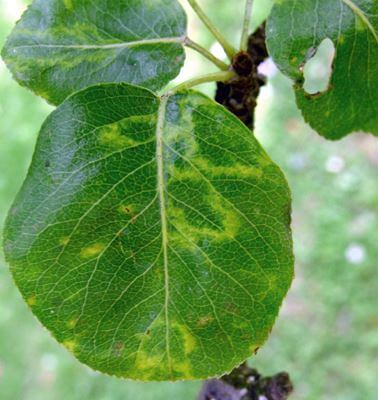
Frutales de pepita
Virus
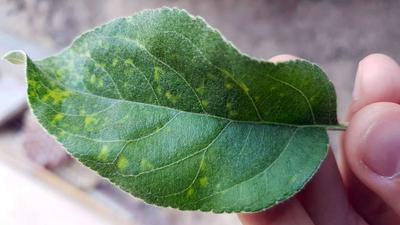

WHO CAUSES IT?
Apple chlorotic leafspot virus (ACLSV) is a single-stranded RNA virus that belongs to the genus Trichovirus, within the family Betaflexiviridae. This virus is common in pome fruit trees and is spread mainly through infected propagating material, such as cuttings and rootstocks. The virus infects the host cells, replicating in the cytoplasm and producing new viral particles that spread through the plant's vascular system. The infection can be asymptomatic or cause variable symptoms depending on the strain of the virus and the susceptibility of the host. In infected cells, the virus travels through the plasmodesmata and moves systematically within the plant. The persistence of the virus in plant material ensures its transmission to new generations of plants.

SYMPTOMS
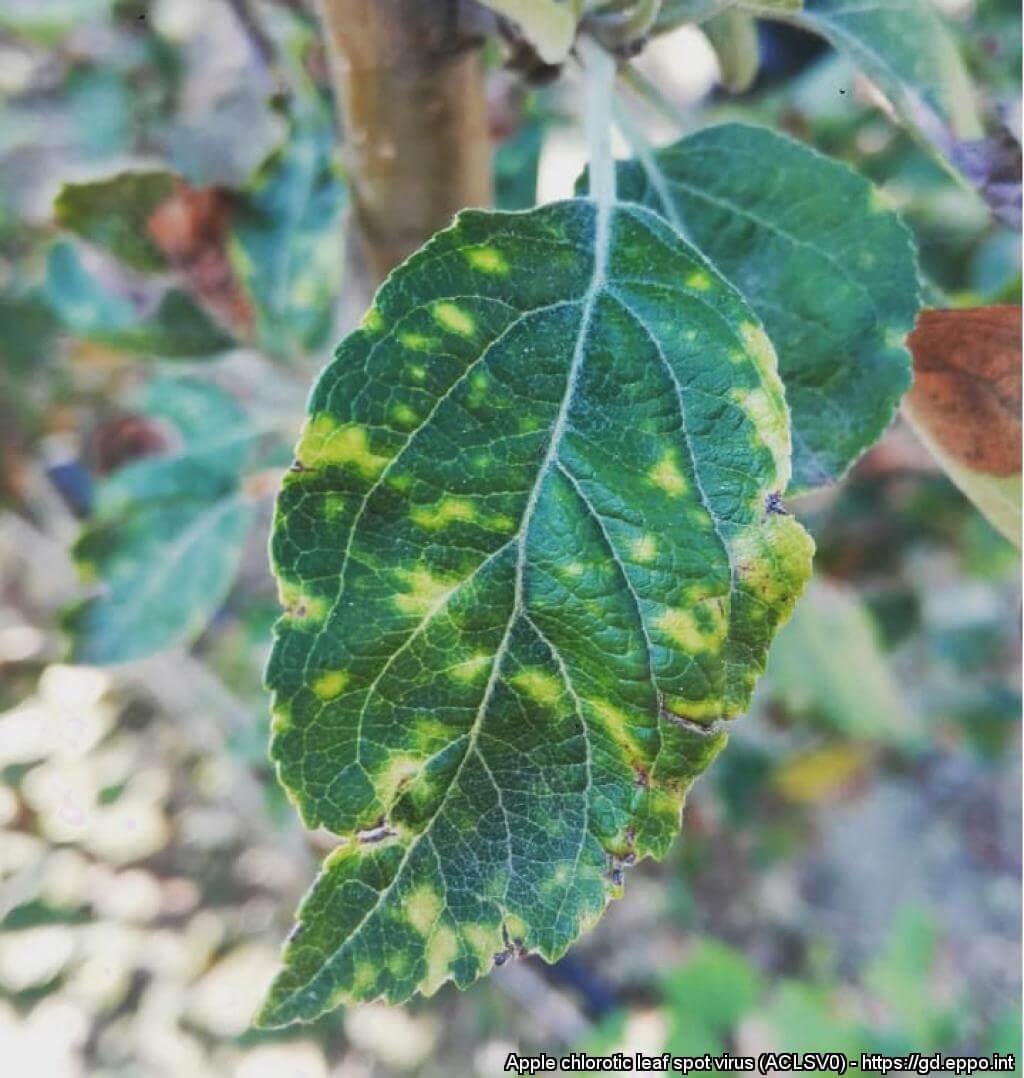
The chlorotic leaf spot virus caused by ACLSV affects pome fruit trees, manifesting itself through various symptoms that can significantly impact the health and productivity of the plants.
- Chlorotic Taches on the leaves.
- Mottling and leaf deformation.
- Decrease in plant vigor.
- Reduction in the size and quality of the fruits.
- Premature fall of leaves.
- General weakening of the plant and increased susceptibility to other infections.


TEMPERATURE AND HUMIDITY
15-25 °C
60-80 %

TRANSMISSION ROUTES
Infected plant material, cuttings, rootstocks, contaminated tools, vegetative propagation
Do you want to remove this disease? Choose how you want to treat it.

TREATMENTS
Chemical treatments
There are no effective treatments against viruses, the treatments are focused on combating the insect or vector carrying the virus (SEE AVAILABLE TREATMENTS AGAINST INSECTS)
Authorized treatments in organic farming
There are no effective treatments against viruses, the treatments are focused on combating the insect or vector carrying the virus (SEE AVAILABLE TREATMENTS AGAINST INSECTS)
Biological control
-
Recommendations
- Use certified virus-free planting material.
- Regularly inspect nurseries and orchards to detect early symptoms of the disease.
- Remove and destroy infected plants to prevent spread.
- Disinfect pruning tools and equipment to avoid mechanical transmission of the virus.
- Implement integrated pest management practices to reduce the presence of potential vectors.
- Carry out periodic diagnostic tests on the propagation material.
- Promote genetic diversity in orchards to reduce the incidence of the disease.
- Avoid the vegetative propagation of plants suspected of being infected.





*Recommended treatments are still recommendations according to authority databases and in no way replace the guidelines established according to the legislation of each country.
*Products shown are recommendations and not our own products. As Amazon Associates, we earn revenue from purchases of recommended products.

TREATMENTS
Homemade remedies
There are no home treatments
Natural allies
Chemical treatments
There are no treatments for this disease. Treatments are directed at the insect vectors that transmit it. See insect treatments.

RECOMMENDATIONS

REPELLENT PLANTS
EFFECTIVE PRODUCTS TO ELIMINATE THIS DISEASE
*Recommended treatments are still recommendations according to authority databases and in no way replace the guidelines established according to the legislation of each country.
*Products shown are recommendations and not our own products. As Amazon Associates, we earn revenue from purchases of recommended products.



Explore more tools
Services
Contact
Legal
©2023 por ZeriMar Laboratoire. Todos os direitos reservados.