


Plantas ornamentales
How to recognize and combat anthracnose in ornamental plants
Anthracnose
Fungus
Type:
Risk to the plant:
INTERMEDIATE
Colletotrichum Sp.
Pathogen:
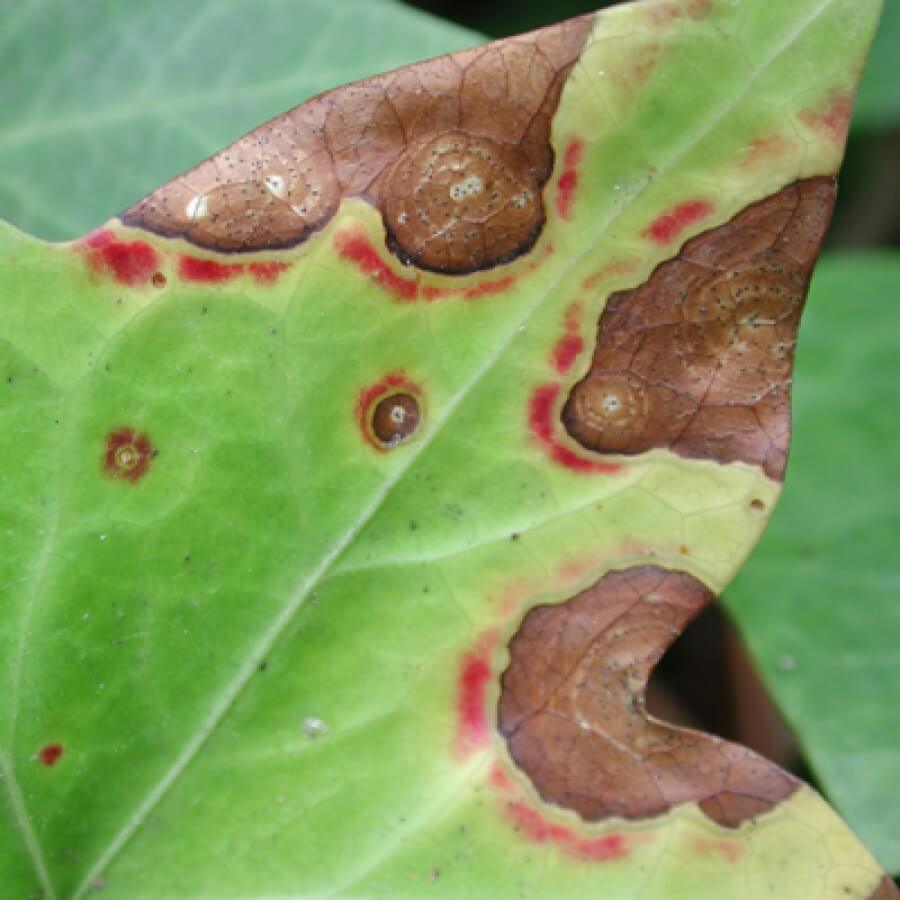
Antracnosis


WHO CAUSES IT?
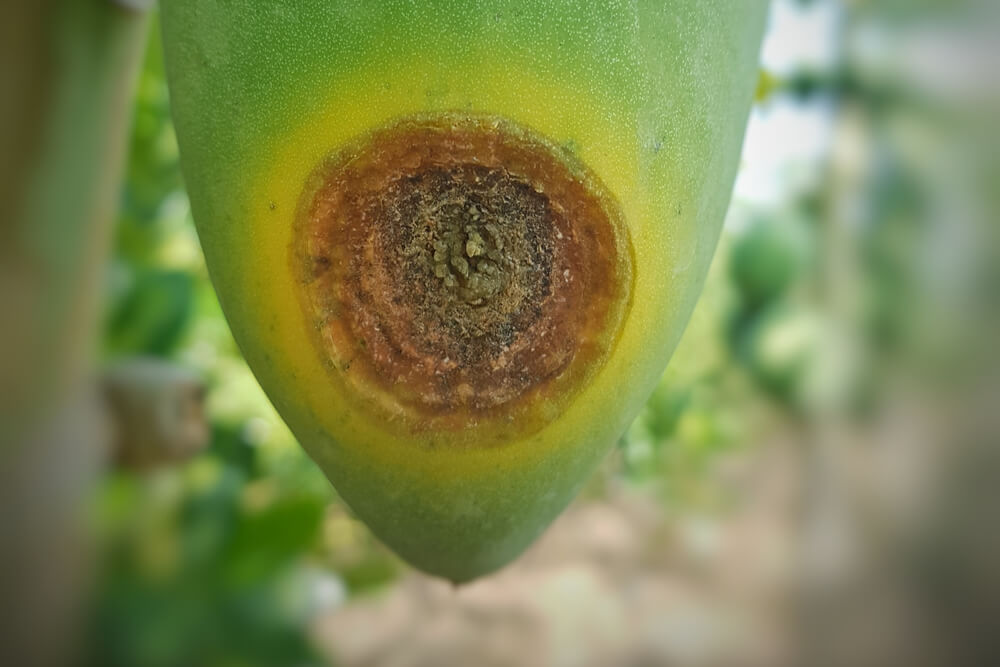
Anthracnose is a fungal disease caused by different species of fungi of the genus Colletotrichum, which affects a wide variety of plants, including ornamental and garden plants. This pathogen is characterized by producing dark Taches on the leaves, stems and fruits of infected plants. These Taches typically have a dark edge and a lighter-colored center, and over time they can expand and merge, causing breakdown of plant tissue and reduced plant yield.

SYMPTOMS
Anthracnose in ornamental and garden plants causes symptoms such as dark leaf Taches, necrotic lesions on stems and branches, as well as rotting of fruits and flowers. These symptoms can lead to premature defoliation, deformation of the shoots and loss of vigor of the plant, which negatively affects its aesthetic appearance and general health.


DEVELOPMENT CONDITIONS
Temperature:
20°C - 30°C
Humidity:
70% - 90%

HOW IS IT SPREAD?
Rain, water splashes, direct contact with infected plant material, insect vectors.

HOW TO ELIMINATE IT?
Home treatments
There are no home treatments
Natural allies
Chemical treatments
There are no treatments for this disease. Treatments are directed at the insect vectors that transmit it. See insect treatments.
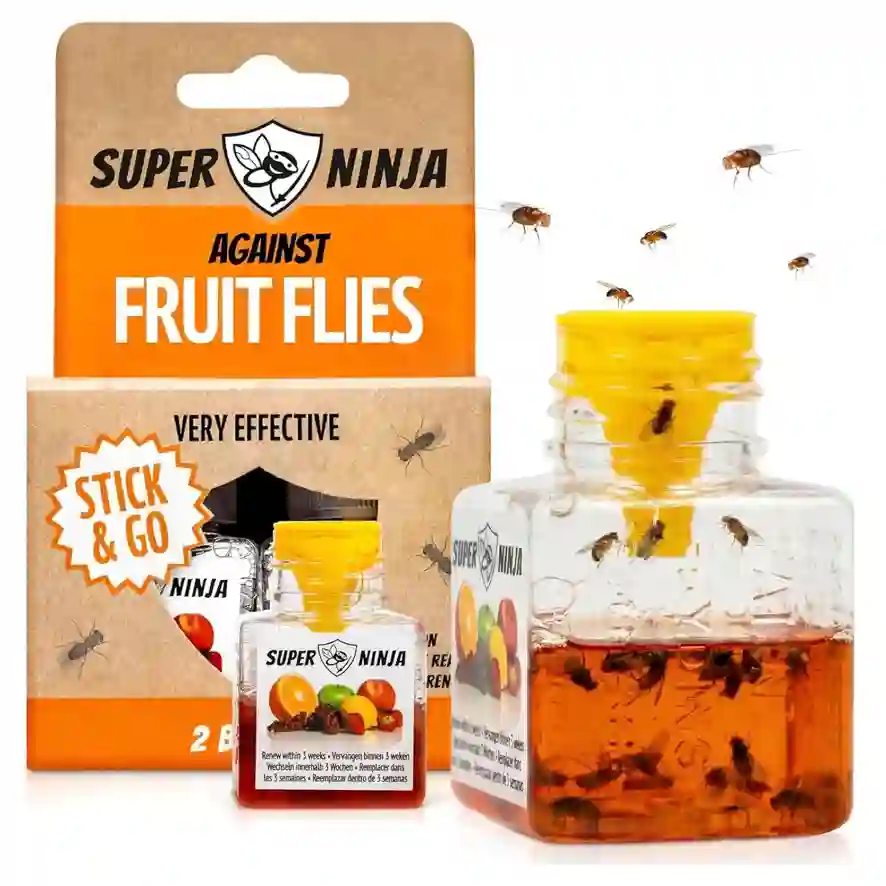
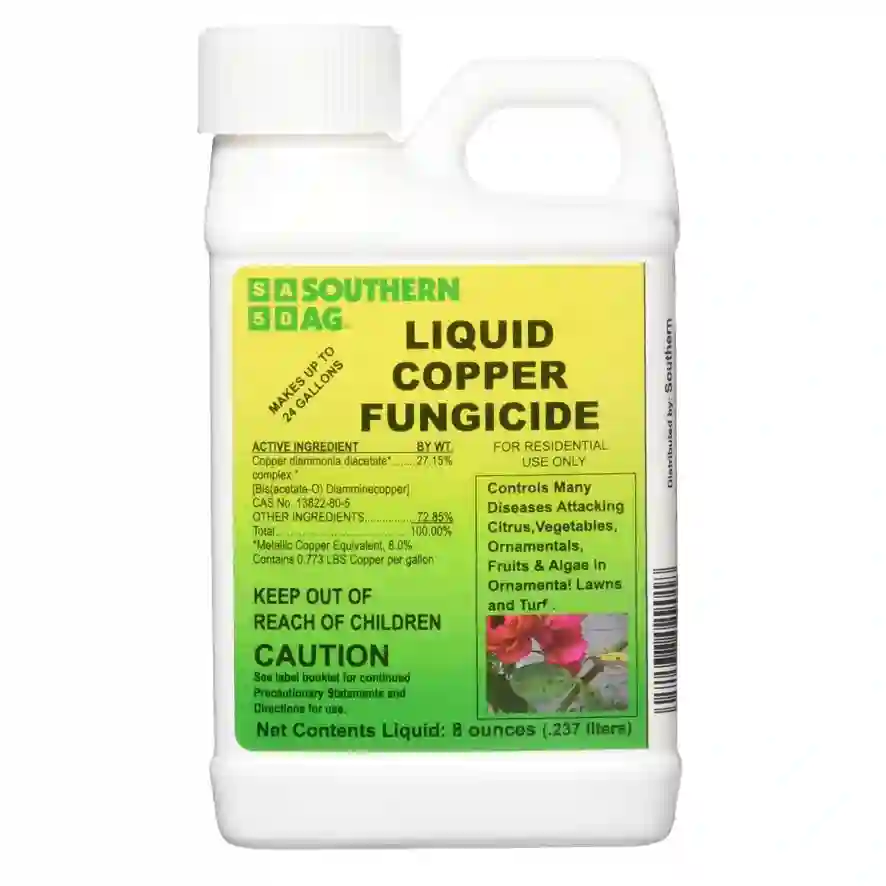
RECOMMENDED PRODUCTS TO ELIMINATE THE PEST



REPELLENT PLANTS

RECOMMENDATIONS
OTHER PESTS THAT MAY INTEREST YOU


DID YOU LIKE IT?
All this and much more, just a click away. TRY idMicrobe NOW!



Explore more tools
Services
Contact
Legal
©2023 by ZeriMar Laboratoire. All rights reserved.