

Plantas decorativas de jardín y/o interior
How to recognize and combat red spider mites on decorative garden and/or indoor plants
Red Spider
Insect
Type:
Risk to the plant:
HIGH
Tetranychus Urticae
Pathogen:
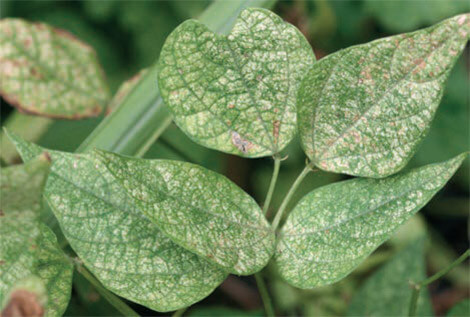
Araña roja


WHO CAUSES IT?
Tetranychus urticae, commonly known as spider mite, is a tiny mite that infests various plants. Adult females deposit their spherical, transparent eggs on the lower surface of the leaves. These eggs hatch within a few days, giving rise to six-legged larvae that quickly transform into eight-legged nymphs. Nymphs go through two instars before becoming adults. This development can be completed in less than a week under favorable conditions, allowing spider mite populations to multiply rapidly. Adult females, reddish or greenish-yellow in color with two dark dorsal Taches, can live for several weeks, during which they lay hundreds of eggs, thus ensuring the continuity of the infestation.
.png)
SYMPTOMS
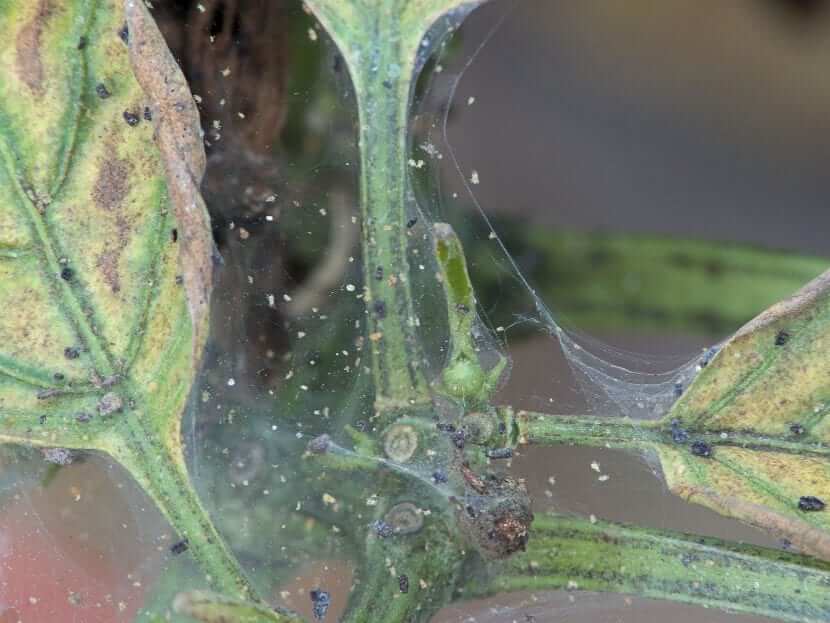
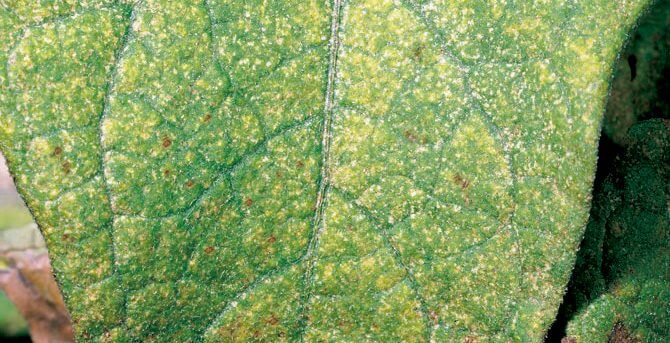
Infestation by Tetranychus urticae in plants causes the disease known as red spider, which weakens and severely damages plants. These mites feed by sucking the cellular contents of the leaves, which reduces the photosynthetic capacity and causes considerable stress in the plants. Symptoms of this disease include:
- Appearance of yellow or tan Taches on the leaves.
- Discolored and dry leaves.
- Mottled or spotted leaf tissues.
- Premature loss of leaves.
- Reduction of plant vigor and growth.
- Presence of fine cobwebs on the underside of the leaves and between the shoots.
- Visible damage to shoots and fruits, especially in cases of severe infestations.


DEVELOPMENT CONDITIONS
Temperature:
20°C - 30°C
Humidity:
40% - 60%

HOW IS IT SPREAD?
Wind, contaminated garden tools, direct contact between plants, exchange of infected plants, flying insects

HOW TO ELIMINATE IT?
Home treatments
There are no home treatments
Natural allies
Chemical treatments
There are no treatments for this disease. Treatments are directed at the insect vectors that transmit it. See insect treatments.
RECOMMENDED PRODUCTS TO ELIMINATE THE PEST
Sponsored link
Sponsored link
Sponsored link


Sponsored link
Sponsored link
Effective against all types of fungi

Sponsored link


Sponsored link
Sponsored link

Sponsored link


Sponsored link
Sponsored link
Sponsored link


Sponsored link

REPELLENT PLANTS

RECOMMENDATIONS
OTHER PESTS THAT MAY INTEREST YOU


DID YOU LIKE IT?
All this and much more, just a click away. TRY idMicrobe NOW!


