

Plantas decorativas de jardín y/o interior
How to recognize and combat snails and slugs on decorative garden and/or indoor plants
Snails And/Or Slugs
Snails And Slugs
Type:
Risk to the plant:
INTERMEDIATE
Snails And/Or Slugs
Pathogen:
Caracoles y/o babosas


WHO CAUSES IT?
Snails and slugs are gastropod mollusks that play an important role in the ecosystem, but they can also be significant pests in agriculture and gardening. These organisms have a life cycle that includes the egg, juvenile and adult phases. The eggs are generally laid in the ground, under stones or in other moist and protected places. After a few days to several weeks, depending on environmental conditions, the eggs hatch and juveniles emerge, which are miniature versions of the adults. During this stage, juveniles begin to actively feed on plant and organic matter. As they grow, they go through several molts before reaching sexual maturity. Adults can live several months and even years, and during their reproductive life, they can lay hundreds of eggs, thus contributing to the rapid proliferation of their population. These mollusks are especially active at night or on cloudy, humid days, as they require humid conditions to prevent desiccation.
.png)
SYMPTOMS
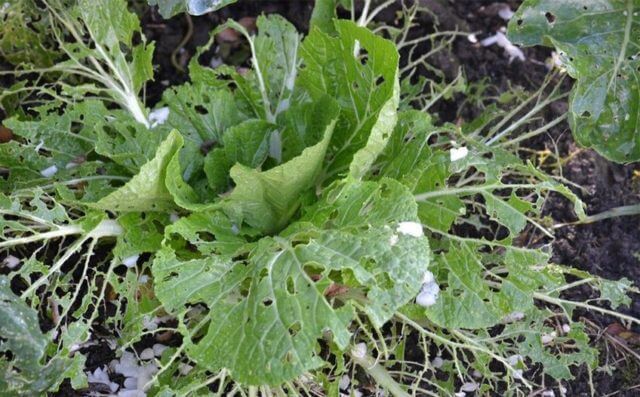
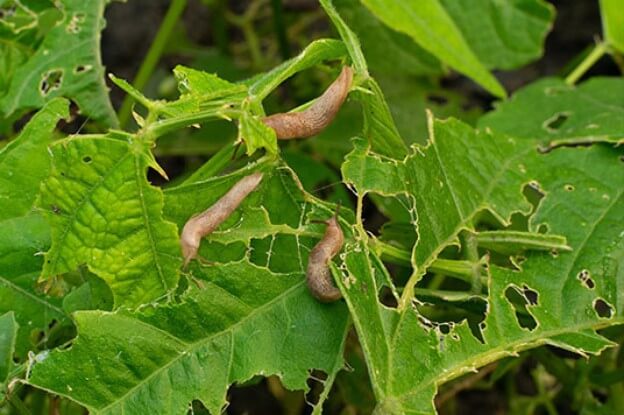
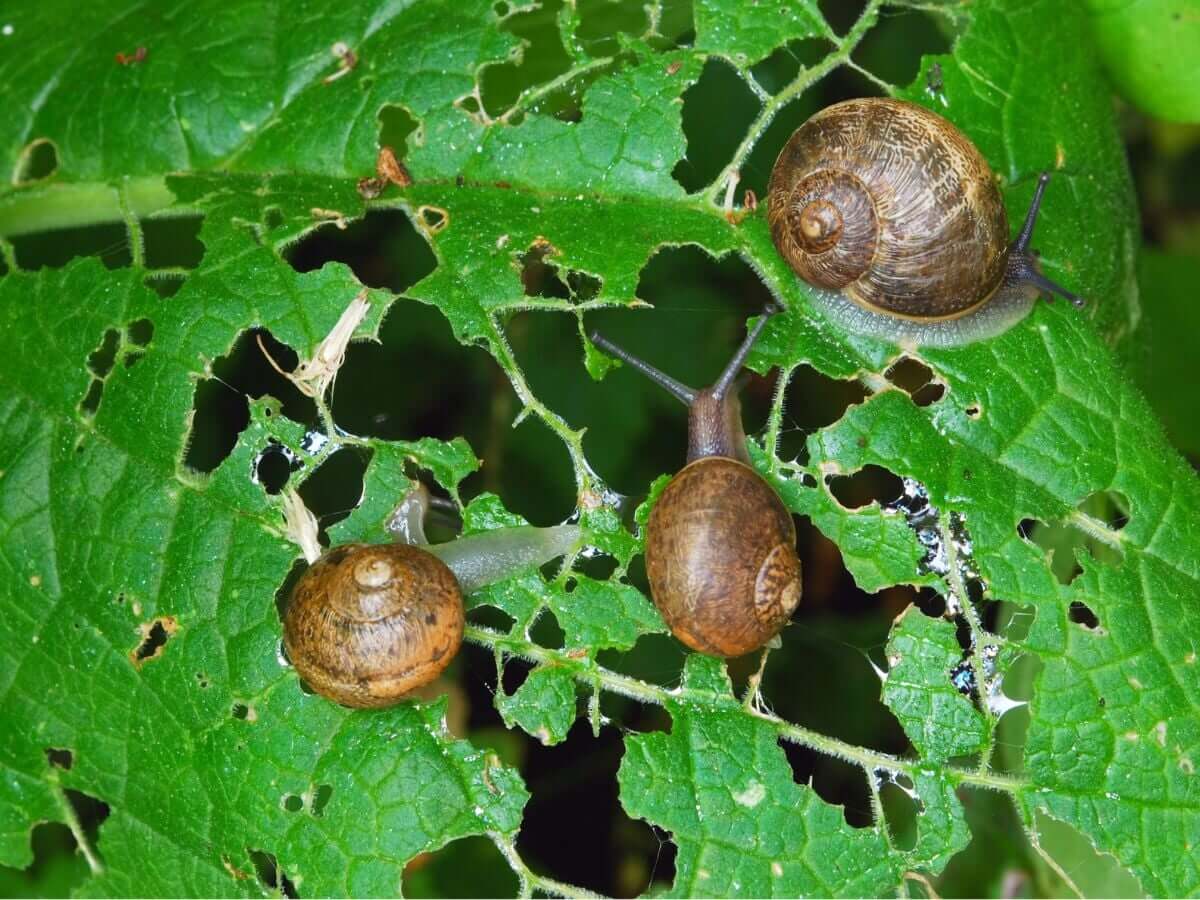
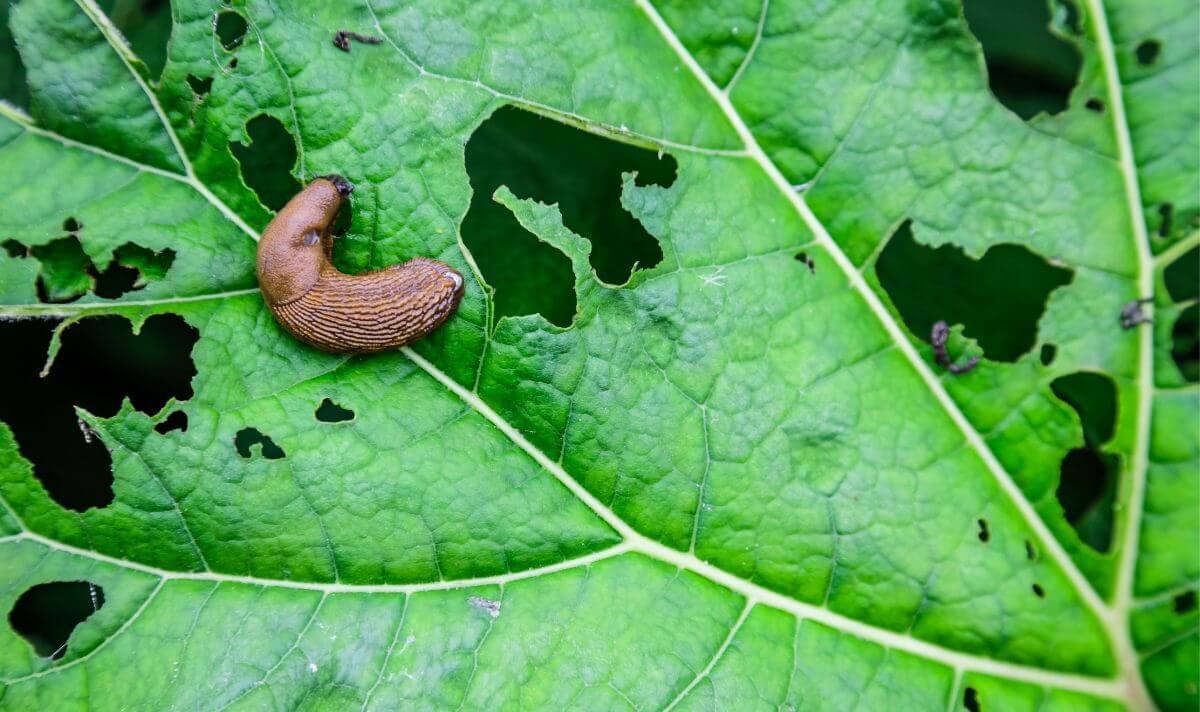
Snails and slugs cause significant damage to plants, affecting their growth and yield. These pests feed on leaves, stems, flowers and fruits, leaving behind trails of slime and chewed tissue. The damage is especially noticeable on seedlings and young plants, which may be completely defoliated. Furthermore, their feeding can cause wounds that facilitate the entry of secondary pathogens, aggravating the condition of the affected plants.
- Irregular holes in the leaves and flowers.
- Chewed edges of the leaves.
- Presence of traces of slime on the plants and surrounding soil.
- Damage to seedlings and young plants, sometimes resulting in their death.
- Food brands on fruits and vegetables, reducing their commercial value.
- Appearance of secondary diseases due to the wounds caused.
- Delayed growth or deformations in plants.


DEVELOPMENT CONDITIONS
Temperature:
10°C a 25°C
Humidity:
70% a 90%

HOW IS IT SPREAD?
Movements of the mollusks themselves, Contamination with agricultural tools and machinery, Infested plant material, Contaminated irrigation water

HOW TO ELIMINATE IT?
Home treatments
There are no home treatments
Natural allies
Chemical treatments
There are no treatments for this disease. Treatments are directed at the insect vectors that transmit it. See insect treatments.
RECOMMENDED PRODUCTS TO ELIMINATE THE PEST
Sponsored link

Sponsored link
Sponsored link


Sponsored link
Sponsored link
Effective against all types of fungi

Sponsored link


Sponsored link
Sponsored link

Sponsored link


Sponsored link
Sponsored link
Sponsored link


Sponsored link

REPELLENT PLANTS

RECOMMENDATIONS
OTHER PESTS THAT MAY INTEREST YOU


DID YOU LIKE IT?
All this and much more, just a click away. TRY idMicrobe NOW!


