


Olivo de verdeo / almanzara
How to recognize and combat sooty scale in olive trees
Sooty Mealybug
Insect
Type:
Risk to the plant:
MILD
Saissetia Oleae
Pathogen:
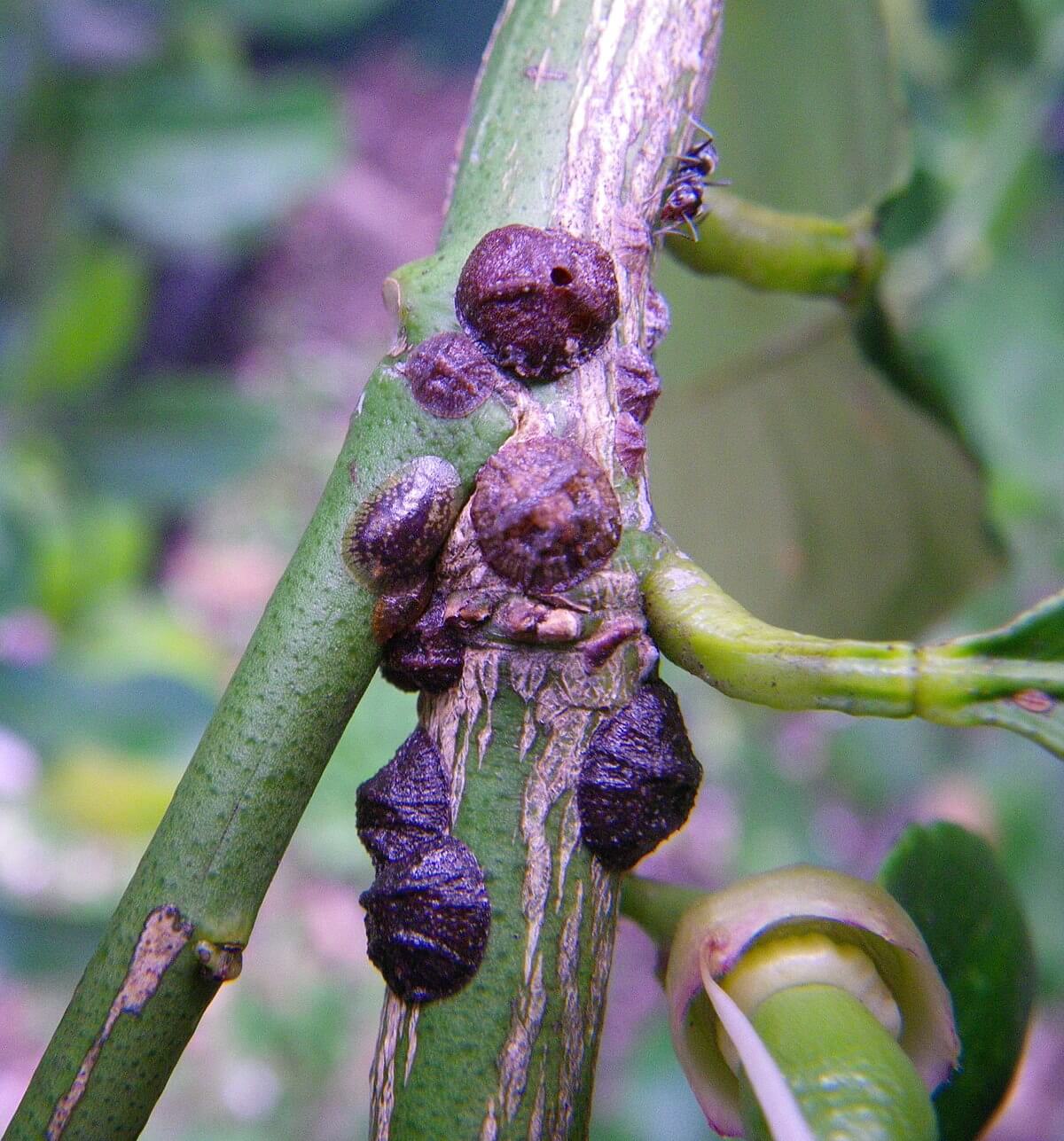
Cochinillas


WHO CAUSES IT?
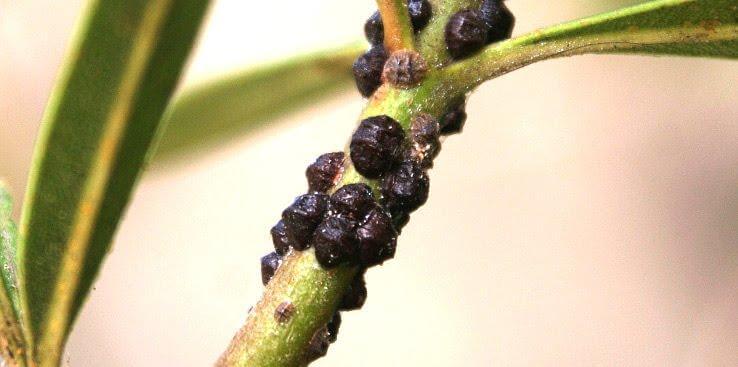
Saissetia oleae, commonly known as the sooty mealybug, is a species of scale insect that affects olive trees. These insects feed on plant sap, causing weakening and stress to the trees. Additionally, they produce a sticky substance called honeydew, which serves as a growth medium for the sooty mold fungus. Sooty mealybug reproduction can be sexual or asexual, and females can lay up to 500 eggs in a single season.

SYMPTOMS
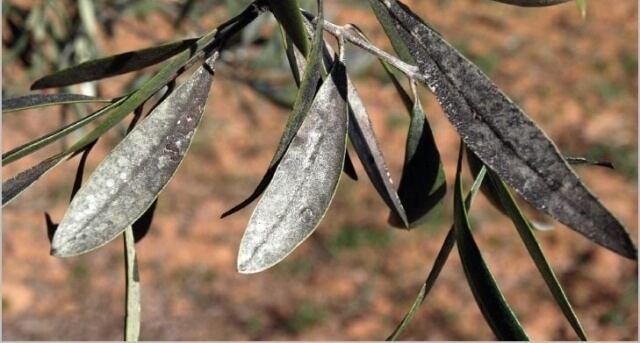
The disease that occurs in olive trees is characterized by the presence of honeydew on the branches and leaves, which gives rise to the formation of a layer of black fungus known as sooty mold. This affects the plant's photosynthesis, as the sooty layer blocks sunlight.
• Presence of honeydew on branches and leaves.
• Formation of a layer of soot on the molasses.
• Loss of vigor in the plant.
• Decrease in the quality and quantity of the olive harvest.
• Branches and leaves weakened and yellowed.


DEVELOPMENT CONDITIONS
Temperature:
20°C - 30°C
Humidity:
50% - 70%

HOW IS IT SPREAD?
Insect movements, contact with infected plants, contaminated pruning tools.

HOW TO ELIMINATE IT?
Home treatments
There are no home treatments
Natural allies
Chemical treatments
There are no treatments for this disease. Treatments are directed at the insect vectors that transmit it. See insect treatments.
RECOMMENDED PRODUCTS TO ELIMINATE THE PEST





REPELLENT PLANTS

RECOMMENDATIONS
OTHER PESTS THAT MAY INTEREST YOU


DID YOU LIKE IT?
All this and much more, just a click away. TRY idMicrobe NOW!



Explore more tools
Services
Contact
Legal
©2023 by ZeriMar Laboratoire. All rights reserved.