


Frambuesa
How to recognize and combat purple spot or raspberry spur blight
Purple Spot Or Raspberry Spur Blight
Fungus
Type:
Risk to the plant:
INTERMEDIATE
Didymella Applanata
Pathogen:
Micosis/Hongos


WHO CAUSES IT?
Didymella applanata is a fungus that causes the disease known as purple spot or spur blight on raspberries. This fungus overwinters in the remains of infected plants and in lesions on canes. During spring and summer, when moisture conditions are favorable, the fungus produces fruiting structures known as pycnidia in the lesions. These pycnidia release conidia, which are asexual spores spread by splashing water and wind. Conidia germinate on the surface of the canes and young leaves of raspberries, penetrating through wounds or directly through the epidermis. The fungus grows intercellularly, developing fungal structures that destroy host cells and form new lesions. These lesions expand and develop additional pycnidia, completing the infection cycle and ensuring the spread of the pathogen. In addition, the fungus can survive in soil and crop residues for several years, facilitating the perpetuation of the disease from one season to the next.
.png)
SYMPTOMS
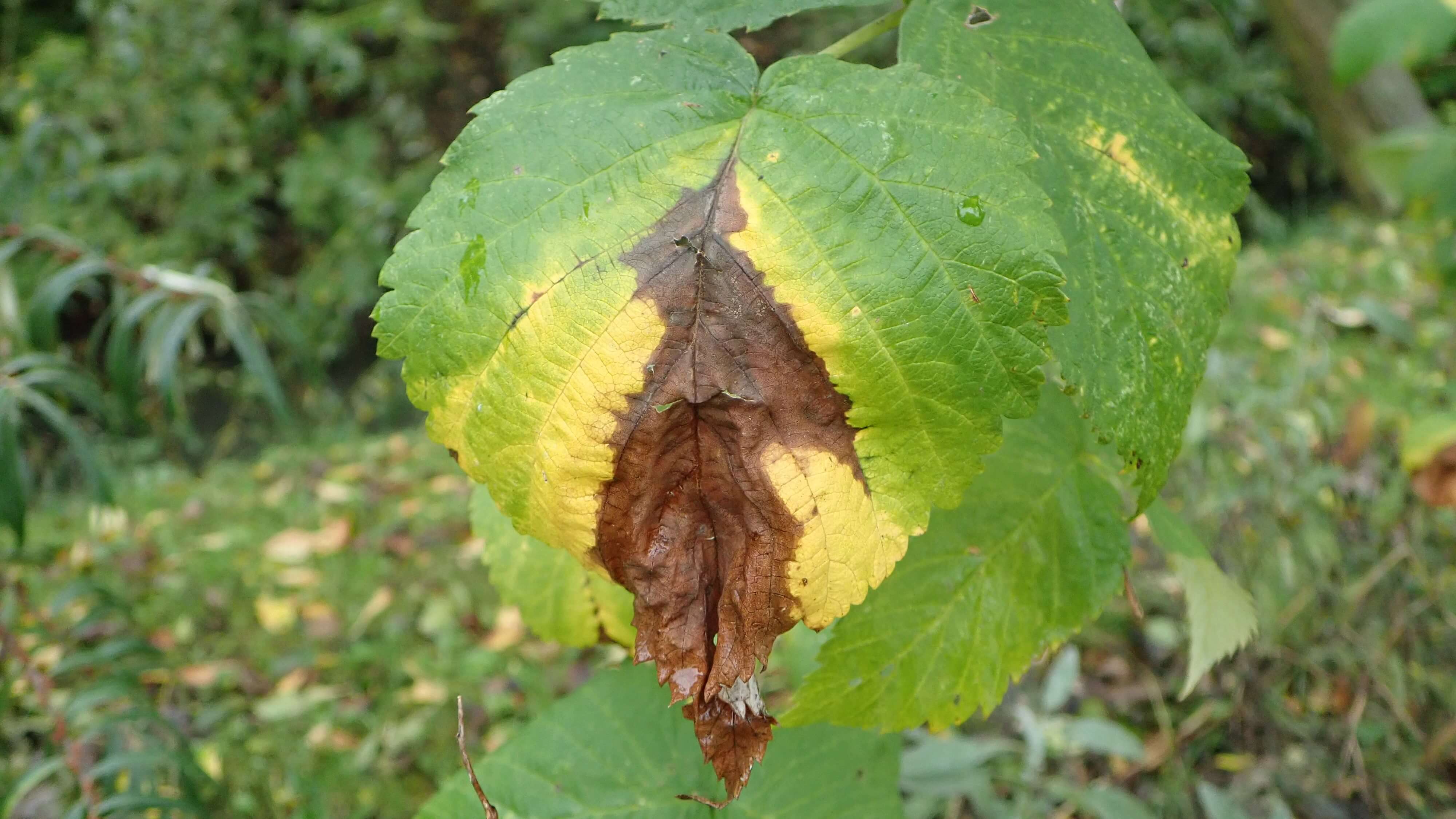
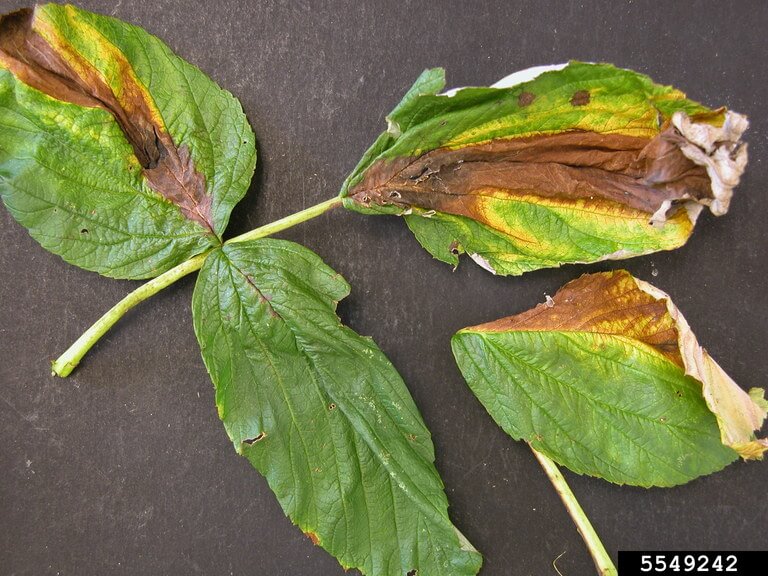
Purple spot or spur blight mainly affects raspberry canes, causing a reduction in productivity and fruit quality. Initial infection occurs in young leaves and canes, spreading throughout the growing season. Infected canes show a characteristic discoloration that varies from purple to dark brown, affecting photosynthesis and plant vitality.
- Purple Taches on the leaves and canes.
- Elliptical lesions on the canes that expand and darken over time.
- Appearance of black pycnidia in the lesions.
- Premature leaf fall.
- Loss of vigor and productivity in affected plants.
- Regressive death of severely infected canes.
- Reduction in the size and quality of the fruits produced.


DEVELOPMENT CONDITIONS
Temperature:
15°C - 25°C
Humidity:
70% - 90%

HOW IS IT SPREAD?
Wind, water splashes, contaminated agricultural tools, infected plant remains, contaminated soil

HOW TO ELIMINATE IT?
Home treatments
There are no home treatments
Natural allies
Chemical treatments
There are no treatments for this disease. Treatments are directed at the insect vectors that transmit it. See insect treatments.
RECOMMENDED PRODUCTS TO ELIMINATE THE PEST



REPELLENT PLANTS

RECOMMENDATIONS
OTHER PESTS THAT MAY INTEREST YOU


DID YOU LIKE IT?
All this and much more, just a click away. TRY idMicrobe NOW!



Explore more tools
Services
Contact
Legal
©2023 by ZeriMar Laboratoire. All rights reserved.