


Algodón
How to recognize and combat fall armyworm in cotton
Fall Armyworm, Corn Bollworm
Insect
Type:
Risk to the plant:
HIGH
Spodoptera Frugiperda
Pathogen:

Orugas o gusanos


WHO CAUSES IT?
Spodoptera frugiperda, known as the bollworm or corn bollworm, is a major pest that affects a variety of crops, including cotton. This insect goes through several stages of development: egg, larva, pupa and adult. Adult females deposit their eggs in groups on the surface of the leaves of host plants. Once they hatch, the larvae emerge and feed on the leaves and tender shoots of the plants. During their larval stage, they can cause serious damage to crops, as they are voracious devourers of foliage. After several molts, the larvae enter the pupal stage, where they transform into flying adults. These adults reproduce and the life cycle continues.

SYMPTOMS
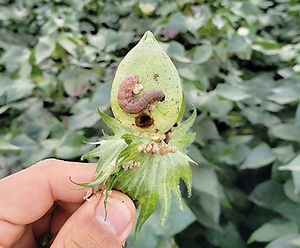
In cotton, infestation by Spodoptera frugiperda causes the disease known as bollworm. General symptoms include:
• Damage to the leaves, which become torn and perforated.
• Damage to tender shoots and flower buds, which may result in loss of yield.
• Presence of larval excrement, which may be visible on the leaves.


DEVELOPMENT CONDITIONS
Temperature:
20ºC - 32ºC
Humidity:
70% - 90%

HOW IS IT SPREAD?
Wind, movement of larvae or pupae on agricultural equipment, migration of adults.

HOW TO ELIMINATE IT?
Home treatments
There are no home treatments
Natural allies
Chemical treatments
There are no treatments for this disease. Treatments are directed at the insect vectors that transmit it. See insect treatments.
RECOMMENDED PRODUCTS TO ELIMINATE THE PEST





REPELLENT PLANTS

RECOMMENDATIONS
OTHER PESTS THAT MAY INTEREST YOU


DID YOU LIKE IT?
All this and much more, just a click away. TRY idMicrobe NOW!



Explore more tools
Services
Contact
Legal
©2023 by ZeriMar Laboratoire. All rights reserved.