


Melocotón, durazno o nectarina
How to recognize and combat peach worms in nectarines
Big-Headed Worm
Insect
Type:
Risk to the plant:
CRITICAL
Capnodis Tenebrionis
Pathogen:
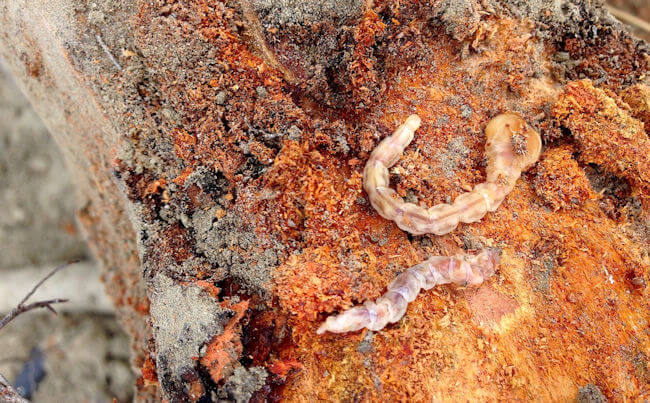
Orugas o gusanos


WHO CAUSES IT?
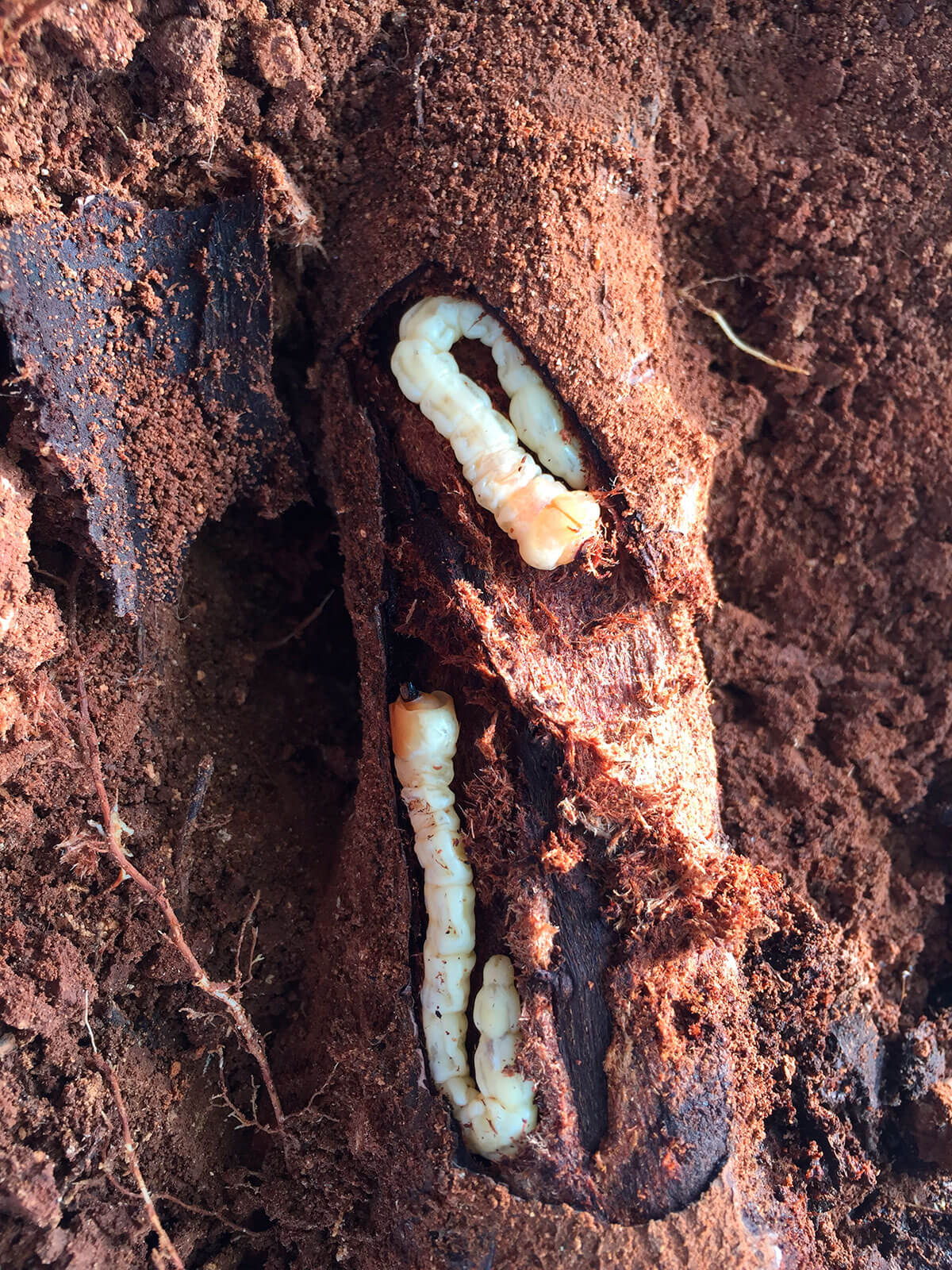
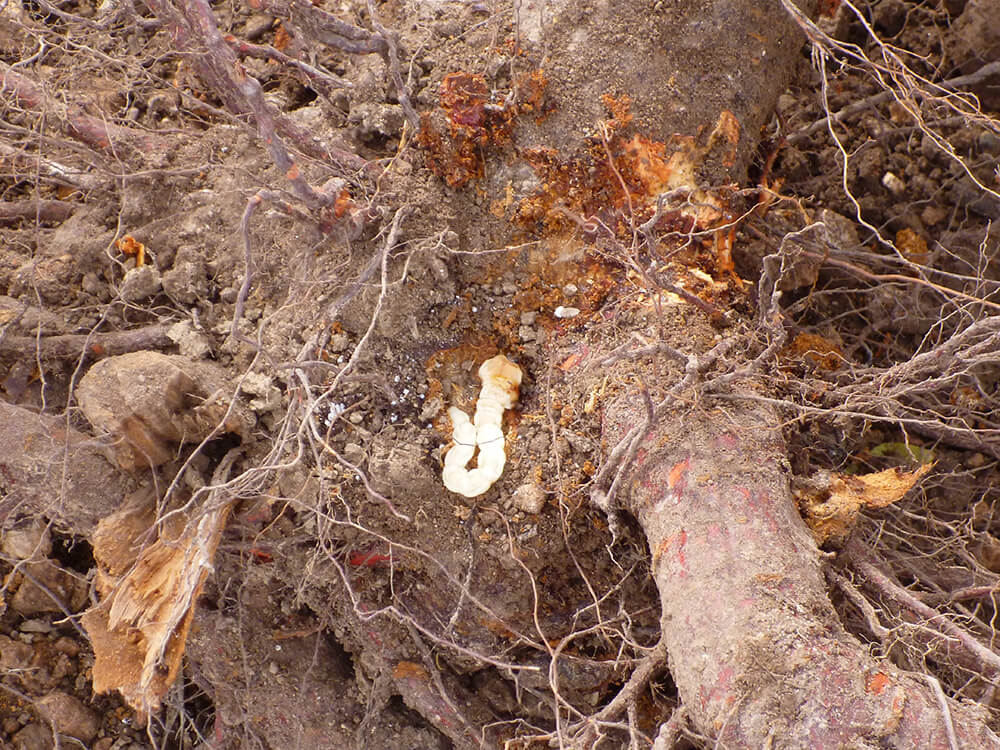
The pathogen Capnodis tenebrionis, commonly known as the big-headed worm, is a beetle that belongs to the Buprestidae family. This insect has an adult and a larval phase, with the larva being the most harmful to crops. The adults, which emerge in spring and summer, feed on the leaves of the host trees, making small holes. Females lay their eggs on the ground near the base of trees. The larvae emerge and penetrate the roots and base of the trunk, where they excavate galleries while feeding on plant tissue. This underground feeding process can last several years, depending on environmental conditions and the condition of the affected trees. After completing their development, the larvae pupate in the soil and emerge as adults, thus restarting the cycle. The longevity of the adults and the ability of the larvae to survive inside the trees make this insect a particularly destructive and difficult to control pest.

SYMPTOMS
In peach, peach or nectarine, the presence of Capnodis tenebrionis produces a disease known as bigheaded worm, which causes progressive weakening of the tree due to damage to the roots and trunk. Symptoms include reduced growth, chlorotic and wilting foliage, and in severe cases, tree death. The activity of the larvae in the roots and the base of the trunk prevents the absorption of water and nutrients, seriously affecting the vitality of the tree.
- Reduced tree growth
- Chlorotic and withered foliage
- General weakening of the tree
- Galleries in roots and trunk
- Loss of leaves
- Death of the tree in severe cases
- Reduction in fruit production



DEVELOPMENT CONDITIONS
Temperature:
20-30°C
Humidity:
50-70%

HOW IS IT SPREAD?
Flying adults, contaminated soil, cultivation tools, infested plants, irrigation water

HOW TO ELIMINATE IT?
Home treatments
There are no home treatments
Natural allies
Chemical treatments
There are no treatments for this disease. Treatments are directed at the insect vectors that transmit it. See insect treatments.
RECOMMENDED PRODUCTS TO ELIMINATE THE PEST





REPELLENT PLANTS

RECOMMENDATIONS
OTHER PESTS THAT MAY INTEREST YOU


DID YOU LIKE IT?
All this and much more, just a click away. TRY idMicrobe NOW!



Explore more tools
Services
Contact
Legal
©2023 by ZeriMar Laboratoire. All rights reserved.