


Vid
How to recognize and combat the European grape moth or bunch moth in grapes
Cluster Moth Or European Moth
Insect
Type:
Risk to the plant:
HIGH
Lobesia Botrana
Pathogen:
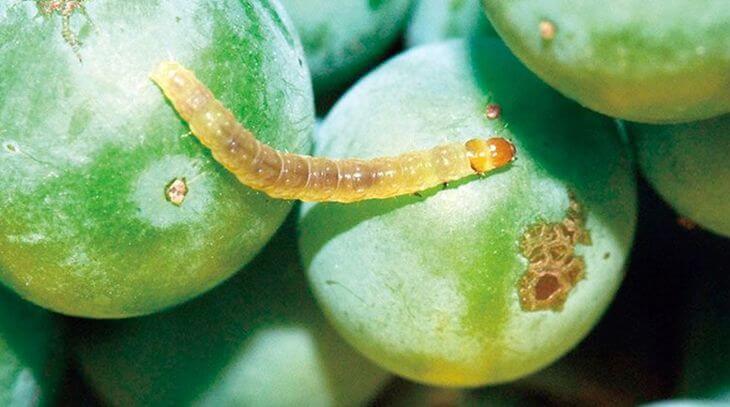
Polillas


WHO CAUSES IT?
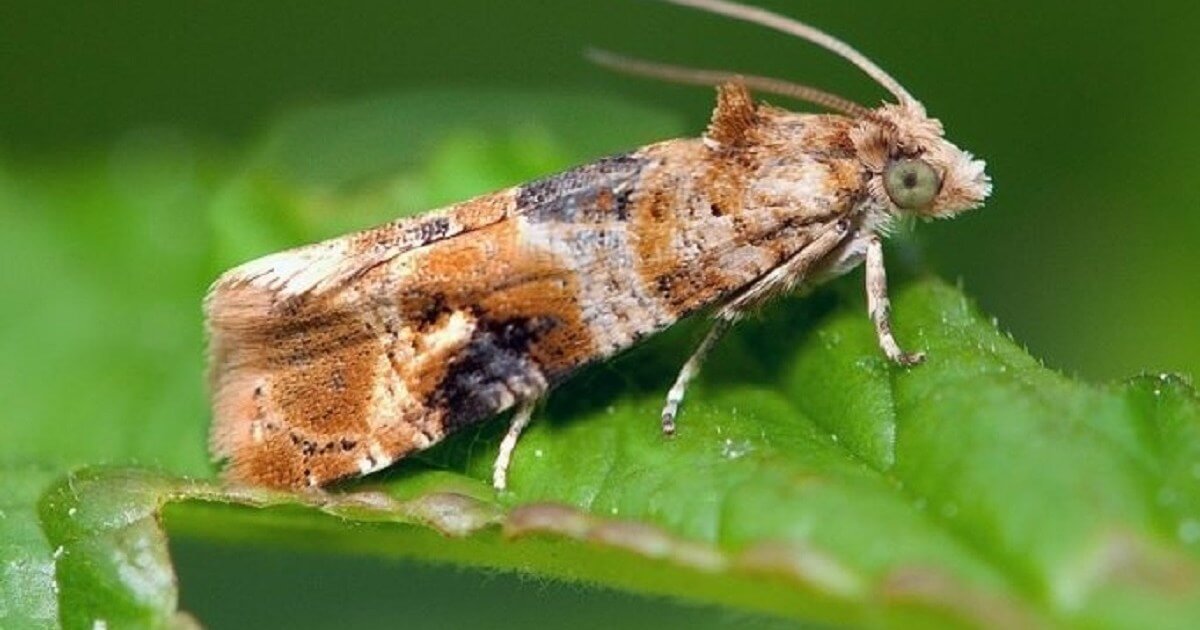
*Lobesia botrana*, commonly known as the cluster moth or European moth, is a lepidopteran that represents one of the most important pests for the vine. Its development goes through several phases, beginning with the laying of eggs in the inflorescences or clusters of the vine. The larvae emerge and begin to feed on floral tissues or berries, causing direct damage to the clusters. Throughout its development, the moth goes through 3 to 5 generations annually, depending on climatic conditions. The larvae pupate in the soil or in the bark of the vine, where they transform into adults. The adults are small moths that restart the reproductive cycle. During the colder months, the moth enters a diapause phase as a pupa, allowing it to survive until the next spring. Favorable conditions, such as warm temperatures and the continuous presence of hosts, allow rapid spread and increase of populations.
.png)
SYMPTOMS
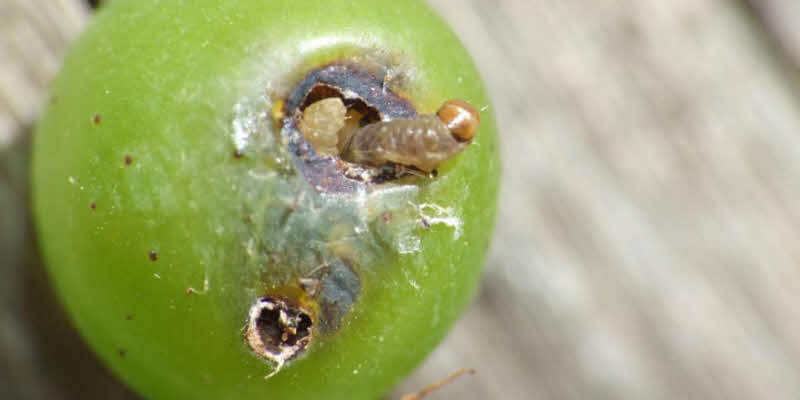
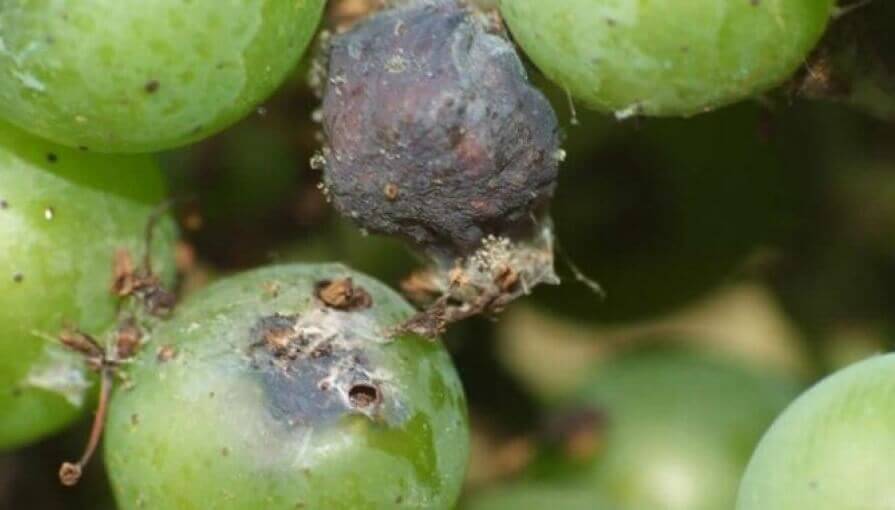
The infestation of *Lobesia botrana* in the vine causes significant damage to the clusters, directly affecting the quality and quantity of production. The larvae feed on flowers and berries, creating wounds that encourage the entry of secondary pathogens, such as fungi that cause rot. In addition to physical damage, affected grapes are more susceptible to fungal diseases, which further compromises fruit production and quality.
- Visible damage to the vine inflorescences.
- Drilling and destruction of young berries.
- Drying and premature fall of damaged fruits.
- Appearance of gray rot in the clusters due to secondary infections.
- Reduction in total crop yield.
- Loss of quality in fruits due to wounds caused by larvae feeding.


DEVELOPMENT CONDITIONS
Temperature:
18°C - 30°C
Humidity:
70% - 90%

HOW IS IT SPREAD?
Wind, movement of infected plants, crop remains, dispersal of flying adults

HOW TO ELIMINATE IT?
Home treatments
There are no home treatments
Natural allies
Chemical treatments
There are no treatments for this disease. Treatments are directed at the insect vectors that transmit it. See insect treatments.
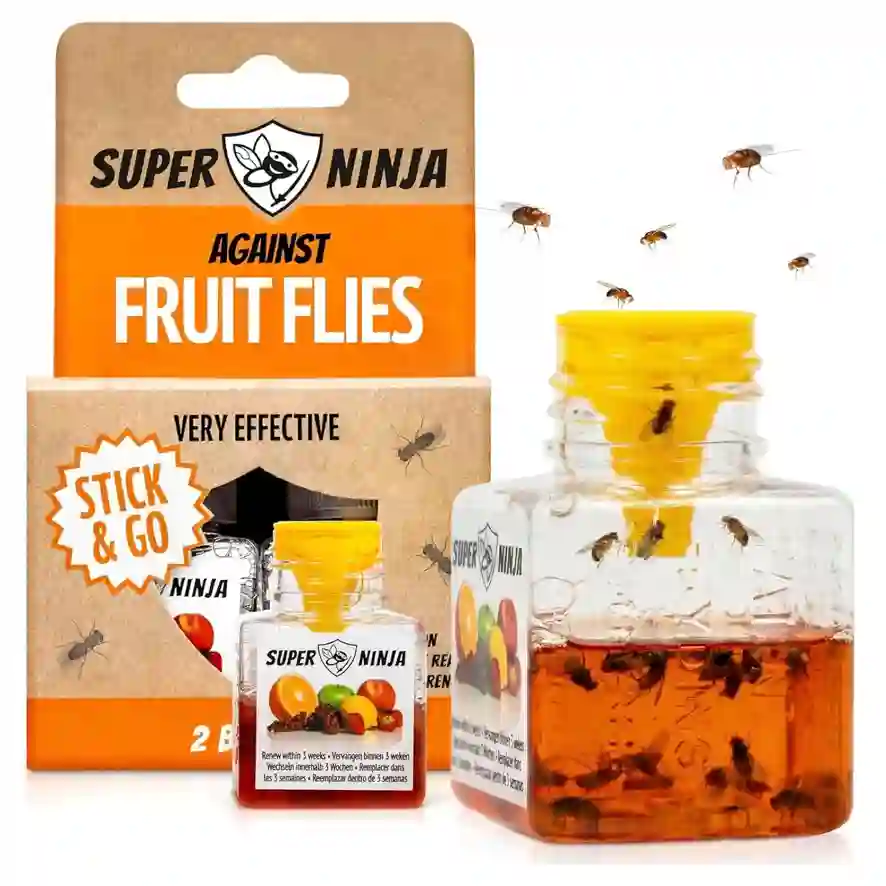
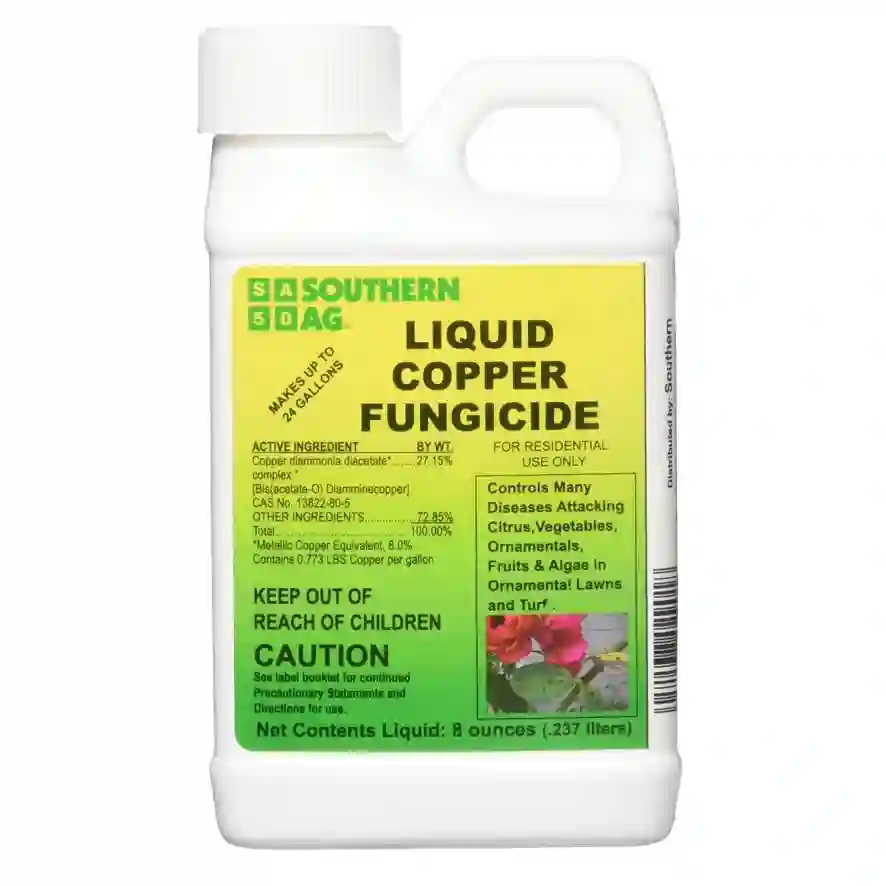
RECOMMENDED PRODUCTS TO ELIMINATE THE PEST



REPELLENT PLANTS

RECOMMENDATIONS
OTHER PESTS THAT MAY INTEREST YOU


DID YOU LIKE IT?
All this and much more, just a click away. TRY idMicrobe NOW!



Explore more tools
Services
Contact
Legal
©2023 by ZeriMar Laboratoire. All rights reserved.