


Calabaza
How to recognize and combat bacterial spot on pumpkin
Bacterial Stain
Bacterium
Type:
Risk to the plant:
HIGH
Xanthomonas Cucirbitae
Pathogen:
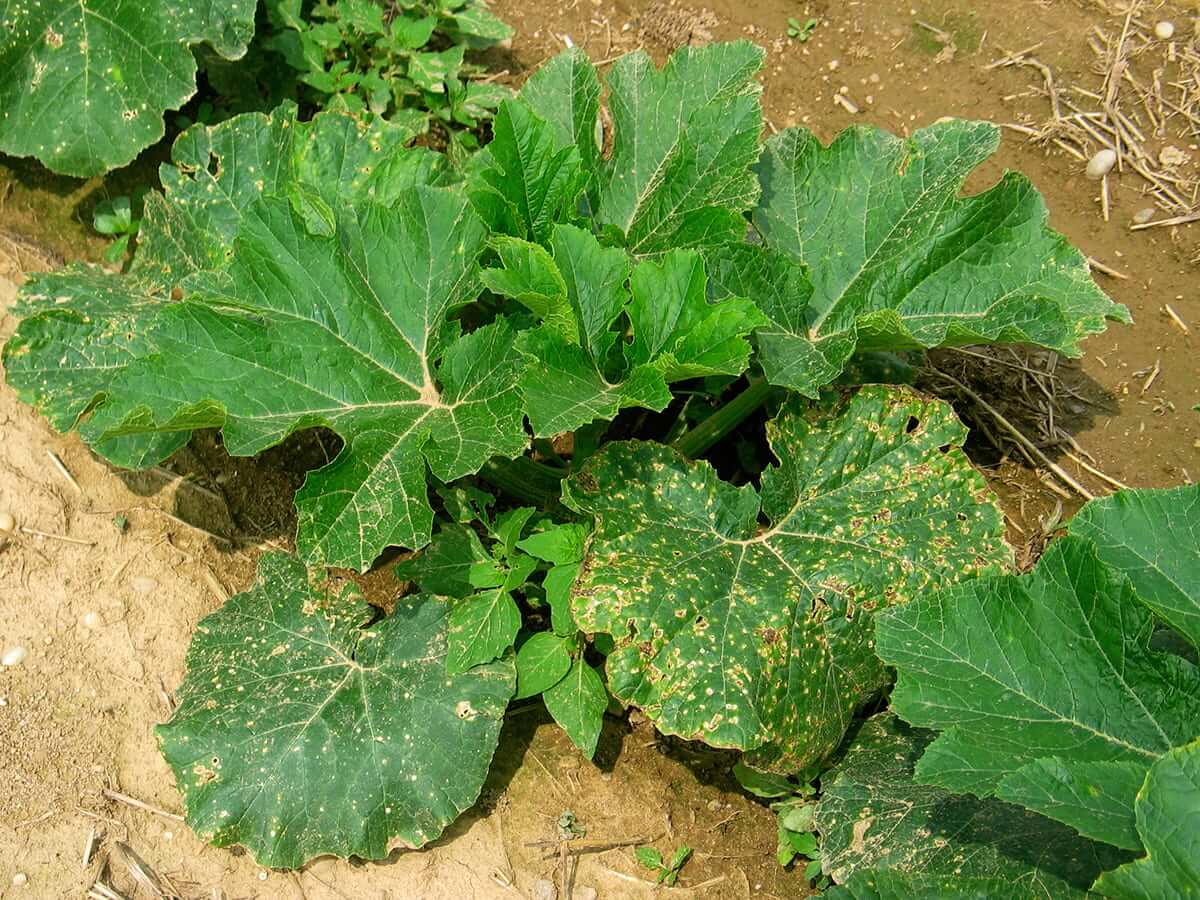
Bacteriosis


WHO CAUSES IT?
Xanthomonas cucurbitacearum is a Gram-negative bacteria belonging to the genus Xanthomonas. This pathogen mainly affects cucurbits, including pumpkin. The bacteria enters plants through stomata or wounds and spreads in the intercellular tissues, causing necrosis and Taches on the leaves, stems and fruits. Infection generally begins under conditions of high humidity and moderate to high temperature. The bacteria can survive in infected plant remains and contaminated seeds, which facilitates its dispersal to new growing areas. Spread is favored by water splashes, contaminated tools and wind, especially during rains.

SYMPTOMS
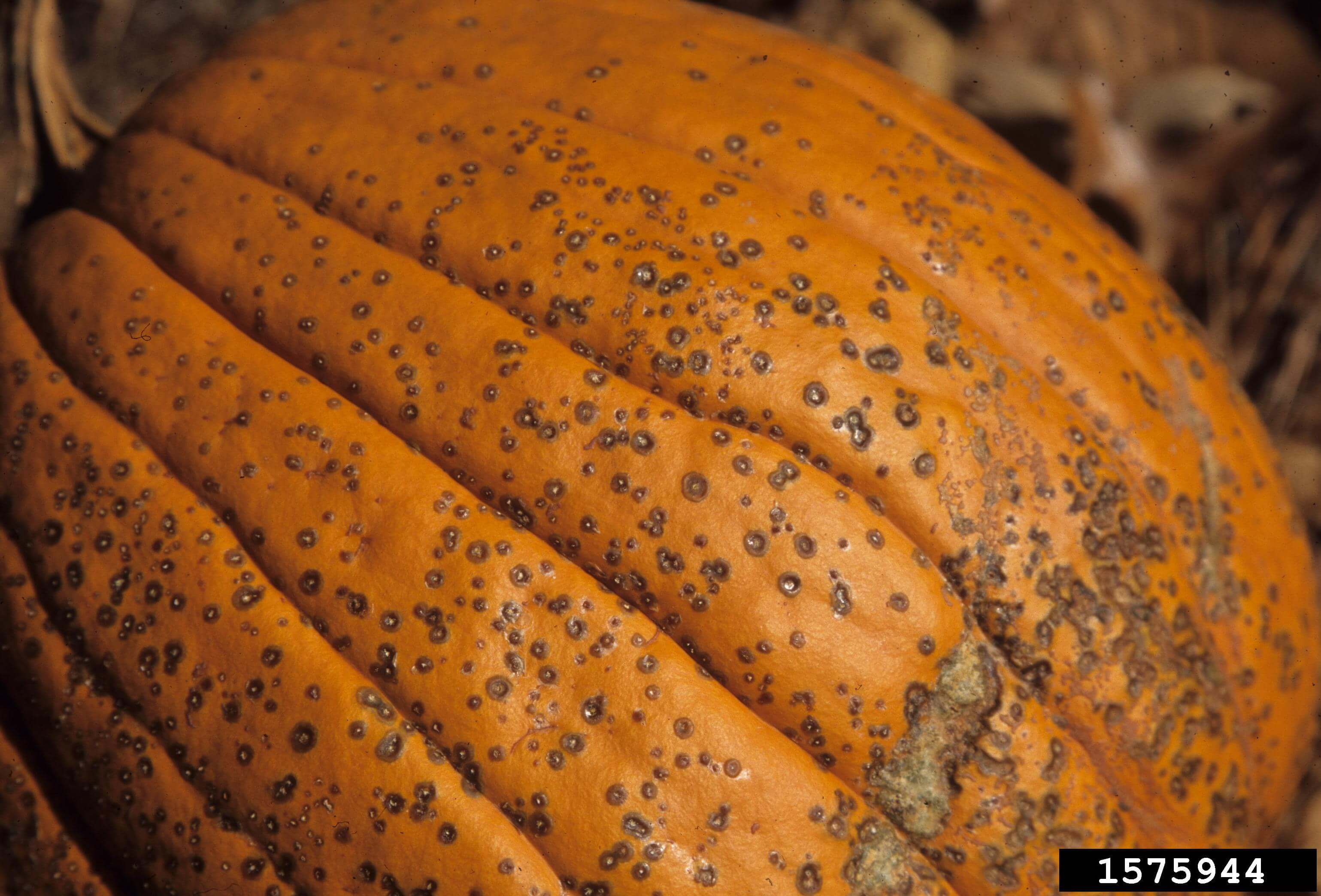
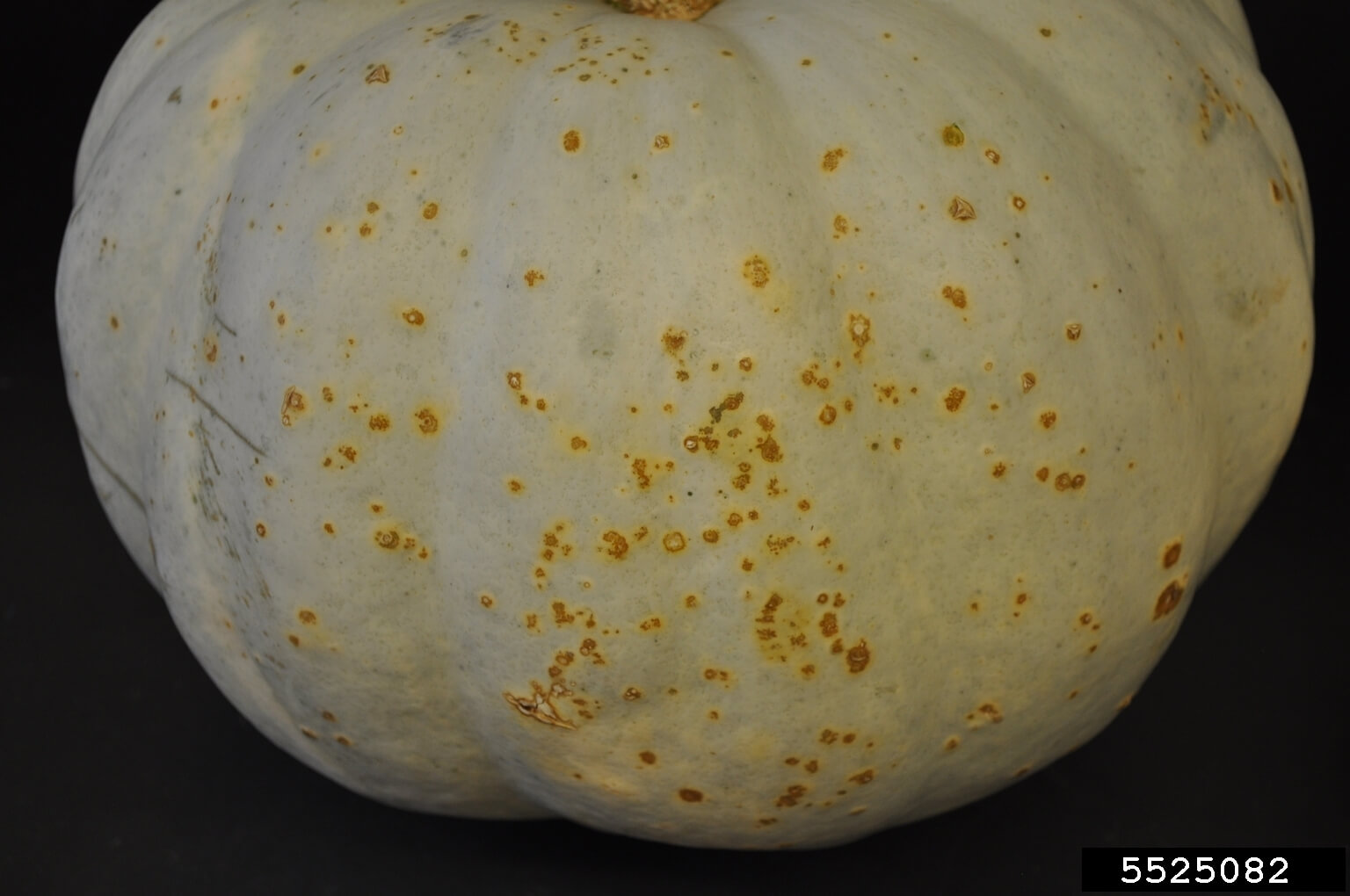
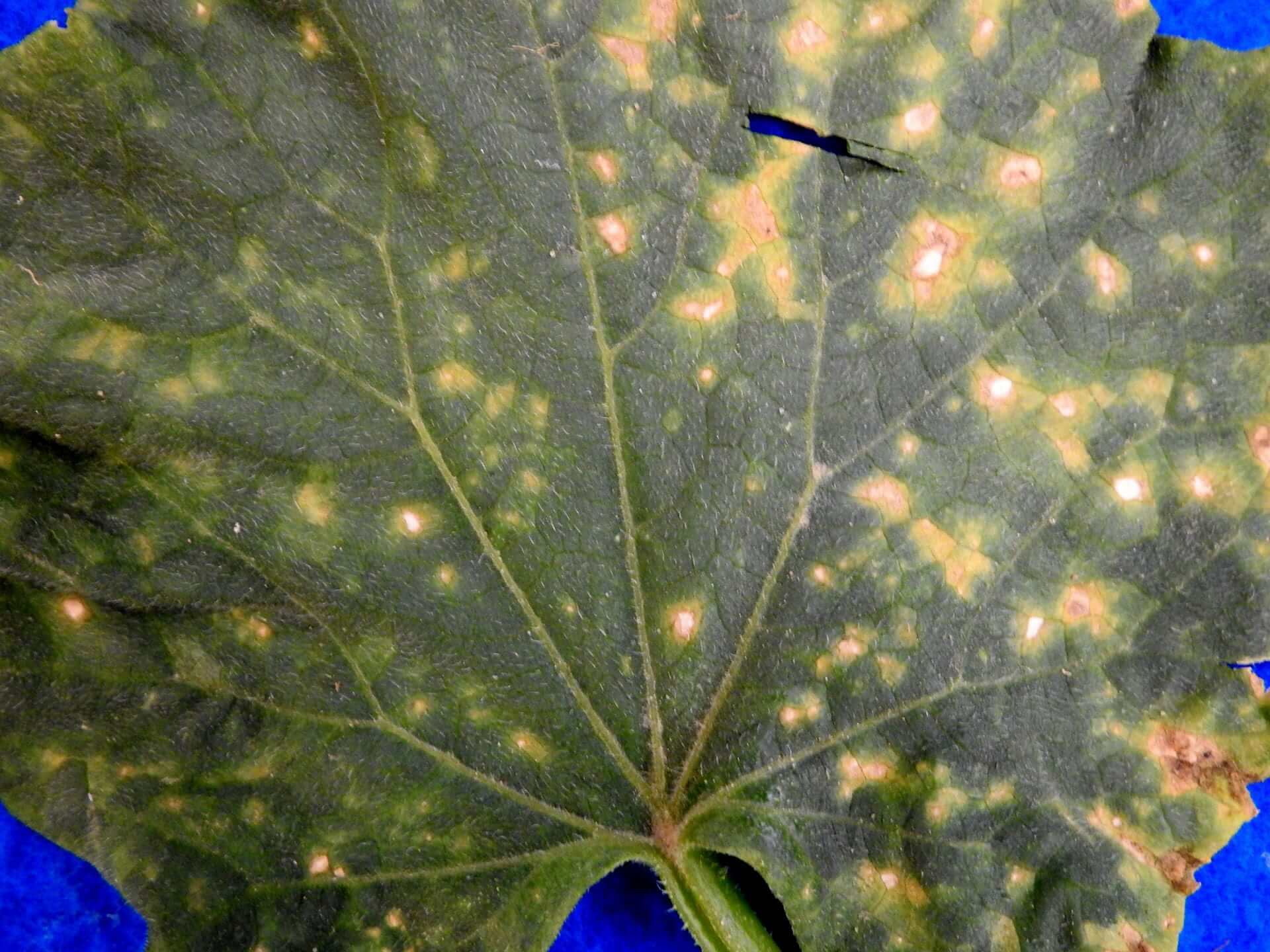
In pumpkins, bacterial spot caused by Xanthomonas cucurbitacearum manifests itself with visible symptoms on the leaves, stems and fruits. This disease reduces the quality and yield of the crop, affecting its commercial value. Symptoms include small angular Taches on the leaves that eventually turn brown and become necrotic, surrounded by a yellow halo. Lesions on stems and petioles may exude a sticky bacterial substance. The fruits develop dark, corky Taches, affecting their appearance and commercial value.
- Angular Taches on the leaves
- Leaf necrosis with yellow halos
- Lesions on stems and petioles with bacterial exudate
- Dark and corky Taches on the fruits


DEVELOPMENT CONDITIONS
Temperature:
24-30°C
Humidity:
70-90%

HOW IS IT SPREAD?
Irrigation water, Agricultural tools, Contaminated seeds, Wind, Water splashes, Remains of infected plants

HOW TO ELIMINATE IT?
Home treatments
There are no home treatments
Natural allies
Chemical treatments
There are no treatments for this disease. Treatments are directed at the insect vectors that transmit it. See insect treatments.
RECOMMENDED PRODUCTS TO ELIMINATE THE PEST





REPELLENT PLANTS

RECOMMENDATIONS
OTHER PESTS THAT MAY INTEREST YOU


DID YOU LIKE IT?
All this and much more, just a click away. TRY idMicrobe NOW!



Explore more tools
Services
Contact
Legal
©2023 by ZeriMar Laboratoire. All rights reserved.