

Plantas decorativas de jardín y/o interior
How to recognize and combat leaf miners in decorative garden and/or indoor plants
Miners
Insect
Type:
Risk to the plant:
HIGH
Phyllocnistis Citrella, Liriomyza Sp., Lyonetia Sp.
Pathogen:
Minadores


WHO CAUSES IT?
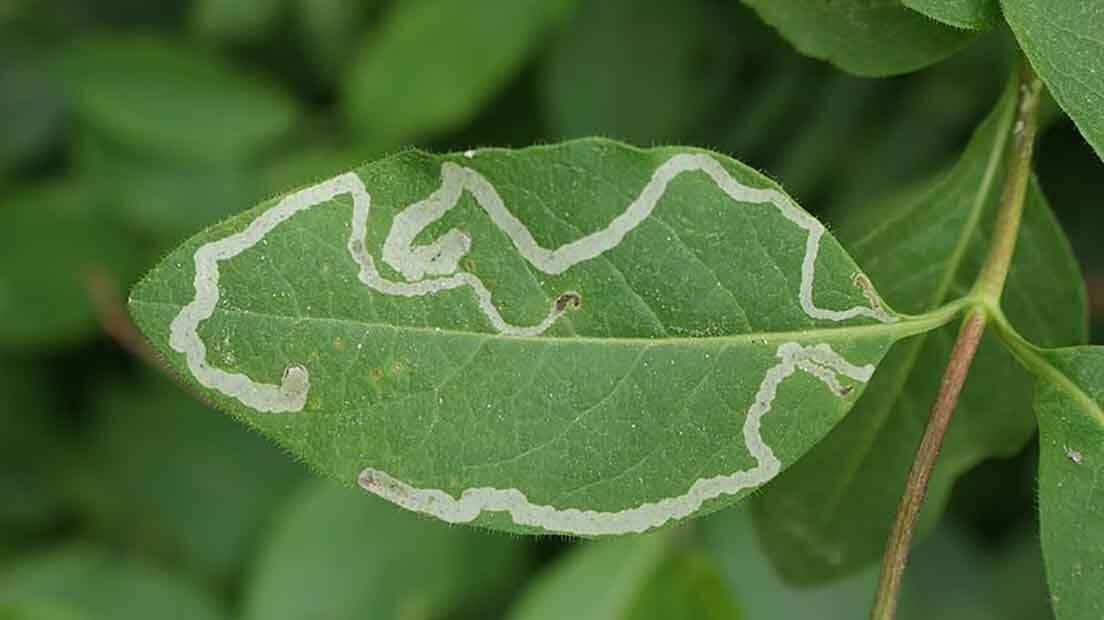
Phyllocnistis citrella, Liriomyza sp. and Lyonetia sp. They are genera of leafmining insects, known for their ability to infest various plants. These insects have a complex life cycle that involves several stages. Adult females lay their eggs on the surface or within the tissues of the leaves. Once the larvae emerge, they begin feeding on the inner tissue of the leaf, creating meandering galleries visible on the surface. The larvae go through several molts as they feed and grow inside the leaf. Upon reaching maturity, the larvae pupate inside the leaf or in the surrounding soil. The adults emerge from the pupae, ready to reproduce and continue the cycle. This process can be repeated several times a year, especially in warm climates, allowing leafminer populations to increase rapidly.
.png)
SYMPTOMS
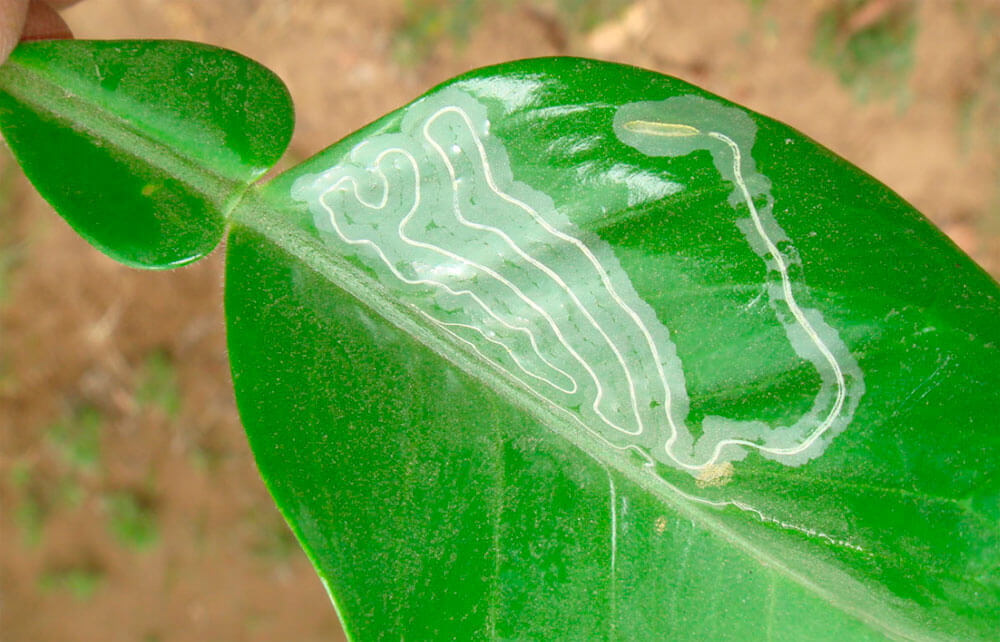
The disease caused by leafminers on plants results in a series of characteristic symptoms due to the larvae feeding on leaf tissues. This not only reduces the photosynthetic capacity of plants, but also weakens them and makes them more susceptible to other diseases and environmental stresses.
- Appearance of serpentine and translucent galleries in the leaves.
- Discoloration and yellowing of affected leaves.
- Premature fall of severely damaged leaves.
- Reduction in the general vigor of the plant.
- Black or brown Taches on the leaves, indicative of larval feeding areas.
- Curling and deformation of the leaves.
- Presence of pupae on the lower surface of the leaves or on the nearby soil.


DEVELOPMENT CONDITIONS
Temperature:
20°C a 30°C
Humidity:
60% a 80%

HOW IS IT SPREAD?
Direct contact between plants, Wind, Contaminated tools, Transport of infested plants, Contaminated soil

HOW TO ELIMINATE IT?
Home treatments
There are no home treatments
Natural allies
Chemical treatments
There are no treatments for this disease. Treatments are directed at the insect vectors that transmit it. See insect treatments.
RECOMMENDED PRODUCTS TO ELIMINATE THE PEST
Sponsored link

Sponsored link
Sponsored link


Sponsored link
Sponsored link
Effective against all types of fungi

Sponsored link


Sponsored link
Sponsored link

Sponsored link


Sponsored link
Sponsored link
Sponsored link


Sponsored link

REPELLENT PLANTS

RECOMMENDATIONS
OTHER PESTS THAT MAY INTEREST YOU


DID YOU LIKE IT?
All this and much more, just a click away. TRY idMicrobe NOW!


