

Melocotón, durazno o nectarina
How to recognize and combat powdery mildew on peaches and nectarines
Powdery Mildew
Fungus
Type:
Risk to the plant:
HIGH
Podosphaera Pannosa
Pathogen:

Oídio


WHO CAUSES IT?
Podosphaera pannosa is a pathogenic fungus that mainly affects plants of the Prunus genus, such as peach, peach and nectarine. This fungus is characterized by the production of asexual spores called conidia, which are dispersed by the wind. During the winter, the fungus survives in a dormant state in infected buds or in remains of fallen leaves on the ground. In spring, with favorable temperature and humidity conditions, the spores germinate and the fungus infects the new leaves and shoots. The mycelium of the fungus grows on the surface of the leaves and other organs of the plant, forming a characteristic whitish or grayish layer. This mycelium produces new conidia that can infect other parts of the plant or nearby plants, perpetuating the infection throughout the growing season.

SYMPTOMS
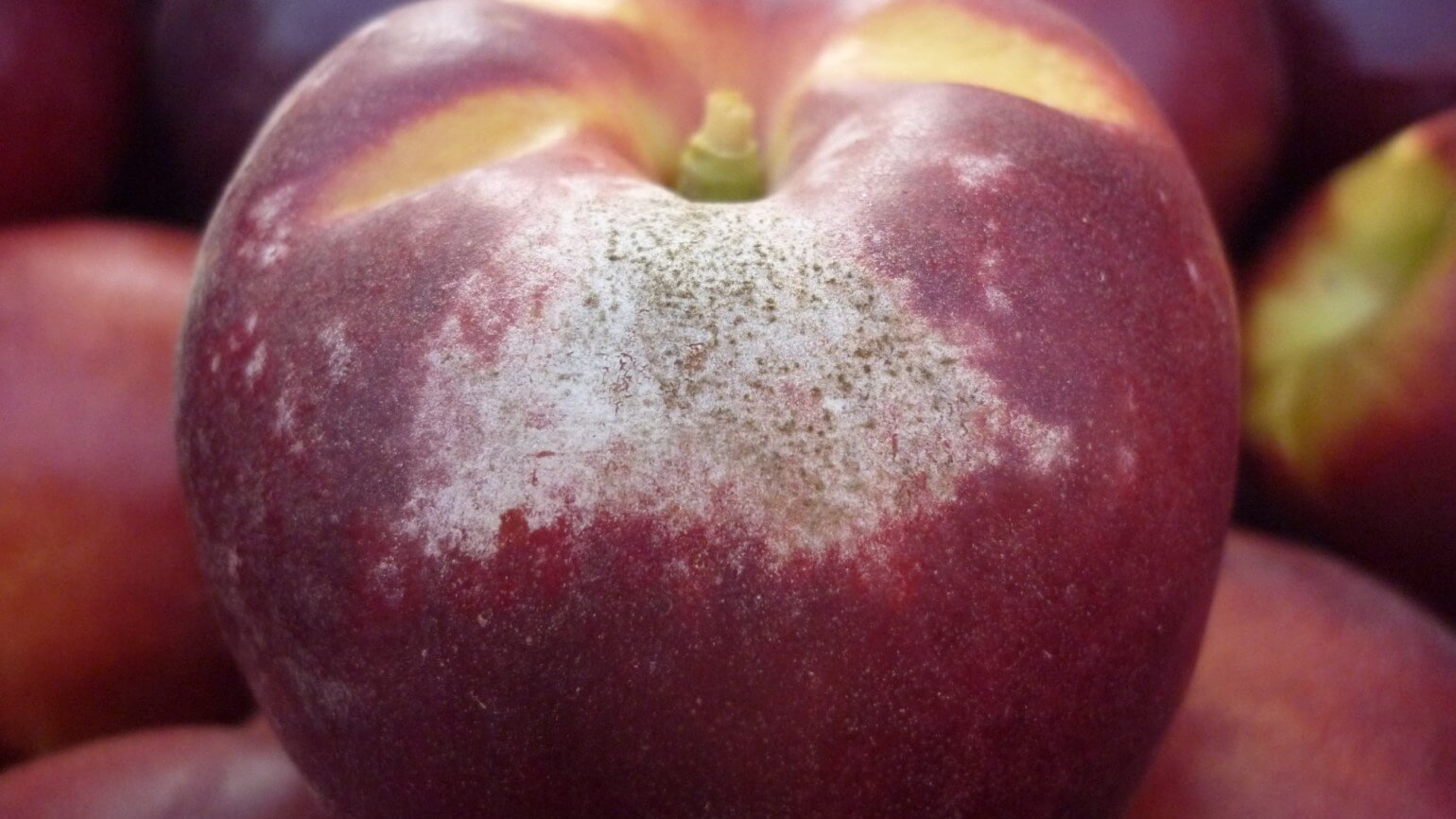
In peach, peach or nectarine, infection by Podosphaera pannosa causes the development of the disease known as powdery mildew. The first signs of the disease usually appear on young leaves and tender shoots, where a thin layer of white or gray powder is observed on the surface. This layer is the mycelium of the fungus and the spores it produces. As the disease progresses, the leaves may become deformed, yellow, and fall prematurely, affecting fruit development and crop quality. In addition, infected fruits may show Taches or deformations that reduce their commercial value.
- Appearance of a white or gray powder on leaves and shoots
- Deformation and yellowing of the leaves
- Premature leaf fall
- Reduction in shoot growth
- Taches and deformations on the fruits
- Decrease in harvest quality
- Reduction in photosynthesis due to mycelium coverage on the leaves.



DEVELOPMENT CONDITIONS
Temperature:
15-25°C
Humidity:
40-70%

HOW IS IT SPREAD?
Wind, direct contact between plants, contaminated agricultural tools, clothing and work equipment

HOW TO ELIMINATE IT?
Home treatments
There are no home treatments
Natural allies
Chemical treatments
There are no treatments for this disease. Treatments are directed at the insect vectors that transmit it. See insect treatments.
RECOMMENDED PRODUCTS TO ELIMINATE THE PEST




Sponsored link



Sponsored link
Sponsored link


Sponsored link



Sponsored link
Sponsored link


Sponsored link
Sponsored link
Effective against all types of fungi



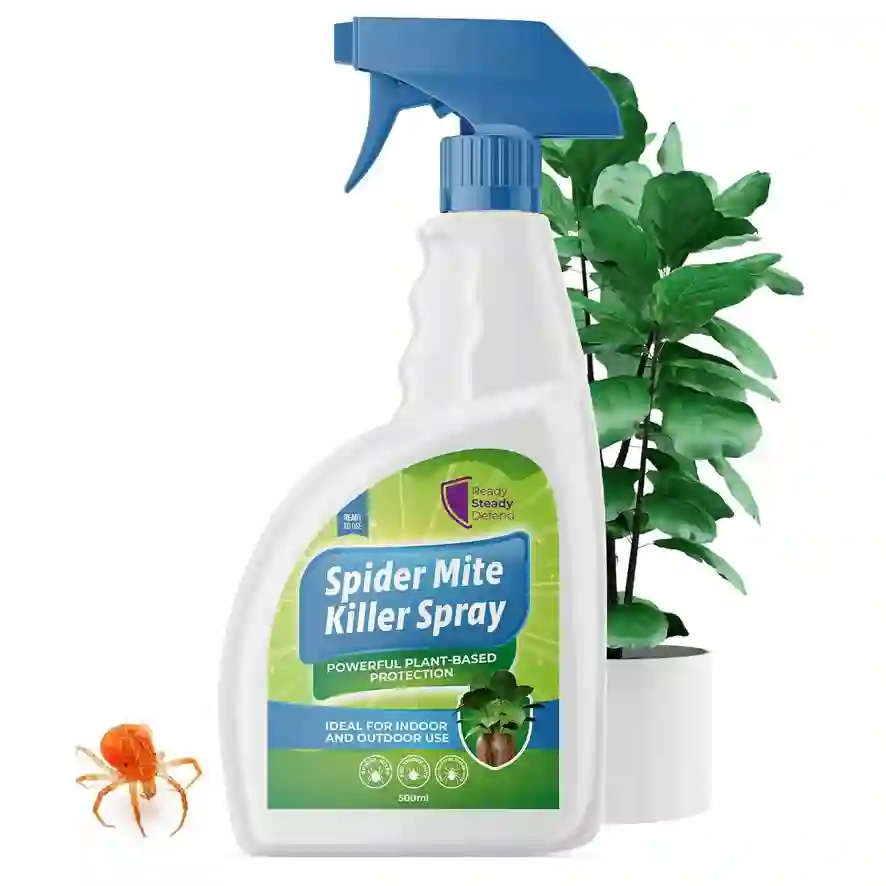
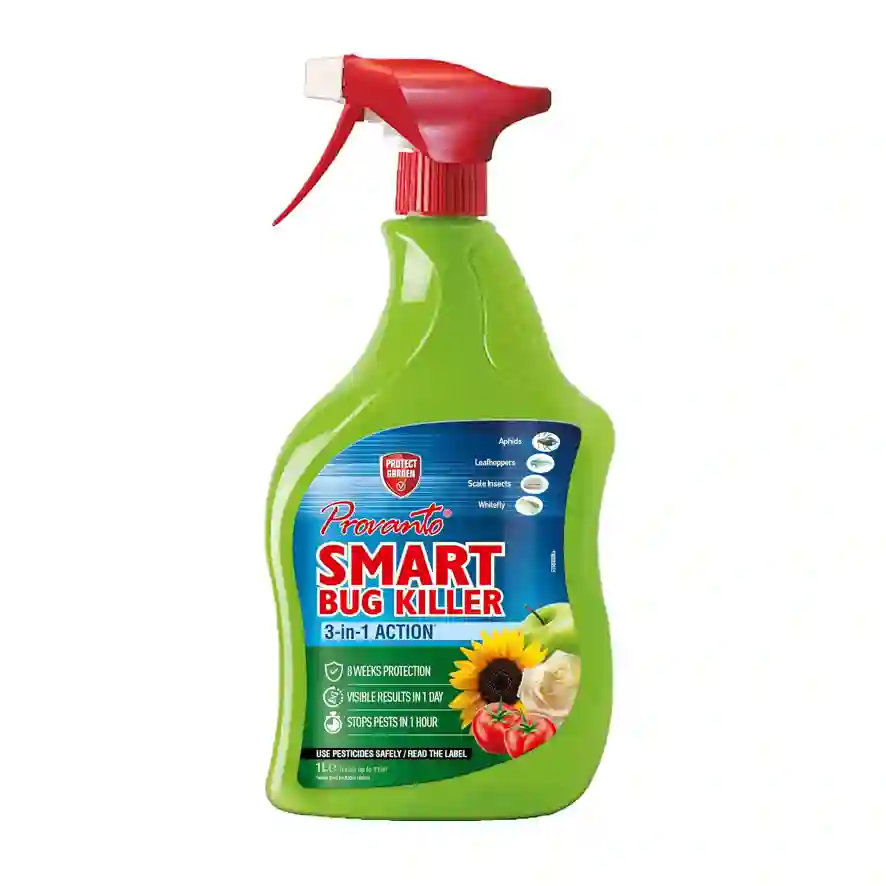



Sponsored link


Sponsored link
Sponsored link

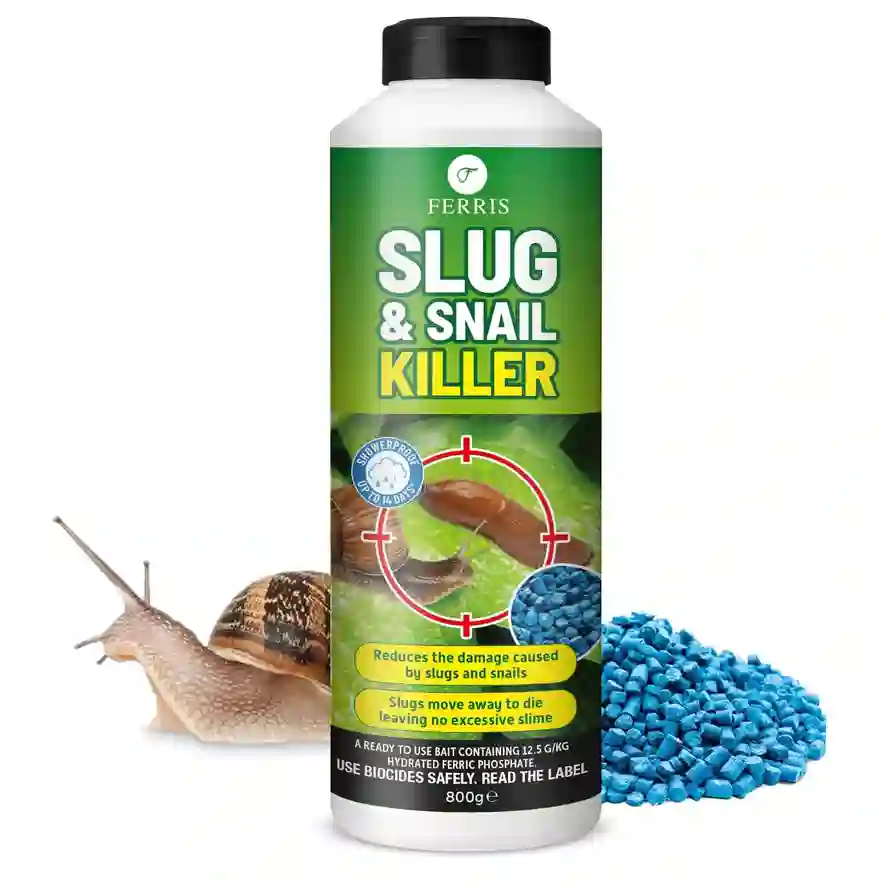



Sponsored link
Sponsored link


Sponsored link

REPELLENT PLANTS

RECOMMENDATIONS
OTHER PESTS THAT MAY INTEREST YOU


DID YOU LIKE IT?
All this and much more, just a click away. TRY idMicrobe NOW!


