


Lechuga
How to recognize and combat white rot in lettuce
White Rot
Fungus
Type:
Risk to the plant:
HIGH
Sclerotinia Sclerotiorum
Pathogen:
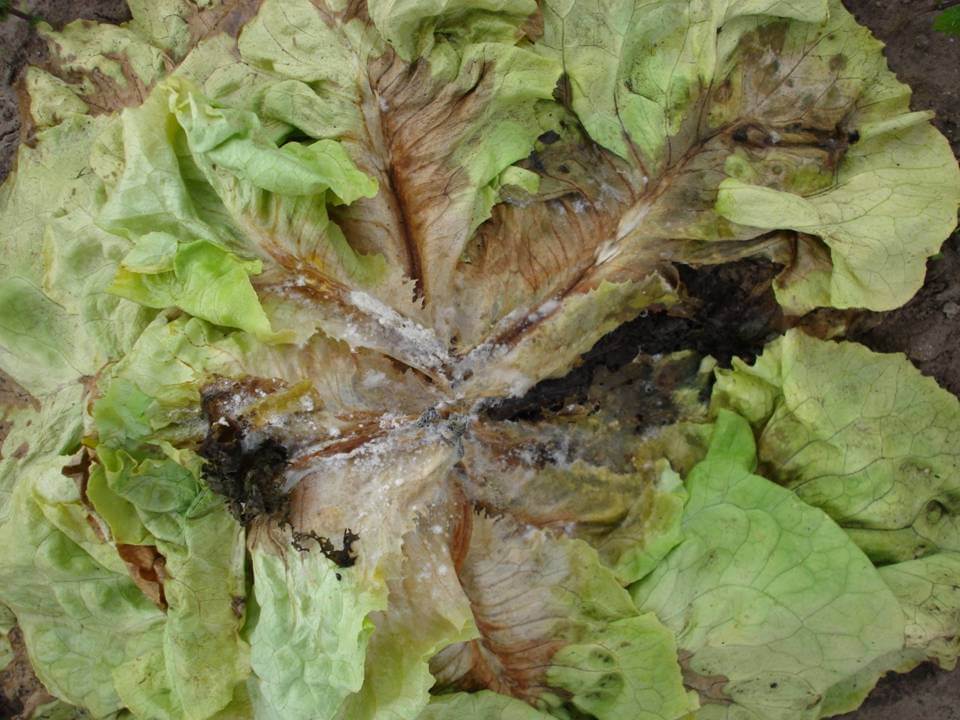
Moho blanco


WHO CAUSES IT?
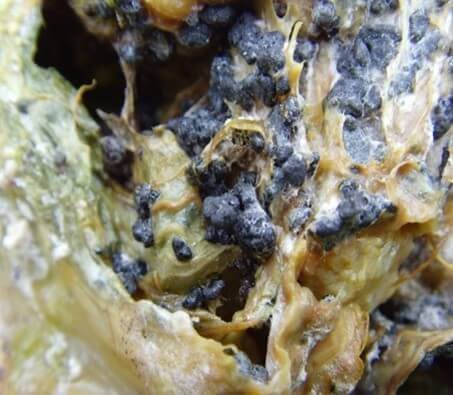
Sclerotinia sclerotiorum is a phytopathogenic fungus that causes the disease known as white rot in lettuce plants. This pathogen has a complex life cycle that involves the formation of resistance structures called sclerotia in the soil, which can remain viable for several years. When conditions are favorable, sclerotia germinate and produce specialized fungal structures called apothecia, which release spores into the environment to initiate new infections in host plants.

SYMPTOMS
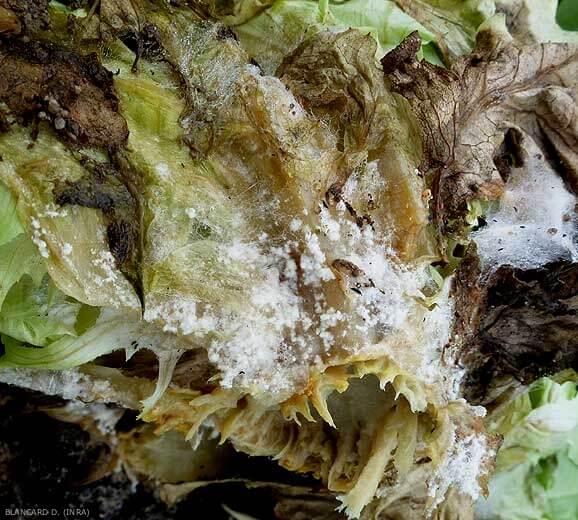
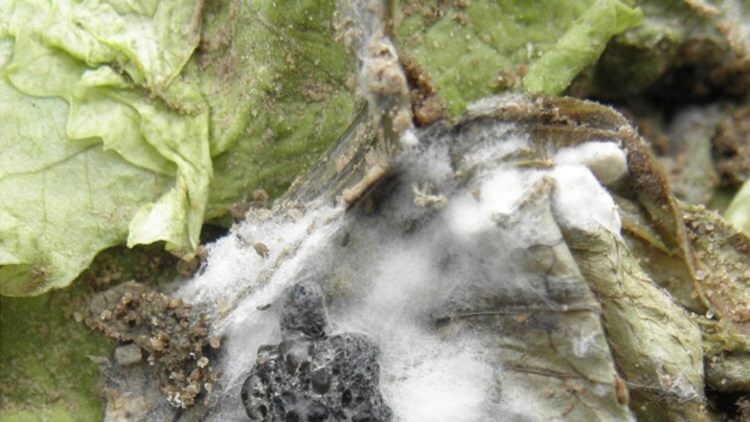
White rot causes a number of symptoms in lettuce plants, including wilting, rotting of stems and leaves, and the formation of a white cottony mycelium on the surface of the lesions. These symptoms can lead to general weakening of the plant and, in severe cases, its death.
- Wilting of plants.
- Rotting of stems and leaves.
- Formation of a white cottony mycelium on the surface of the lesions.


DEVELOPMENT CONDITIONS
Temperature:
15-25°C
Humidity:
80-90%

HOW IS IT SPREAD?
Irrigation water, direct contact with infected plants, contaminated soil, cultivation tools

HOW TO ELIMINATE IT?
Home treatments
There are no home treatments
Natural allies
Chemical treatments
There are no treatments for this disease. Treatments are directed at the insect vectors that transmit it. See insect treatments.
RECOMMENDED PRODUCTS TO ELIMINATE THE PEST





REPELLENT PLANTS

RECOMMENDATIONS
OTHER PESTS THAT MAY INTEREST YOU


DID YOU LIKE IT?
All this and much more, just a click away. TRY idMicrobe NOW!



Explore more tools
Services
Contact
Legal
©2023 by ZeriMar Laboratoire. All rights reserved.