


Patata
How to recognize and combat dry rot in potatoes
Dry Rot
Fungus
Type:
Risk to the plant:
INTERMEDIATE
Fusarium Solani / Fusarium Sambucinum
Pathogen:
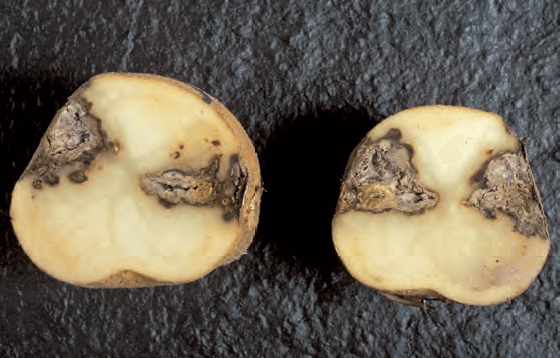
Fusariosis


WHO CAUSES IT?
Fusarium solani and Fusarium sambucinum are phytopathogenic fungi that affect potato and other vegetable crops, causing a disease known as dry rot. These fungi can survive in soil and infected plant remains for long periods. Fungal spores are spread through contaminated growing tools, irrigation water, or direct contact with infected plants. Once they infect a potato plant, the fungi feed on the tissues, causing the tubers to rot.

SYMPTOMS
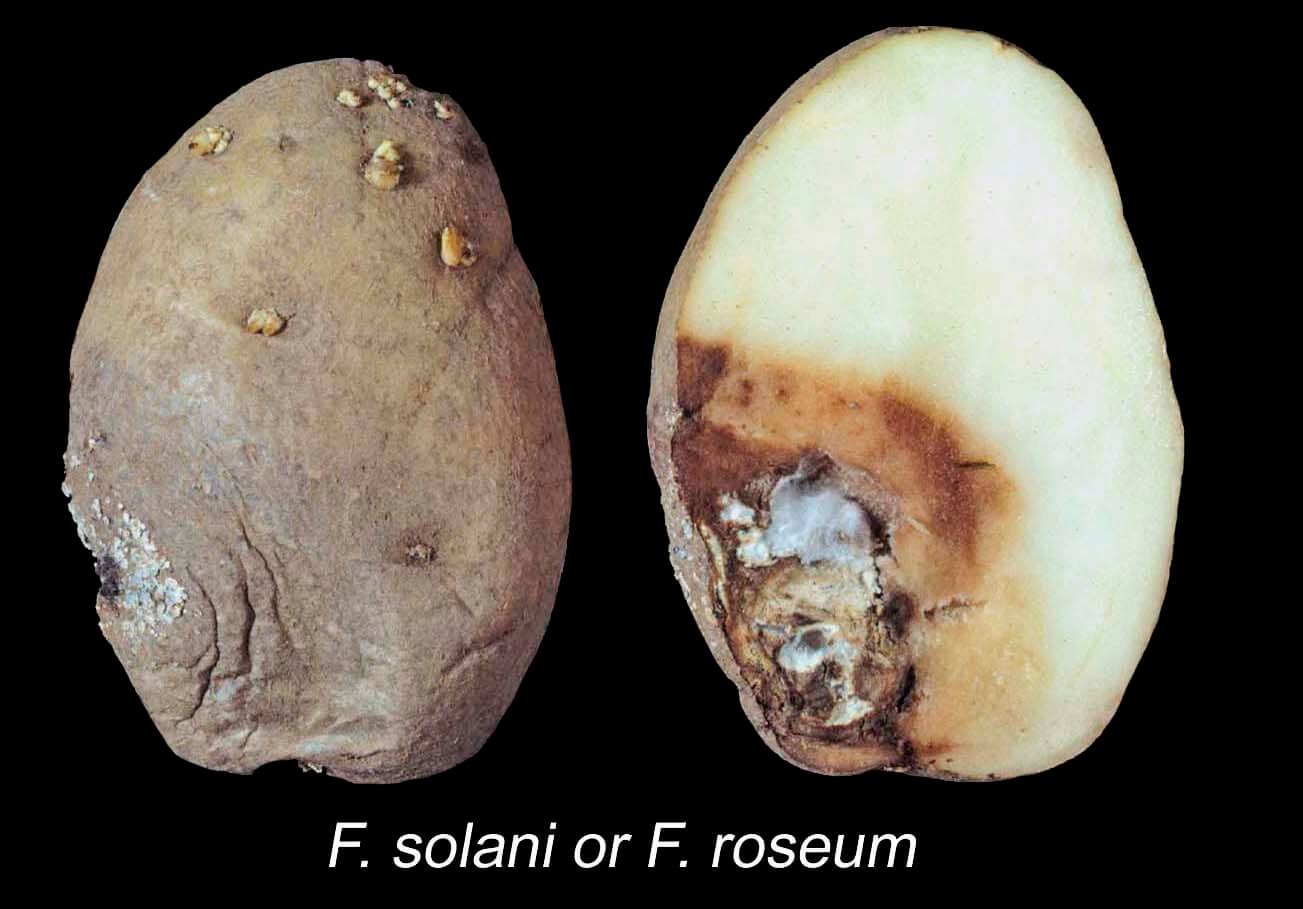
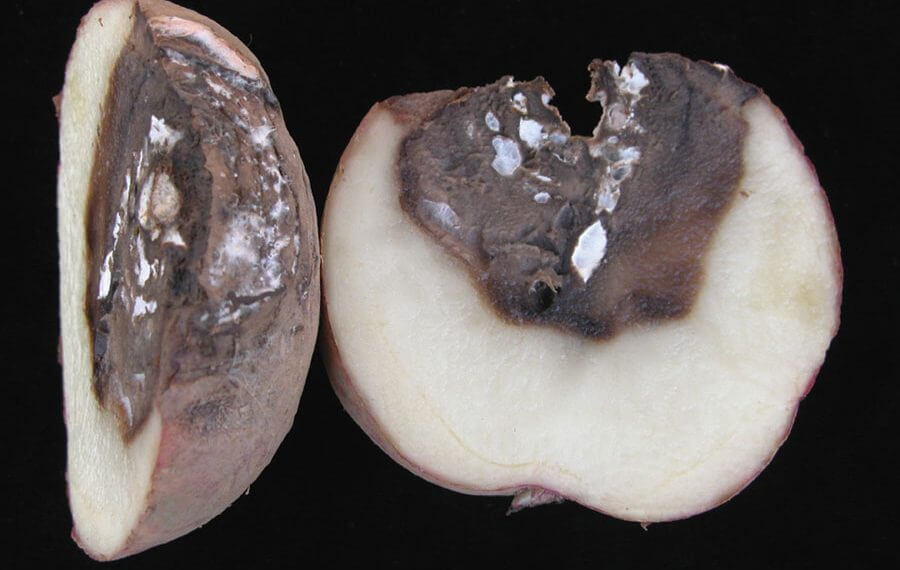
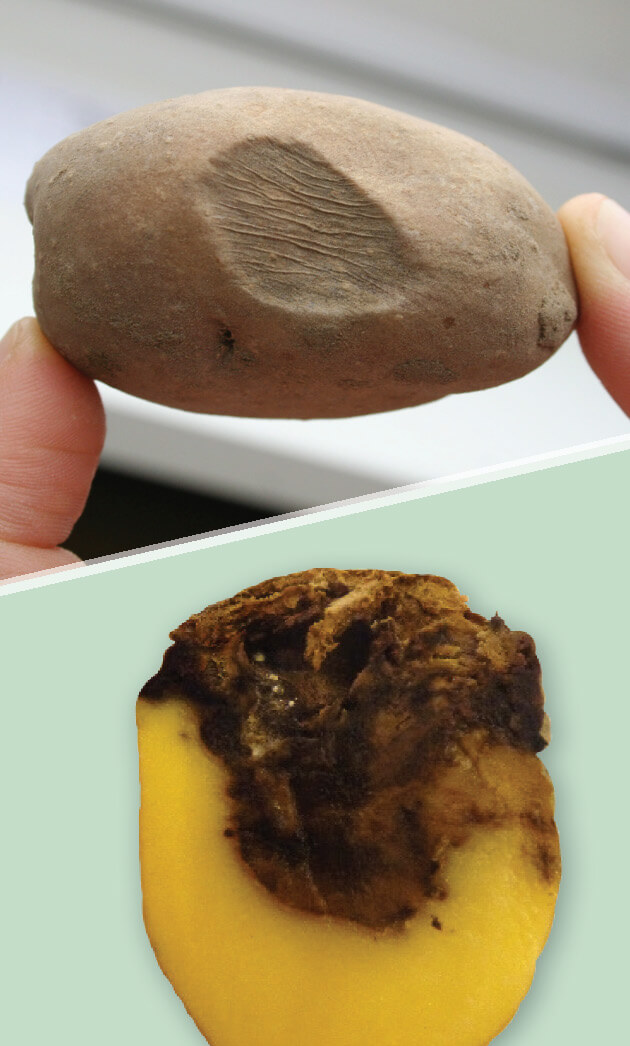
Dry rot is a disease that causes lesions on potato tubers, especially during storage. Symptoms include dark, sunken Taches on the skin of the tubercles, which extend inward, causing tissue breakdown. As the disease progresses, the tubers may dry out and become hard, affecting their quality and marketability.
• Dark, sunken Taches on the skin of the tubers.
• Decomposition of tuber tissues.
• Dry and hard tubers.
• Decrease in the quality and marketability of tubers.


DEVELOPMENT CONDITIONS
Temperature:
20°C - 30°C
Humidity:
60% - 80%

HOW IS IT SPREAD?
Contaminated soil, contaminated irrigation water, contaminated growing tools, contact with infected plants or tubers.

HOW TO ELIMINATE IT?
Home treatments
There are no home treatments
Natural allies
Chemical treatments
There are no treatments for this disease. Treatments are directed at the insect vectors that transmit it. See insect treatments.
RECOMMENDED PRODUCTS TO ELIMINATE THE PEST





REPELLENT PLANTS

RECOMMENDATIONS
OTHER PESTS THAT MAY INTEREST YOU


DID YOU LIKE IT?
All this and much more, just a click away. TRY idMicrobe NOW!



Explore more tools
Services
Contact
Legal
©2023 by ZeriMar Laboratoire. All rights reserved.