


Soja
How to recognize and combat charcoal rot in soybeans
Charcoal Rot
Fungus
Type:
Risk to the plant:
HIGH
Macrophomina Phaseolina
Pathogen:
Micosis/Hongos


WHO CAUSES IT?
Charcoal rot, caused by the pathogen Macrophomina phaseolina, is a fungal disease that affects a wide variety of plants, including soybeans. This fungus can survive in the soil for long periods, making it a persistent threat to agricultural crops.

SYMPTOMS
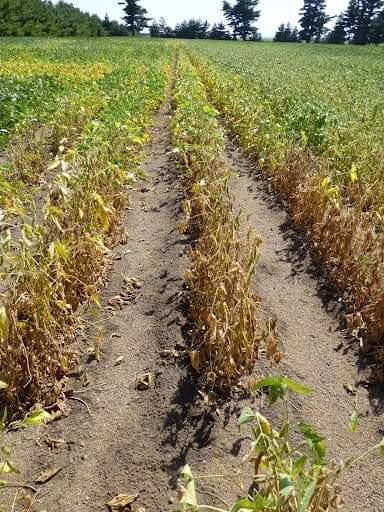
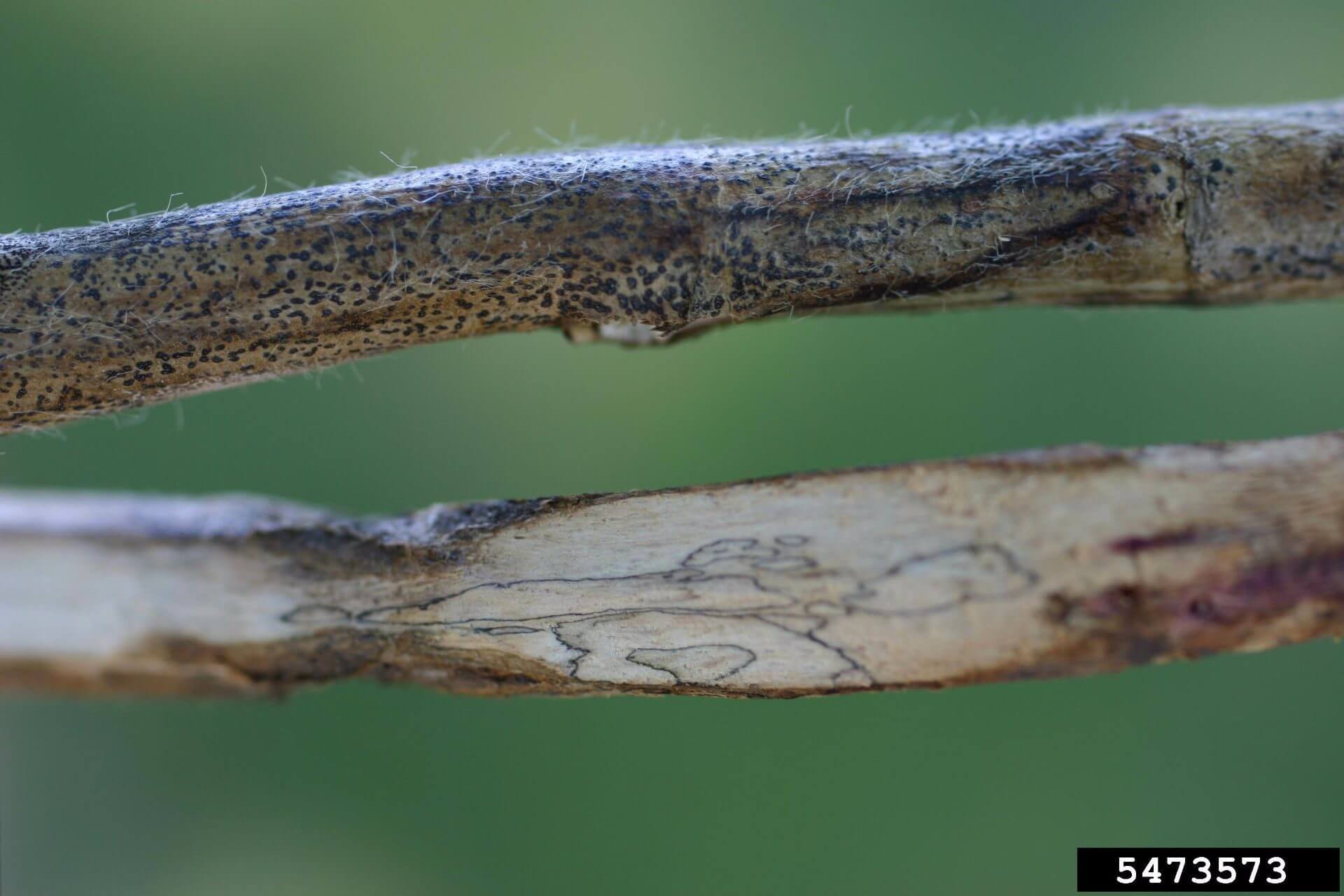
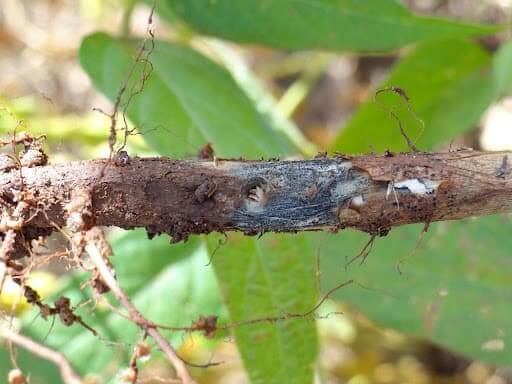
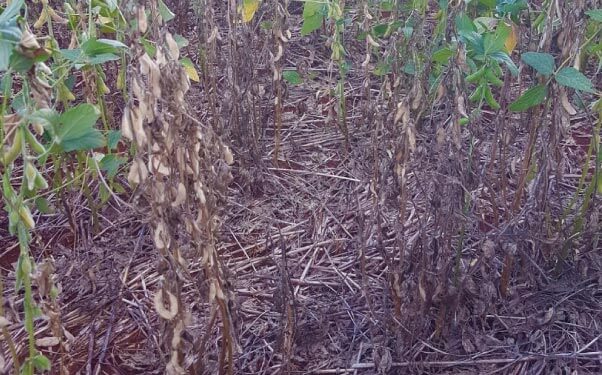
In soybeans, charcoal rot causes symptoms that include sudden wilting of plants, yellowing of leaves, and premature death. In addition, dark and necrotic lesions can be observed at the base of the stem, as well as the presence of dark mycelium inside the affected tissues.


DEVELOPMENT CONDITIONS
Temperature:
30ºC
Humidity:
60% - 80%

HOW IS IT SPREAD?
Infected seeds, contaminated soil, plant residues, agricultural tools, irrigation water, wind.

HOW TO ELIMINATE IT?
Home treatments
There are no home treatments
Natural allies
Chemical treatments
There are no treatments for this disease. Treatments are directed at the insect vectors that transmit it. See insect treatments.
RECOMMENDED PRODUCTS TO ELIMINATE THE PEST





REPELLENT PLANTS

RECOMMENDATIONS
OTHER PESTS THAT MAY INTEREST YOU


DID YOU LIKE IT?
All this and much more, just a click away. TRY idMicrobe NOW!



Explore more tools
Services
Contact
Legal
©2023 by ZeriMar Laboratoire. All rights reserved.