

Plantas decorativas de jardín y/o interior
How to recognize and combat septoria in decorative garden and/or indoor plants
Septoria
Fungus
Type:
Risk to the plant:
HIGH
Septoria Sp.
Pathogen:
Septoriosis


WHO CAUSES IT?
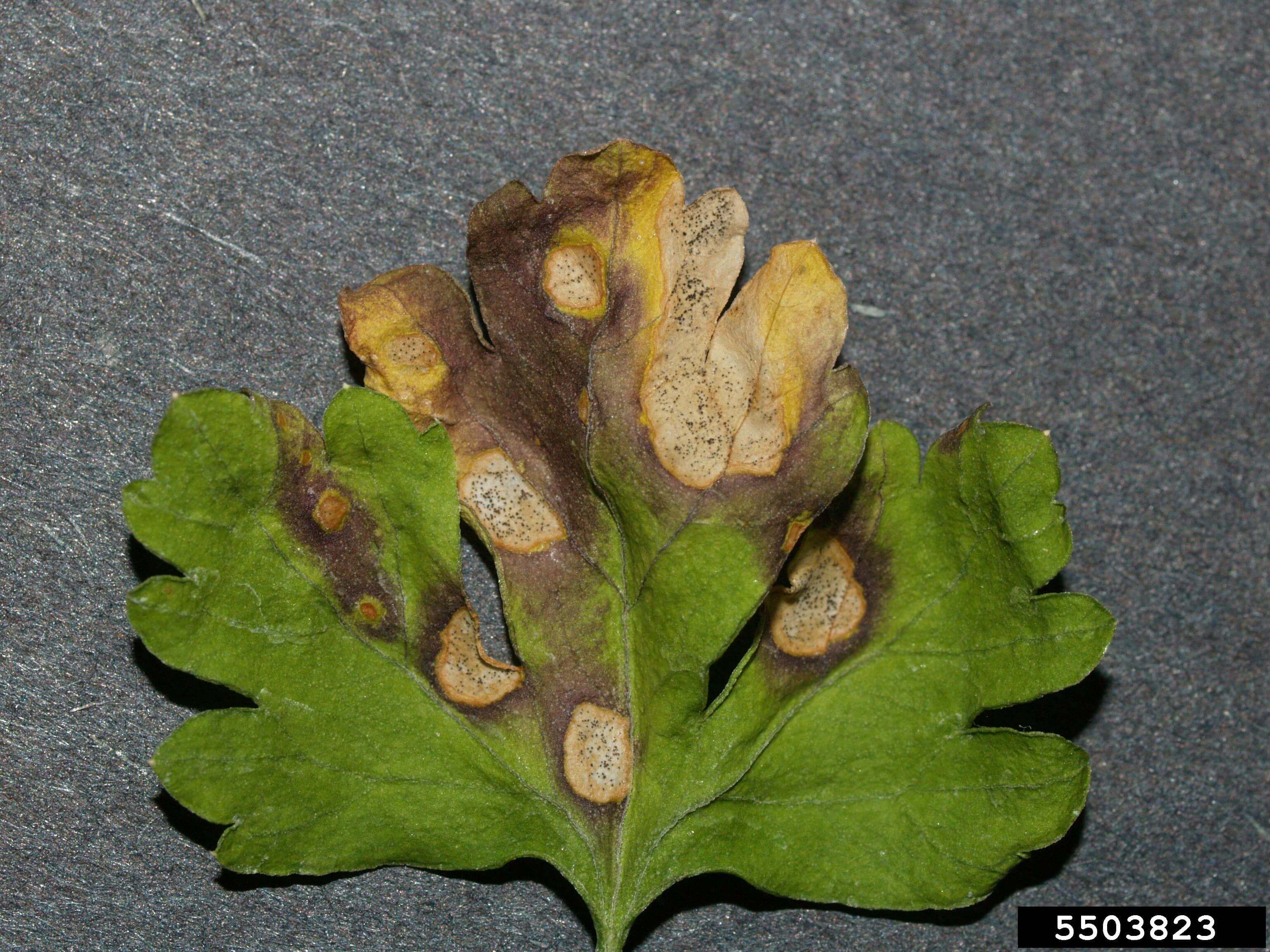
Septoria sp. It is a genus of phytopathogenic fungi that affects a wide variety of plants. These fungi produce asexual spores called conidia that spread primarily through water and wind. Conidia germinate on the surface of leaves when they encounter favorable conditions, generally high humidity and moderate temperatures. Once on the leaf, the fungus penetrates the leaf tissue and begins to develop, forming structures known as pycnidia, which are visible as black dots on leaf lesions. These pycnidia release new conidia, which can infect other parts of the plant or be transported to neighboring plants. The fungus can survive in infected plant remains, allowing its persistence from one season to the next.
.png)
SYMPTOMS
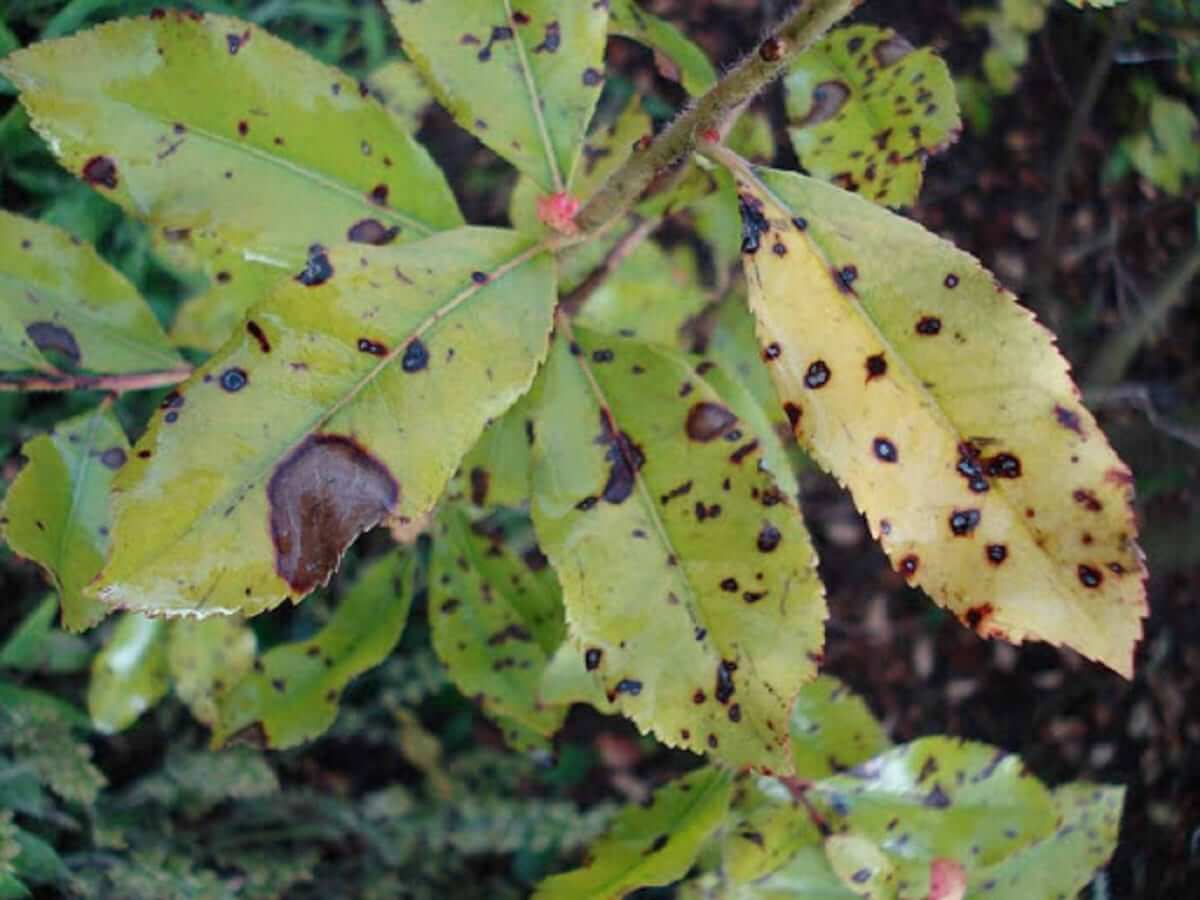
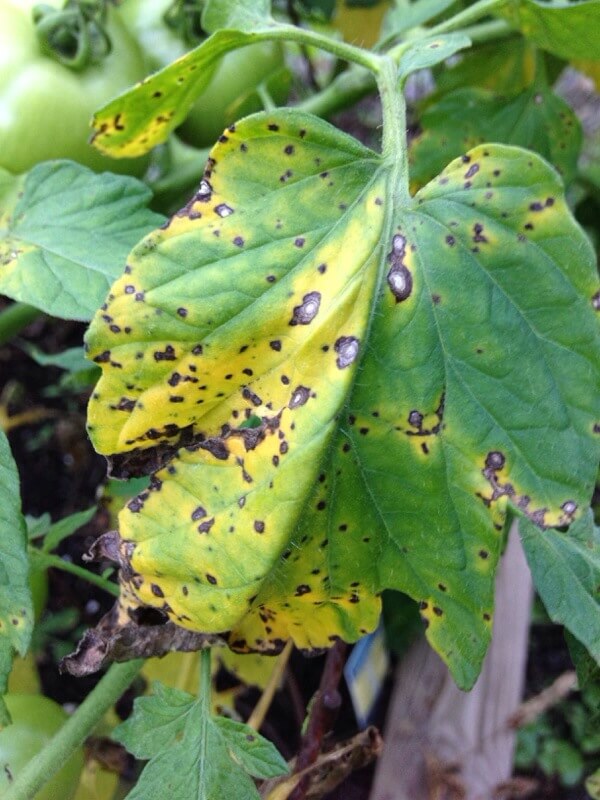
Septoria affects plants causing a decrease in their vigor and productivity. The disease initially manifests itself with small chlorotic Taches on the leaves, which subsequently become necrotic and develop a characteristic dark edge.
- Small, round brown or black Taches on the leaves.
- Dark edges around the stains.
- Black dots (pycnidia) in the center of the Taches.
- Premature defoliation of plants.
- Reduction in plant growth and vigor.
- Loss of yield in affected crops.
- General deterioration of plant health.


DEVELOPMENT CONDITIONS
Temperature:
20°C - 25°C
Humidity:
85% - 100%

HOW IS IT SPREAD?
Wind, rainwater, contaminated gardening tools, infected plant debris, insect vectors

HOW TO ELIMINATE IT?
Home treatments
There are no home treatments
Natural allies
Chemical treatments
There are no treatments for this disease. Treatments are directed at the insect vectors that transmit it. See insect treatments.
RECOMMENDED PRODUCTS TO ELIMINATE THE PEST
Sponsored link
Sponsored link
Sponsored link


Sponsored link
Sponsored link
Effective against all types of fungi

Sponsored link


Sponsored link
Sponsored link

Sponsored link


Sponsored link
Sponsored link
Sponsored link


Sponsored link

REPELLENT PLANTS

RECOMMENDATIONS
OTHER PESTS THAT MAY INTEREST YOU


DID YOU LIKE IT?
All this and much more, just a click away. TRY idMicrobe NOW!


