


Espinacas y similares
How to recognize and combat black rot or prodeni in spinach and similar
Black Donut Or Prodeni
Insect
Type:
Risk to the plant:
HIGH
Spodoptera Littoralis
Pathogen:

Orugas o gusanos


WHO CAUSES IT?
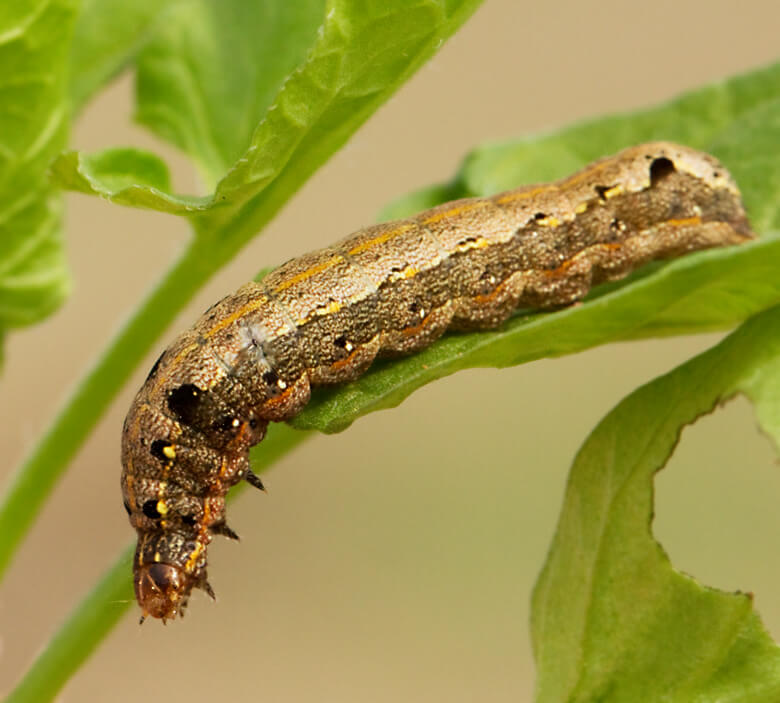
Spodoptera littoralis, known as black donut, is a noctuid lepidopteran that attacks a wide variety of crops, including spinach and the like. Females lay their eggs in large masses on the leaves of plants. After hatching, the larvae go through six stages of development, during which they feed voraciously on the leaves and stems of plants. In the early larval stages, they tend to feed in groups, but as they grow they disperse and become more solitary. After completing their development, the larvae burrow into the soil to pupate. The adults emerge after the pupal phase and restart the cycle, with several generations per year, which makes their control more difficult in warm climates.

SYMPTOMS
The disease known as black donut or Prodenia, caused by Spodoptera littoralis, severely affects spinach and similar crops. The larvae feed on the leaves and other tender parts of the plant, weakening it and reducing its growth capacity. Direct damage to the leaves affects both photosynthesis and the quality of the final product, and in severe cases can lead to complete loss of the crop.
- Leaves with large perforations
- Partial or total defoliation
- Damage to young shoots and stems
- General loss of vigor
- Plants with a stunted and weakened appearance



DEVELOPMENT CONDITIONS
Temperature:
20°C - 32°C
Humidity:
65% - 90%

HOW IS IT SPREAD?
Wind, infested plants, adult migration, agricultural machinery, contaminated soil, planting materials

HOW TO ELIMINATE IT?
Home treatments
There are no home treatments
Natural allies
Chemical treatments
There are no treatments for this disease. Treatments are directed at the insect vectors that transmit it. See insect treatments.
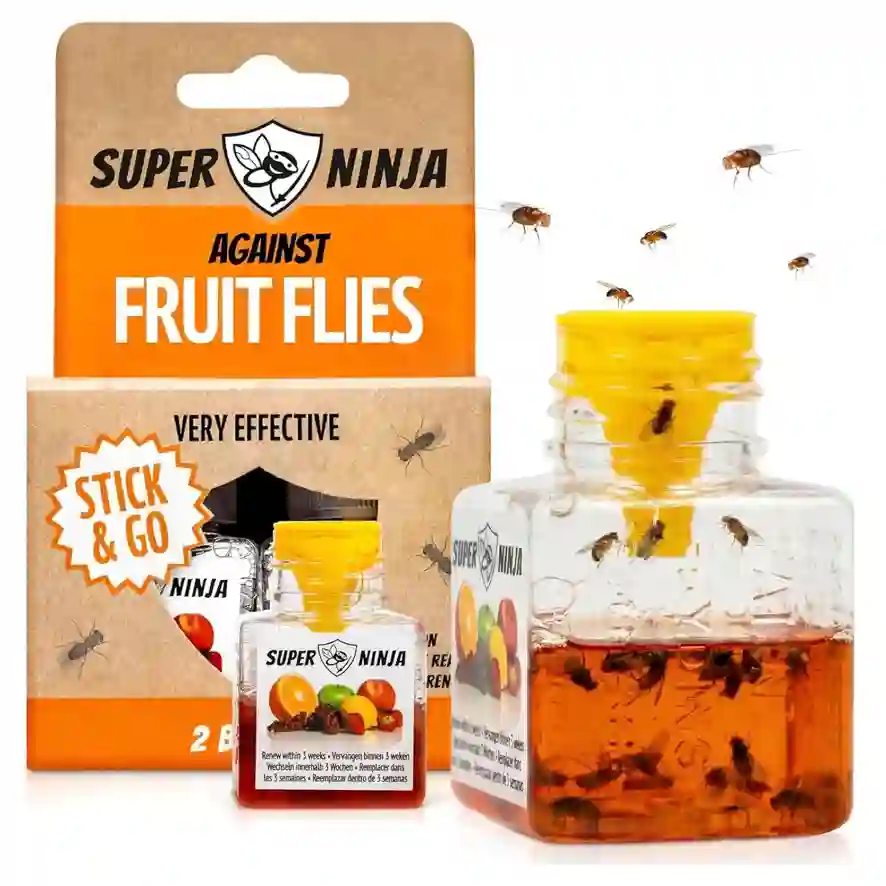
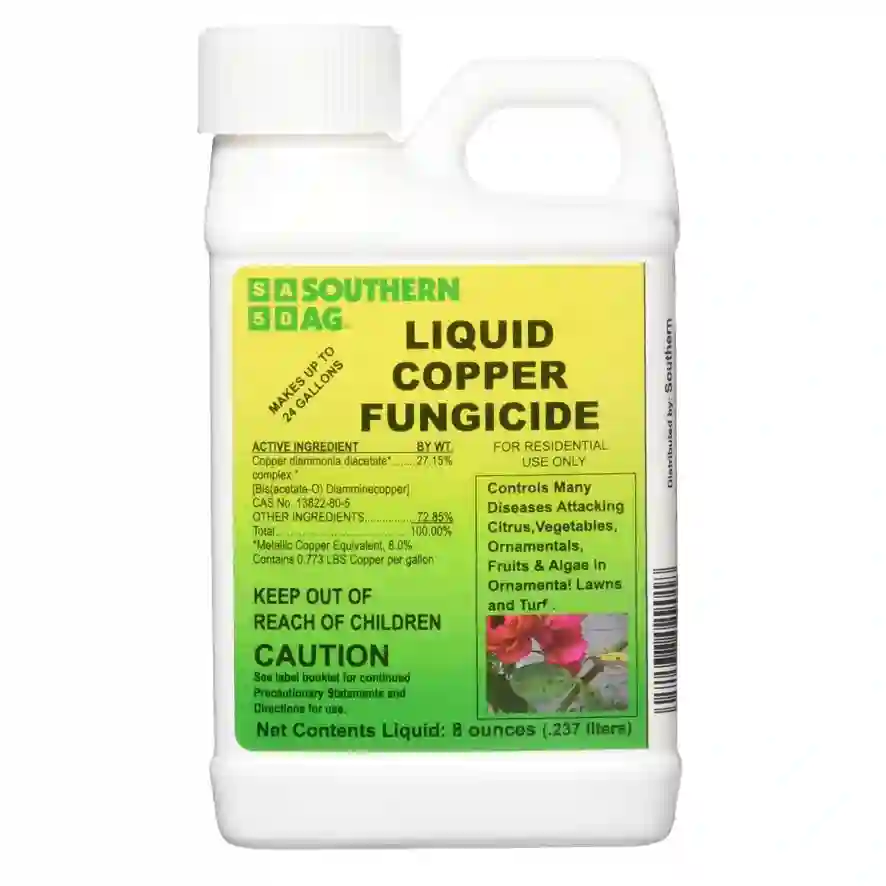
RECOMMENDED PRODUCTS TO ELIMINATE THE PEST



REPELLENT PLANTS

RECOMMENDATIONS
OTHER PESTS THAT MAY INTEREST YOU


DID YOU LIKE IT?
All this and much more, just a click away. TRY idMicrobe NOW!



Explore more tools
Services
Contact
Legal
©2023 by ZeriMar Laboratoire. All rights reserved.