


Calabaza
How to recognize and combat rubbery stems in pumpkins
Rubbery Stem
Fungus
Type:
Risk to the plant:
HIGH
Phoma Cucurbitacearum
Pathogen:
Micosis/Hongos


WHO CAUSES IT?
Phoma cucurbitacearum is a pathogenic fungus that affects various plants of the Cucurbitaceae family, including pumpkin. This organism reproduces through spores, which can be transported by wind, water or contaminated soil. The life cycle of the fungus begins with the germination of spores under favorable conditions of humidity and temperature. These spores produce infection structures that penetrate host plant tissues, usually through wounds or natural openings. Once inside, the fungus grows and develops in the internal tissues, forming mycelium that spreads throughout the plant. As the fungus matures, it produces sporangia that release new spores into the environment, thus restarting the infection cycle.

SYMPTOMS
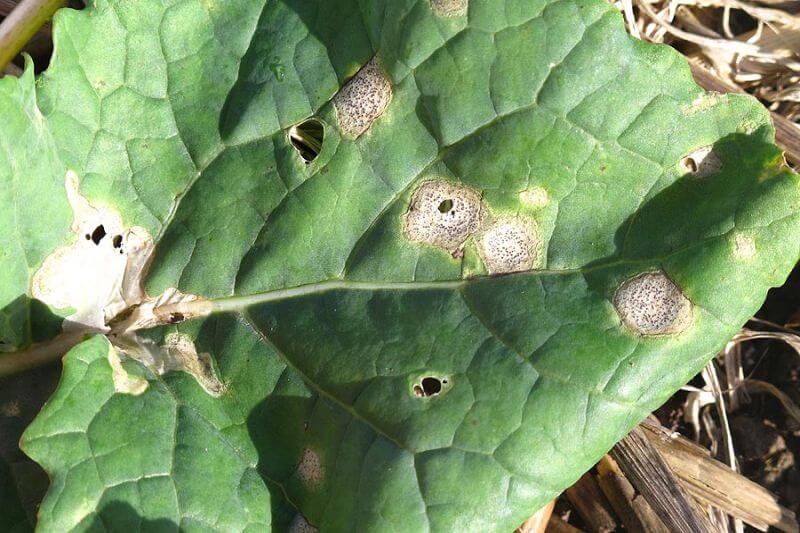
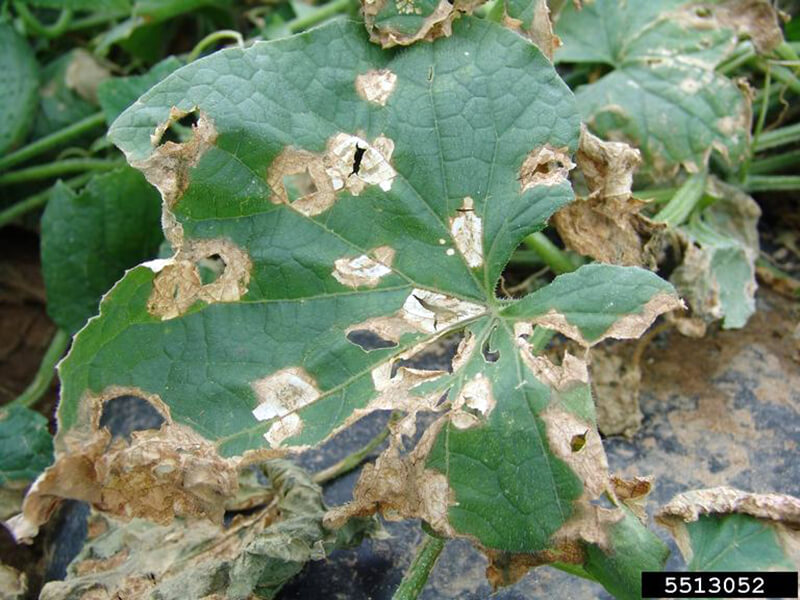
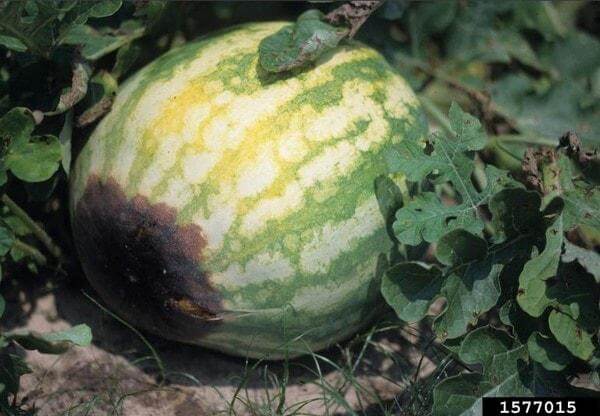
The disease caused by Phoma cucurbitacearum in pumpkin is known as "gummy stem", a pathology that can cause serious damage to the plant. Symptoms include the appearance of dark, moist lesions on the stem, which eventually become rubbery and produce dark exudates. These lesions can spread quickly, affecting the flow of nutrients and water within the plant.
- Yellowing and wilting leaves
- Premature fruit drop
- Reduction in plant growth and vigor
- Necrosis of infected tissue
- Black Taches on the stem


DEVELOPMENT CONDITIONS
Temperature:
20°C - 25°C
Humidity:
70% - 90%

HOW IS IT SPREAD?
Wind, Water, Contaminated soil, Infected tools, Contaminated seeds, Infected plant remains, Host weeds

HOW TO ELIMINATE IT?
Home treatments
There are no home treatments
Natural allies
Chemical treatments
There are no treatments for this disease. Treatments are directed at the insect vectors that transmit it. See insect treatments.
RECOMMENDED PRODUCTS TO ELIMINATE THE PEST





REPELLENT PLANTS

RECOMMENDATIONS
OTHER PESTS THAT MAY INTEREST YOU


DID YOU LIKE IT?
All this and much more, just a click away. TRY idMicrobe NOW!



Explore more tools
Services
Contact
Legal
©2023 by ZeriMar Laboratoire. All rights reserved.