


Peral
How to recognize and combat thrips on pear trees
Thrips
Insect
Type:
Risk to the plant:
HIGH
Thrips
Pathogen:
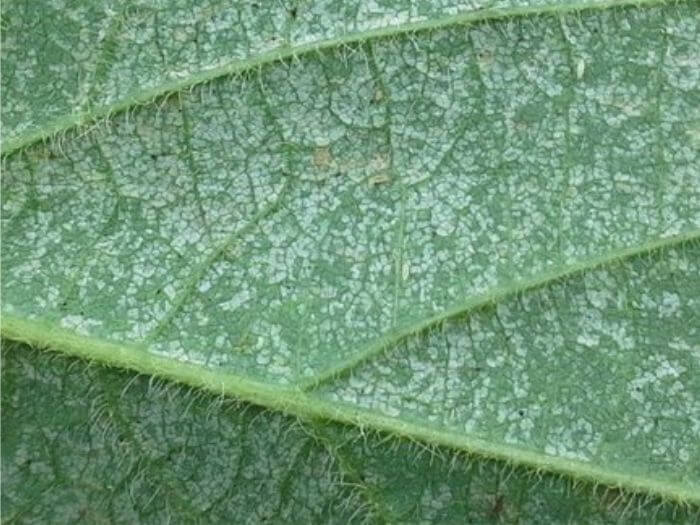
Trips


WHO CAUSES IT?
Frankliniella occidentalis, known as the western flower thrips, is a tiny, elongated insect in the family Thripidae. Adults are approximately 1-2 mm in length and have fringed wings. Its life cycle includes several stages: egg, two nymphal stages, two pupa stages and the adult. Females lay their eggs within plant tissue, where the eggs hatch within a few days. The nymphs feed on plant cells, causing damage by extracting their contents and at the same time injecting toxins. After completing the nymphal stages, the nymphs fall to the ground to pupate. The cycle can be completed in 2-3 weeks under favorable conditions, allowing for multiple generations per year. Frankliniella occidentalis is particularly prolific in hot, dry climates, contributing to its rapid spread and significant damage to host plants.
.png)
SYMPTOMS
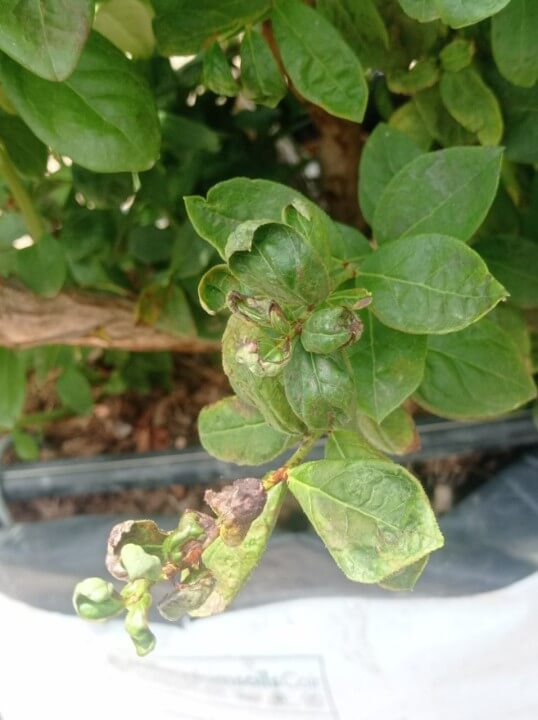
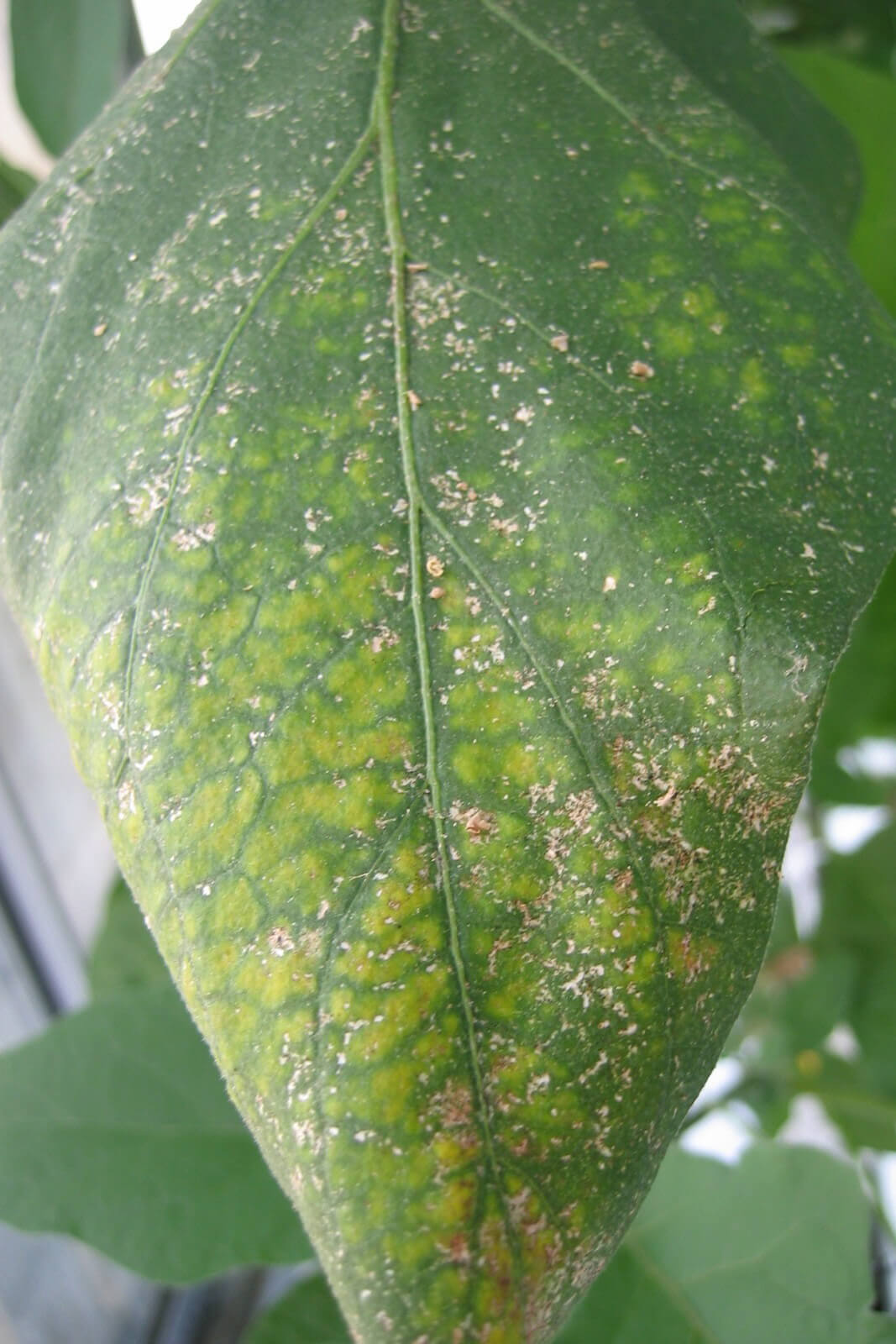
In the pear tree, thrips cause both direct and indirect damage. Direct damage is due to the feeding of the nymphs and adults, which pierce and scrape the plant tissue, leaving silvery scars and deformations on leaves and fruits. Indirect damages arise from their ability to transmit plant viruses, such as tomato wilt virus (TSWV), which can cause significant loss in fruit production and quality. Severe infestations can weaken the pear tree, reduce its vigor and affect its long-term productivity.
- Silvery scars on leaves and fruits
- Deformations in leaves and fruits
- Transmission of plant viruses, such as TSWV
- General weakening of the tree
- Reduced vigor and productivity
- Significant loss in production and quality of fruits


DEVELOPMENT CONDITIONS
Temperature:
20-30°C
Humidity:
50-70%

HOW IS IT SPREAD?
Wind, Infested plants, Contaminated tools, Movement of plant materials, Direct contact between plants

HOW TO ELIMINATE IT?
Home treatments
There are no home treatments
Natural allies
Chemical treatments
There are no treatments for this disease. Treatments are directed at the insect vectors that transmit it. See insect treatments.
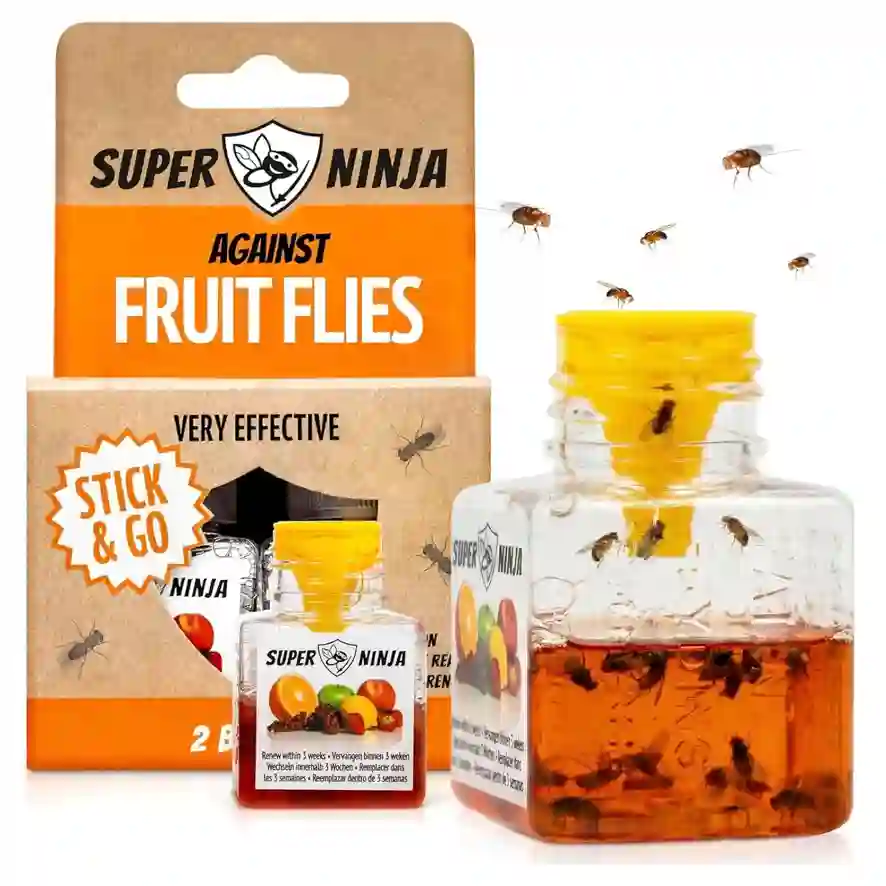
RECOMMENDED PRODUCTS TO ELIMINATE THE PEST

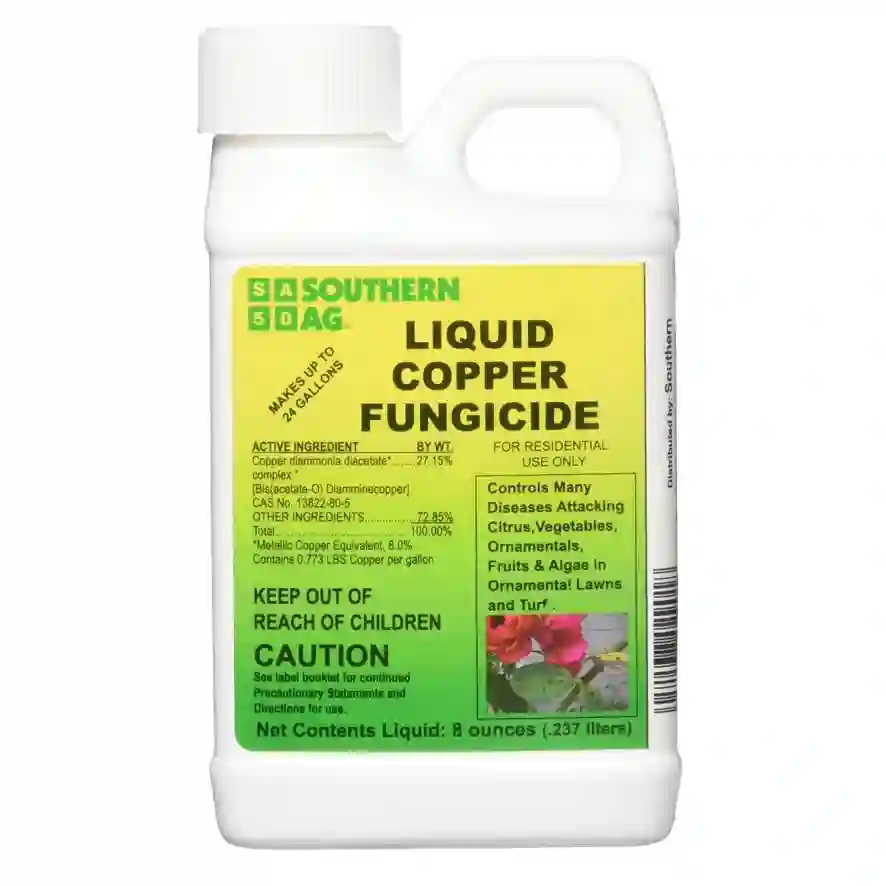


REPELLENT PLANTS

RECOMMENDATIONS
OTHER PESTS THAT MAY INTEREST YOU


DID YOU LIKE IT?
All this and much more, just a click away. TRY idMicrobe NOW!



Explore more tools
Services
Contact
Legal
©2023 by ZeriMar Laboratoire. All rights reserved.