


Pimiento
How to recognize and combat verticillium wilt in peppers
Verticillosis
Fungus
Type:
Risk to the plant:
HIGH
Verticillium Dahliae
Pathogen:

Verticilosis


WHO CAUSES IT?
Verticillium dahliae is a soil fungus that causes the disease known as verticillosis in pepper. This pathogen has a complex life cycle that begins with the formation of resistance structures, called chlamydospores, in the soil. When conditions are favorable, chlamydospores germinate and produce mycelial structures that infect the roots of pepper plants. Once inside the plant tissue, the fungus spreads through the xylem, causing blockages and dysfunction in the plant's vascular system. Verticillium dahliae can survive in the soil for several years in the form of chlamydospores, making it a persistent pathogen in pepper crops.

SYMPTOMS
Verticillosis caused by Verticillium dahliae in pepper causes a series of characteristic symptoms that negatively affect the growth and yield of the plant. - Progressive wilting of the leaves, starting in the lowest parts of the plant and moving upwards.
- Yellowing and necrosis of the edges of the leaves.
- Reduction in the size of leaves and foliage in general.
- Discoloration of the xylem, visible when cutting the stem of the plant.
- Decrease in the production and quality of the fruits.
- Sudden wilting of the plant under conditions of water or thermal stress.


DEVELOPMENT CONDITIONS
Temperature:
20°C - 28°C
Humidity:
70% - 80%

HOW IS IT SPREAD?
Contaminated soil, Infected seeds, Remains of infected crops

HOW TO ELIMINATE IT?
Home treatments
There are no home treatments
Natural allies
Chemical treatments
There are no treatments for this disease. Treatments are directed at the insect vectors that transmit it. See insect treatments.
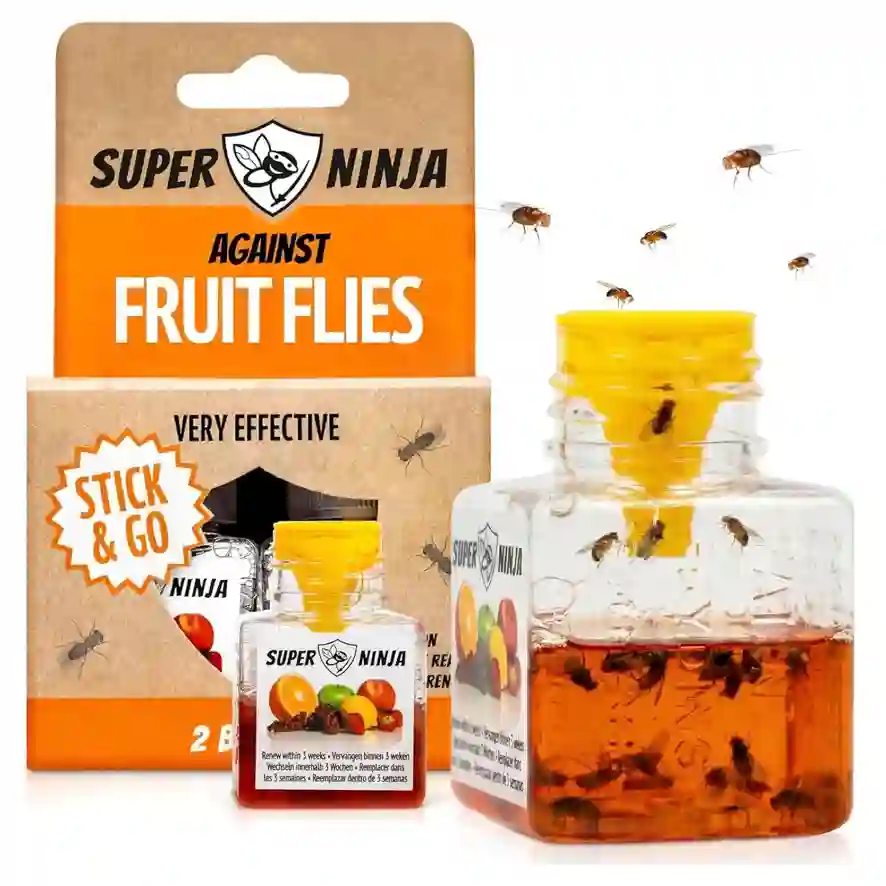
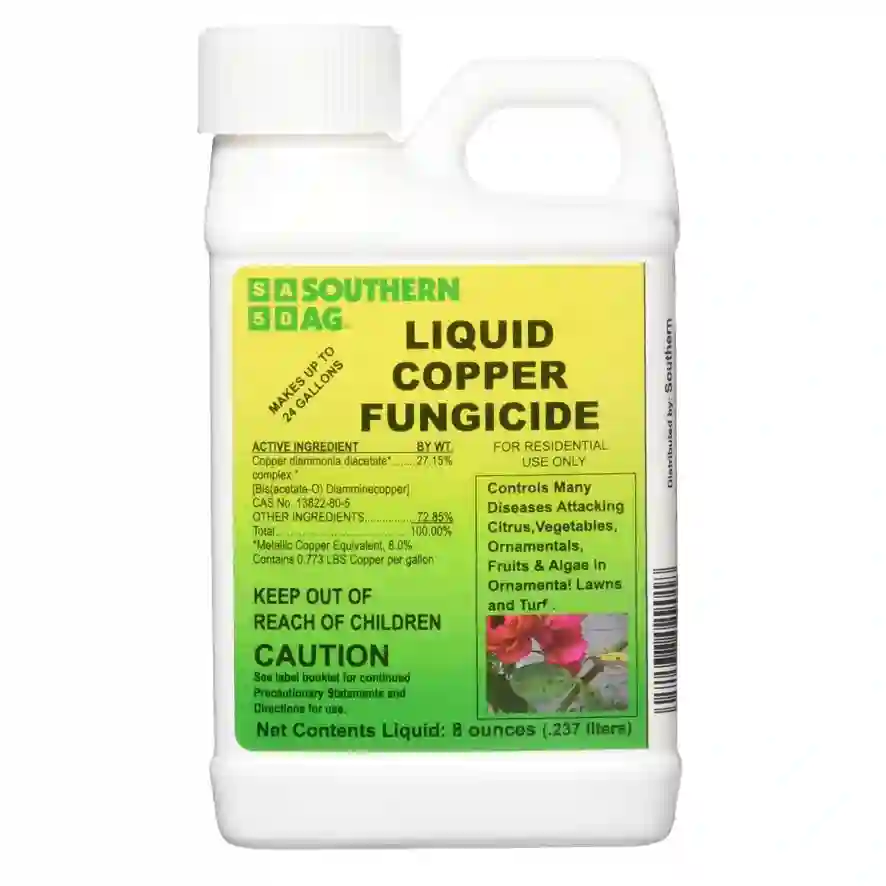
RECOMMENDED PRODUCTS TO ELIMINATE THE PEST



REPELLENT PLANTS

RECOMMENDATIONS
OTHER PESTS THAT MAY INTEREST YOU


DID YOU LIKE IT?
All this and much more, just a click away. TRY idMicrobe NOW!



Explore more tools
Services
Contact
Legal
©2023 by ZeriMar Laboratoire. All rights reserved.