


Arándano
How to recognize and combat leaf scorch in blueberries
Burning Or Leaf Scorching
Bacterium
Type:
Risk to the plant:
CRITICAL
Xylella Fastidiosa
Pathogen:
Virus


WHO CAUSES IT?
Xylella fastidiosa is a phytopathogenic bacteria that affects a wide range of plants, including blueberry. This bacteria multiplies in the xylem, the water and nutrient conducting vessels of plants. It is transmitted mainly by insect vectors, such as leafhoppers, which feed on xylem fluid. When these insects feed on an infected plant, they ingest the bacteria, which then multiplies in their mouthparts. By feeding again on a healthy plant, the insect vector introduces the bacteria into the xylem of the new plant, thus beginning the infection. Within the xylem, Xylella fastidiosa reproduces rapidly, forming biofilms that obstruct the flow of water and nutrients, causing symptoms of water stress and dieback of plant tissues. This obstruction and the consequent vascular damage are the main mechanisms of pathogenicity of Xylella fastidiosa.
.png)
SYMPTOMS
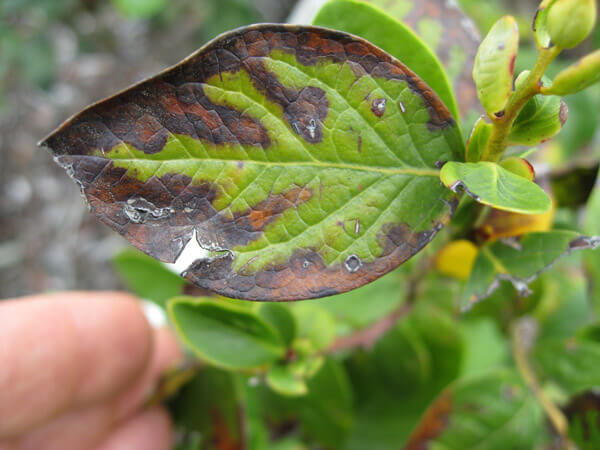
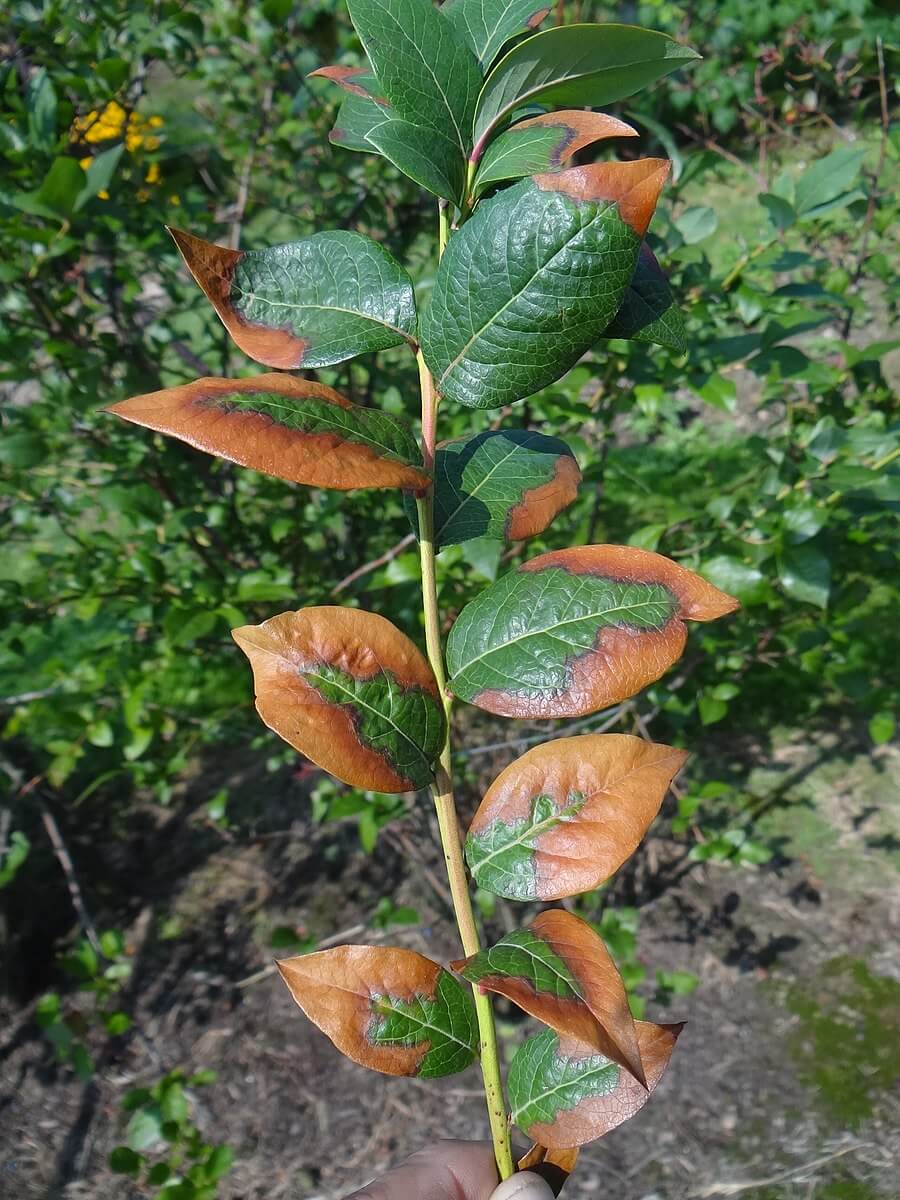
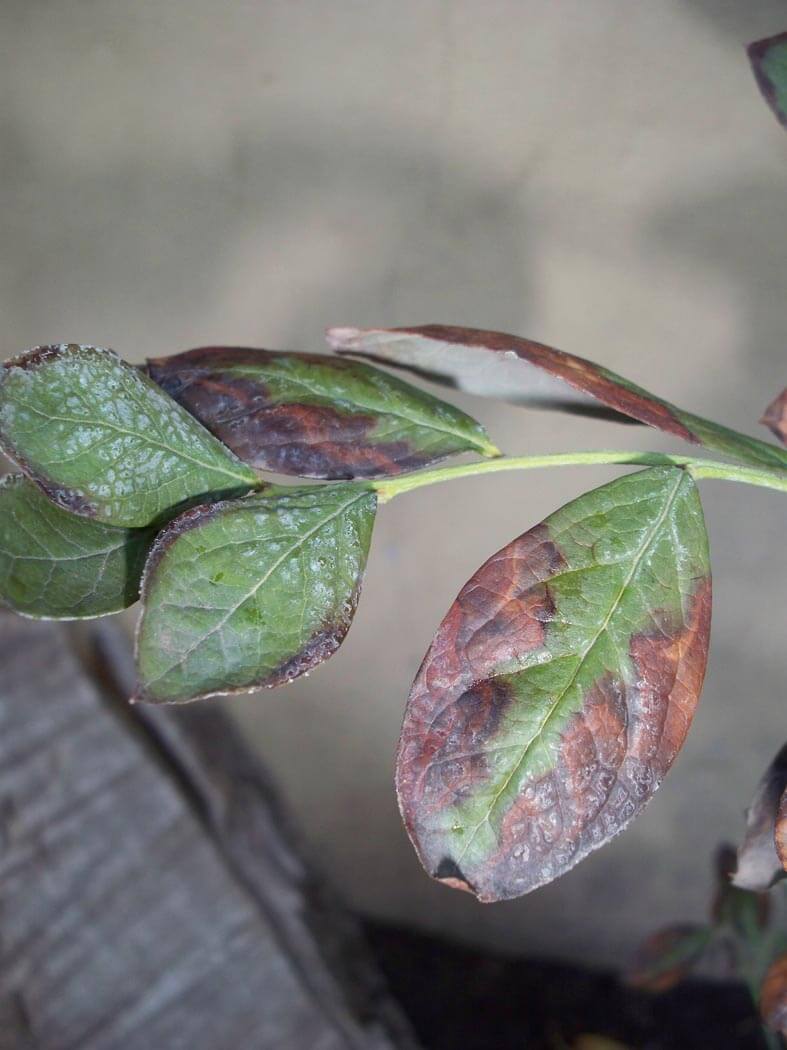
The disease known as scorch or leaf scorch in blueberry, caused by Xylella fastidiosa, is characterized by mainly affecting the vascular system of the plant, resulting in a series of symptoms that reflect a severe deficiency in the translocation of water and nutrients. These symptoms include:
- Wilting of leaves, especially on the edges.
- Chlorosis and leaf necrosis.
- Premature defoliation.
- Reduction in the growth of new shoots.
- Regressive death of branches.
- Fruits of smaller size and quality.
- General decay of the plant.


DEVELOPMENT CONDITIONS
Temperature:
25°C - 30°C
Humidity:
60% - 80%

HOW IS IT SPREAD?
Insect vectors, Contaminated tools, Infected plants, Contaminated propagation material

HOW TO ELIMINATE IT?
Home treatments
There are no home treatments
Natural allies
Chemical treatments
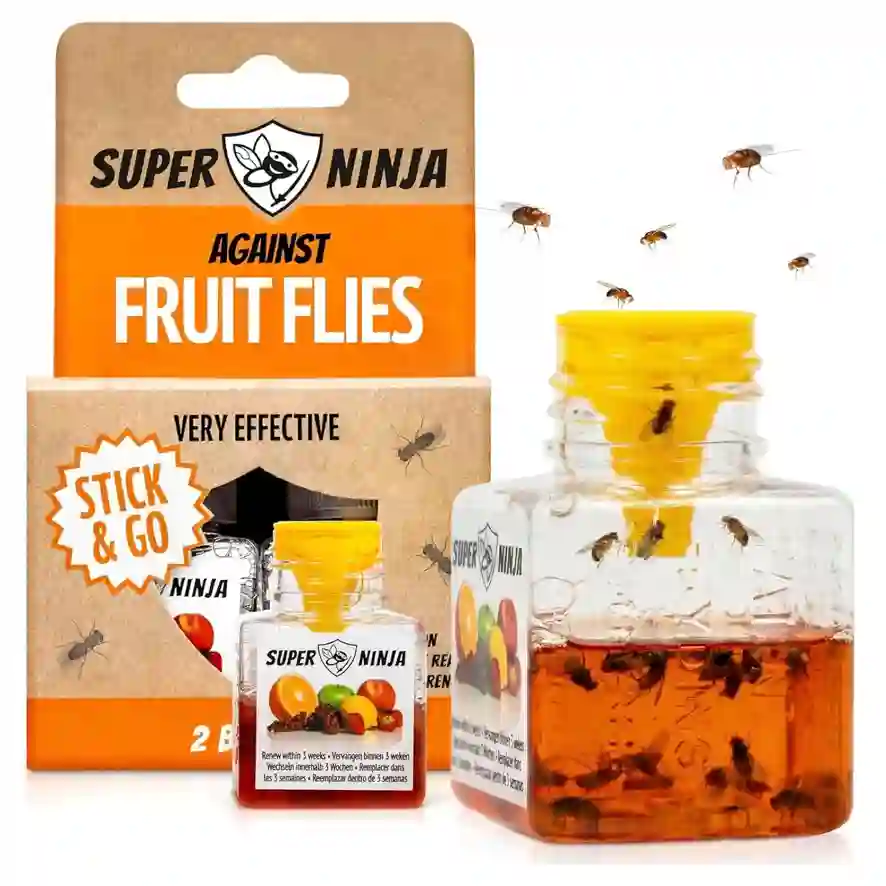
There are no treatments for this disease. Treatments are directed at the insect vectors that transmit it. See insect treatments.
RECOMMENDED PRODUCTS TO ELIMINATE THE PEST

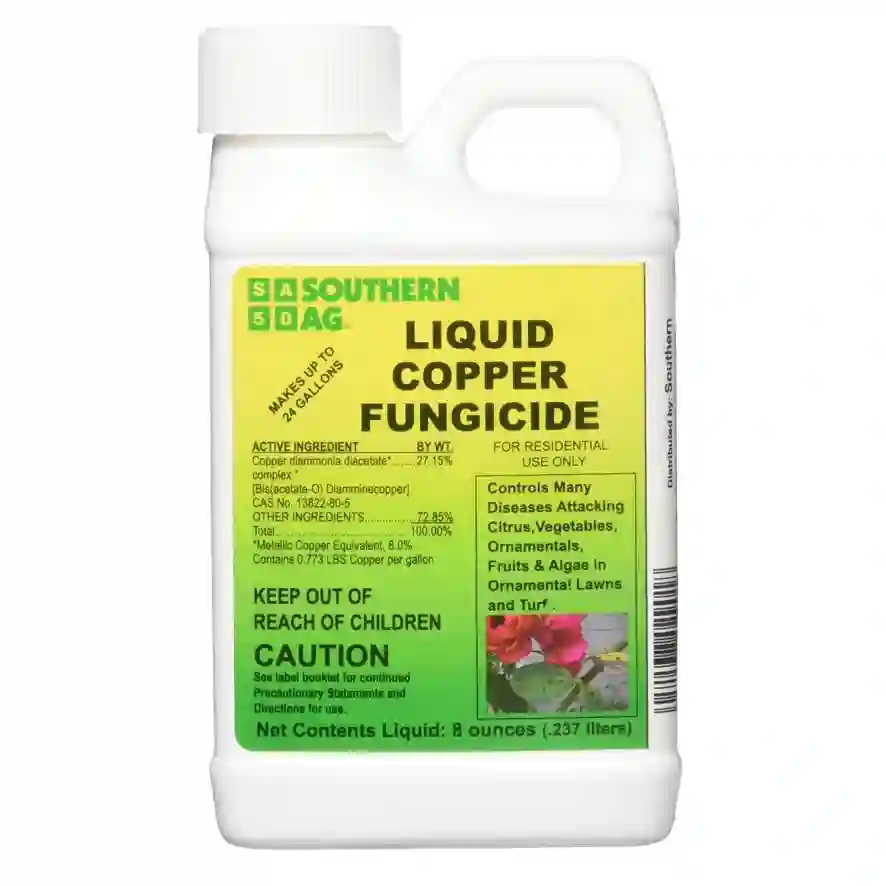


REPELLENT PLANTS

RECOMMENDATIONS
OTHER PESTS THAT MAY INTEREST YOU


DID YOU LIKE IT?
All this and much more, just a click away. TRY idMicrobe NOW!



Explore more tools
Services
Contact
Legal
©2023 by ZeriMar Laboratoire. All rights reserved.