


Pimiento
How to recognize and combat anthracnose in peppers
Anthracnose
Fungus
Type:
Risk to the plant:
HIGH
Colletotrichum Sp.
Pathogen:
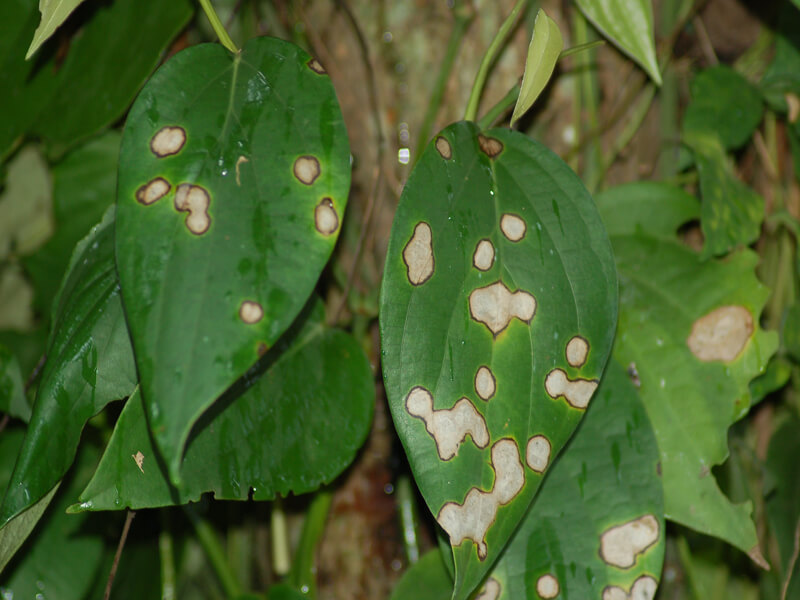
Antracnosis


WHO CAUSES IT?
Colletotrichum sp. It is a genus of phytopathogenic fungi responsible for the disease known as anthracnose. This pathogen is characterized by its ability to produce asexual spores called conidia, which are dispersed by wind, water and physical contact. Conidia germinate in the presence of free water and penetrate plant tissue through wounds or directly through the cuticle of leaves, stems and fruits. Once inside the host, the fungus forms specialized structures called appressoria, which facilitate tissue invasion and obtaining nutrients. Colletotrichum sp. It can survive in the remains of infected plants and in the soil for long periods, persisting as mycelium or sclerotia. Favorable environmental conditions, such as high humidity and warm temperatures, promote sporulation and dispersal of the fungus, facilitating new infections. During periods of inactivity, the pathogen remains dormant until conditions are again conducive to its development and spread.

SYMPTOMS
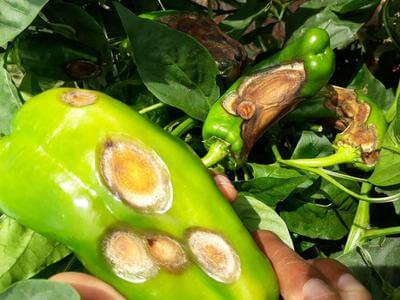
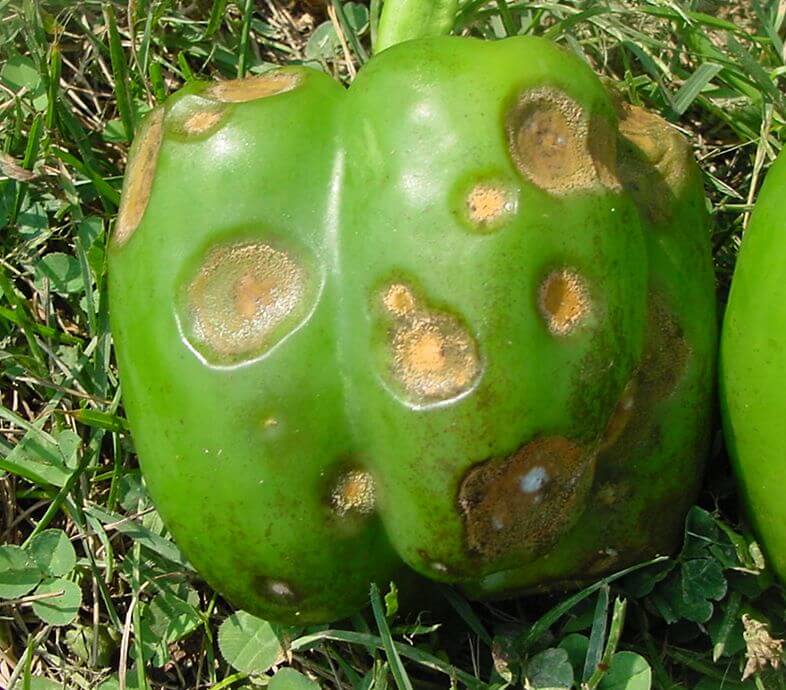
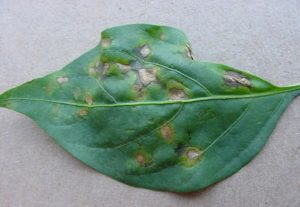
In pepper, anthracnose caused by Colletotrichum sp. It manifests itself with several visible symptoms on leaves, stems and fruits. The disease typically begins in the most tender tissues and progressively affects the entire plant, significantly reducing crop quality and yield. - Small, watery Taches on leaves, stems and fruits
- Circular lesions that expand and become dark in color
- Premature fall of affected leaves
- Sunken and black Taches on the fruits
- Rotten fruits with a dark, moldy appearance
- Necrosis and death of affected tissues
- Deformations in the fruits, reducing their commercial value


DEVELOPMENT CONDITIONS
Temperature:
25°C - 30°C
Humidity:
80% - 90%

HOW IS IT SPREAD?
Spores carried by wind, Irrigation water, Rain, Contaminated tools, Direct contact between plants, Remains of infected plants

HOW TO ELIMINATE IT?
Home treatments
There are no home treatments
Natural allies
Chemical treatments
There are no treatments for this disease. Treatments are directed at the insect vectors that transmit it. See insect treatments.
RECOMMENDED PRODUCTS TO ELIMINATE THE PEST





REPELLENT PLANTS

RECOMMENDATIONS
OTHER PESTS THAT MAY INTEREST YOU


DID YOU LIKE IT?
Now you can always have it on your mobile, without ads and totally FREE. TRY idMicrobe NOW!



Explore more tools
Services
Contact
Legal
©2023 por ZeriMar Laboratoire. Todos os direitos reservados.