


Cactáceas y suculentas
How to recognize and combat gray rot in cacti and succulents
Gray Rot
Fungus
Type:
Risk to the plant:
HIGH
Botrytis Cinerea
Pathogen:
Podredumbre gris


WHO CAUSES IT?
Botrytis cinerea is a phytopathogenic fungus that affects a wide variety of plants, including cacti and succulents. This fungus develops mainly in conditions of high humidity and moderate temperatures. It begins with the production of conidial spores, which are dispersed through the air and deposited on the surfaces of host plants. Under favorable conditions, spores germinate and produce hyphae that penetrate plant tissue through wounds or natural openings. Once inside, the fungus spreads and produces mycelium, destroying the host's cells and causing visible symptoms of the disease. Botrytis cinerea can also produce sclerotia, resistance structures that allow its survival in adverse conditions and its subsequent reactivation when conditions improve.

SYMPTOMS
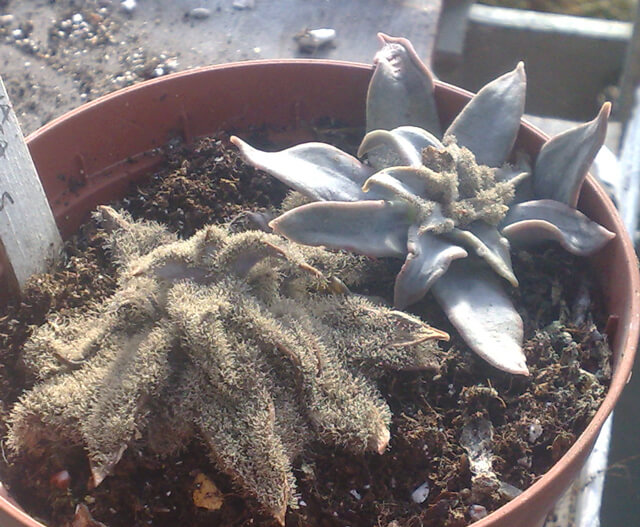
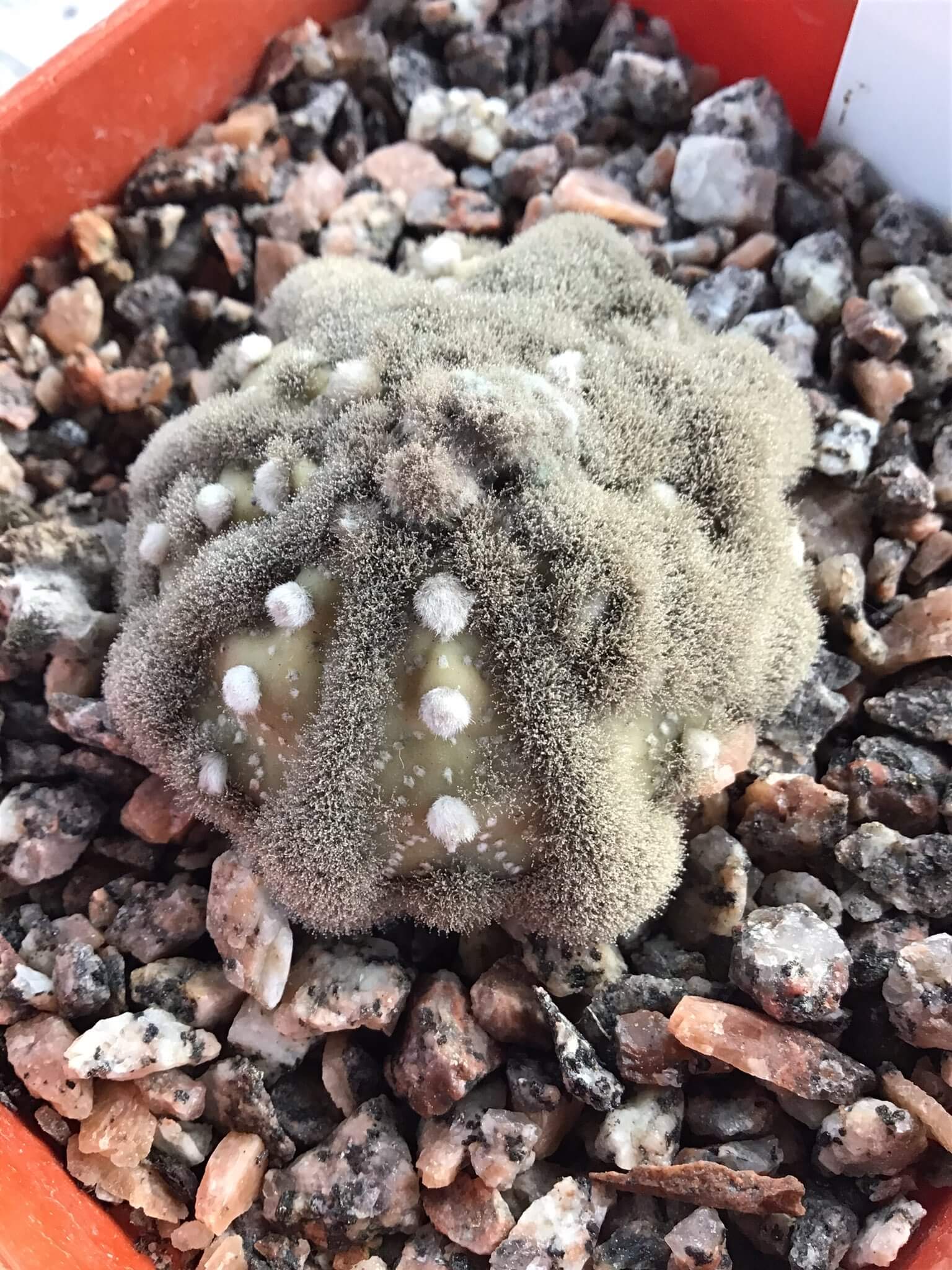
In cacti and succulents, Botrytis cinerea causes the disease known as gray rot, which is characterized by the appearance of watery lesions in the affected tissues. These lesions usually expand rapidly, becoming dark brown or black necrotic areas.
- Watery lesions on leaves and stems.
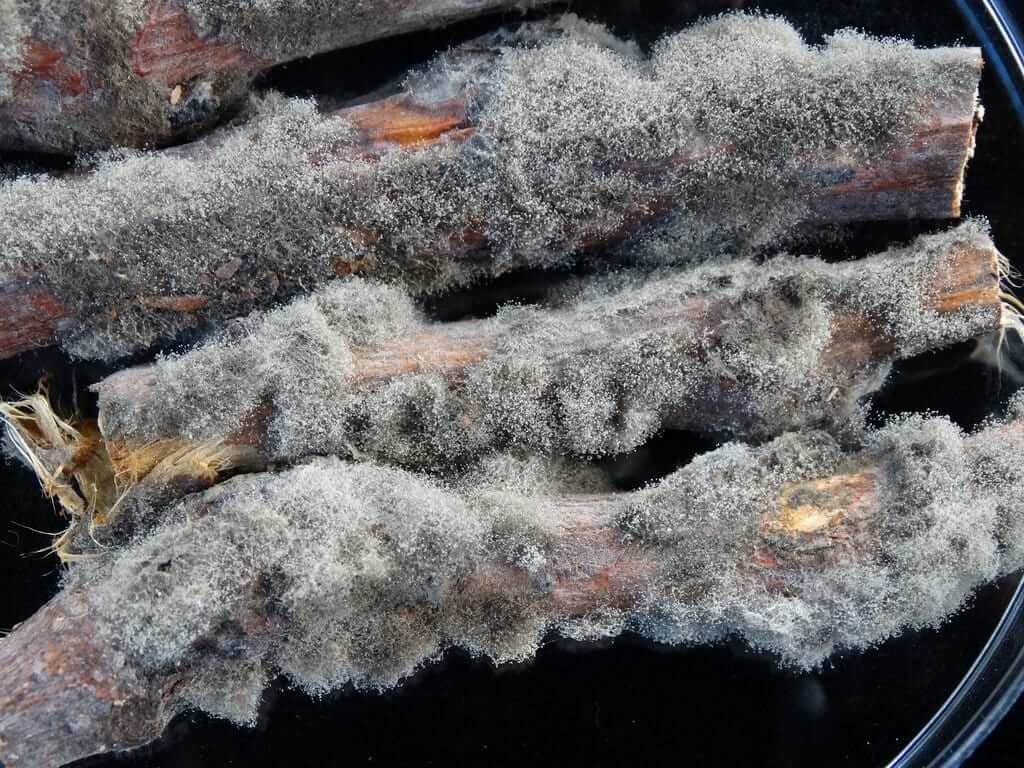
- Development of a grayish mold on infected areas.
- Discoloration and necrosis of the affected tissues.
- Loss of firmness in the affected parts of the plant.
- Withering of leaves and stems.
- Loss of vigor and delay in growth.
- Premature fall of leaves and flowers.
- Development of sclerotia in dead tissues.


DEVELOPMENT CONDITIONS
Temperature:
15°C - 25°C
Humidity:
85% - 100%

HOW IS IT SPREAD?
Wind, water, contaminated tools, direct contact with infected plants, spores carried by insects, dispersal through soil

HOW TO ELIMINATE IT?
Home treatments
There are no home treatments
Natural allies
Chemical treatments
There are no treatments for this disease. Treatments are directed at the insect vectors that transmit it. See insect treatments.
RECOMMENDED PRODUCTS TO ELIMINATE THE PEST





REPELLENT PLANTS

RECOMMENDATIONS
OTHER PESTS THAT MAY INTEREST YOU


DID YOU LIKE IT?
Now you can always have it on your mobile, without ads and totally FREE. TRY idMicrobe NOW!



Explore more tools
Services
Contact
Legal
©2023 por ZeriMar Laboratoire. Todos os direitos reservados.