

Frutos
How to recognize and combat stink bugs in fruit
Bed bugs
Insect
Type:
Risk to the plant:
HIGH
Different species
Pathogen:
Chinches


WHO CAUSES IT?
True bugs are insects belonging primarily to the order Hemiptera and comprise numerous species that can damage various types of crops. Among the species that affect fruit are phytophagous bugs from different families, such as Pentatomidae, Coreidae, and Miridae. Adults have piercing-sucking mouthparts, adapted to penetrate plant tissues and extract sap. Females typically lay their eggs on leaves, shoots, stems, or, in certain species, directly on structures near the fruit. Nymphs hatch from the eggs and go through several stages before reaching adulthood. Nymphs usually look different from adults, initially lacking fully developed wings, but they can already feed actively and cause damage. As the nymphal stages progress, they increase in size and gradually develop the characteristics of adults. Depending on the species and environmental conditions, several generations can occur during a single season, especially in areas with high temperatures and a continuous food supply. Adults can move between different plants and plots, while some species may also take refuge in spontaneous vegetation, plant debris, or sheltered locations during unfavorable periods. Dispersal by flight is one of the main causes of new infestations. Populations can increase rapidly when temperatures are favorable, vegetation is abundant, and susceptible fruit is continuously present. Both nymphs and adults can feed on fruit, although the severity of the damage and preferences for certain developmental stages depend on the species. Feeding by piercing causes small lesions, and in addition to direct damage, some species can inject salivary substances that alter plant tissues and cause deformities or necrosis around the feeding site.
.png)
SYMPTOMS
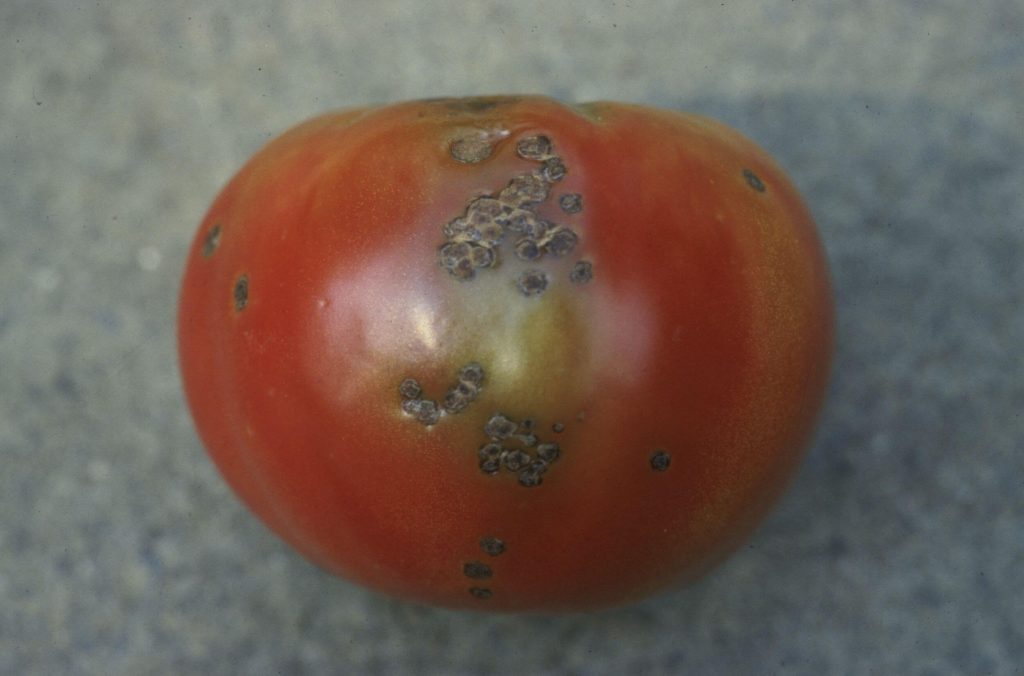
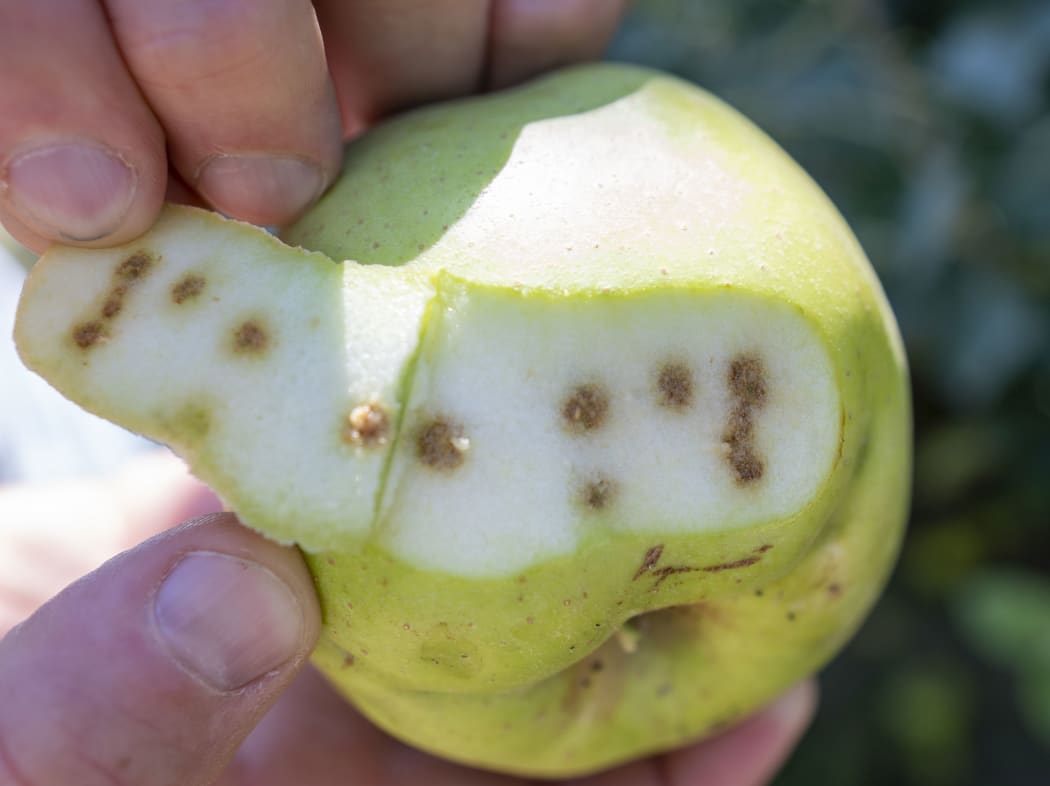
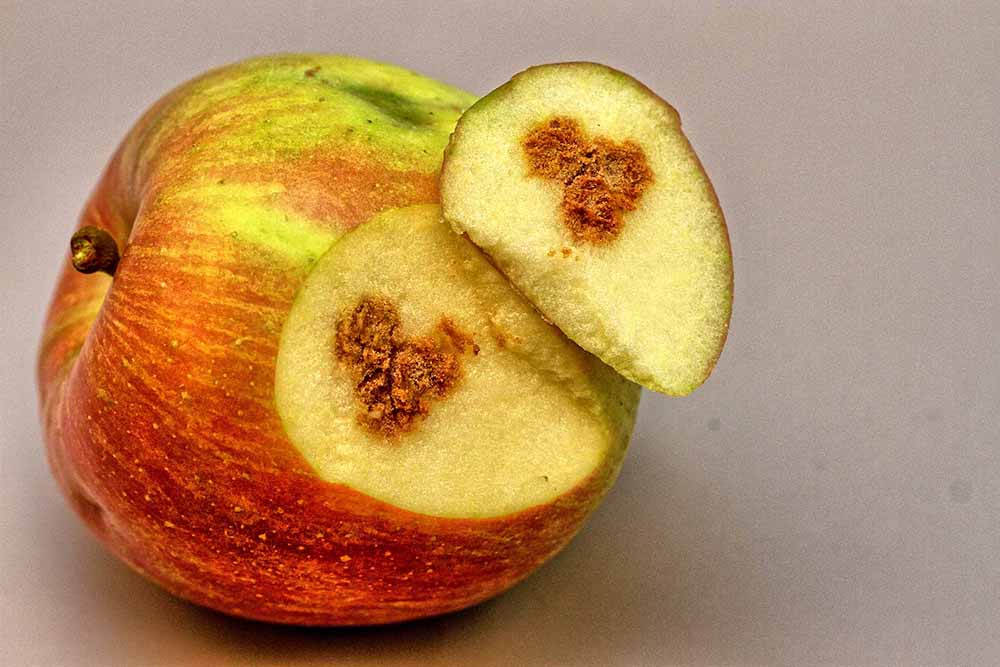
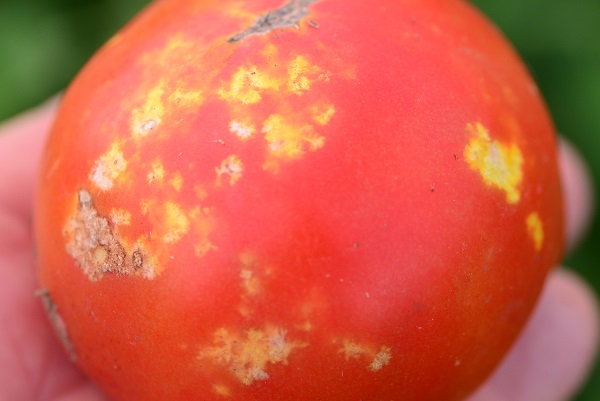
Stink bugs can cause significant damage to fruit by inserting their mouthparts into the tissues to feed. Feeding typically occurs during different stages of development and can be especially damaging when the fruit is young, as feeding can interfere with normal growth. The lesion may remain visible during ripening and affect both the external appearance and internal quality. Depending on the stink bug species and the crop affected, sunken areas, discolored spots, necrosis, deformations, or pulp alterations may appear around the feeding sites. In some fruits, feeding can lead to uneven ripening or the formation of hardened and discolored tissue. Significant commercial losses can also occur even if the affected area is relatively small, especially in fruit intended for fresh consumption. Lesions caused during the early stages of development can leave permanent scars as the fruit increases in size.
• Appearance of small feeding punctures on the surface of the fruit.
• Formation of yellowish, brownish, reddish, or necrotic spots around feeding sites.
• Presence of small depressions or sunken areas in the epidermis.
• Fruit deformation when feeding occurs during the early stages of development.
• Appearance of scars or permanent alterations on the surface during ripening.
• Hardening or alteration of the tissues located beneath the feeding sites.
• Discoloration of the pulp around the affected areas.
• Uneven ripening of the damaged tissues.
• Appearance of deformed fruit or fruit with reduced commercial quality.
• Localized necrosis in the tissues when the damage is severe.
• Presence of several feeding sites irregularly distributed across the fruit.
• Premature fruit drop in cases of severe infestation.
• Reduction in the commercial value of the fruit due to external damage.
• Entry of secondary microorganisms through wounds caused by punctures.


DEVELOPMENT CONDITIONS
Temperature:
20-30 °C
Humidity:
60-90 %

HOW IS IT SPREAD?
Adult flight, Movement between plants, Spontaneous vegetation, Infested plant material, Plant debris, Accidental transport of insects

HOW TO ELIMINATE IT?
Home treatments
There are no home treatments
Natural allies
Chemical treatments
There are no treatments for this disease. Treatments are directed at the insect vectors that transmit it. See insect treatments.
RECOMMENDED PRODUCTS TO ELIMINATE THE PEST
Sponsored link

Sponsored link
Sponsored link


Sponsored link
Sponsored link
Effective against all types of fungi

Sponsored link


Sponsored link
Sponsored link

Sponsored link


Sponsored link
Sponsored link
Sponsored link


Sponsored link

REPELLENT PLANTS

RECOMMENDATIONS
OTHER PESTS THAT MAY INTEREST YOU


DID YOU LIKE IT?
Now you can always have it on your mobile, without ads and totally FREE. TRY idMicrobe NOW!


