

Frutos
How to recognize and combat fungi on fruit
Mycosis
Fungus
Type:
Risk to the plant:
HIGH
Different species
Pathogen:
Hongos


WHO CAUSES IT?
Fruit fungal diseases are caused by various species of phytopathogenic fungi capable of colonizing plant tissues, especially when wounds, weakened tissues, or favorable environmental conditions are present. These microorganisms can survive among crops in infected plant debris, mummified fruit, soil, bark, plant structures, and other sources of organic matter. Depending on the species, they can produce sexual or asexual spores that are easily dispersed by wind, water, insects, tools, and contact between fruits. Infection usually begins when spores reach the surface of a fruit and find sufficient moisture and a suitable temperature to germinate. The germ tube can penetrate directly into the tissues or take advantage of small lesions caused by bruising, insects, hail, pruning, or abrasions. Once established, the fungus develops a mycelium that grows between cells or on the affected tissues and uses their nutrients to multiply. Some fungi rapidly produce new reproductive structures on the infected areas, generating large quantities of spores that can initiate new infections. Others remain dormant during part of fruit development and become active later, especially during ripening or after harvest. Infections can recur several times during the same growing season, so an initial source of inoculum can lead to rapid spread when high humidity, favorable temperatures, and the presence of susceptible tissues coincide. Survival and dispersal capacity varies considerably among species, but overall, fruit fungi have a high capacity to establish themselves and spread when environmental conditions and the crop's health are favorable.
.png)
SYMPTOMS
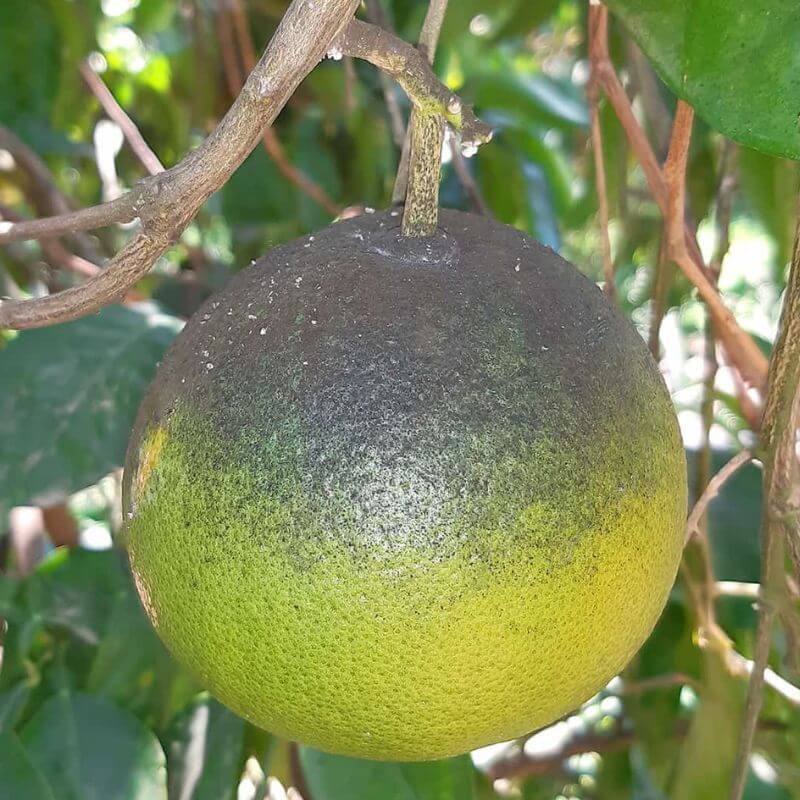
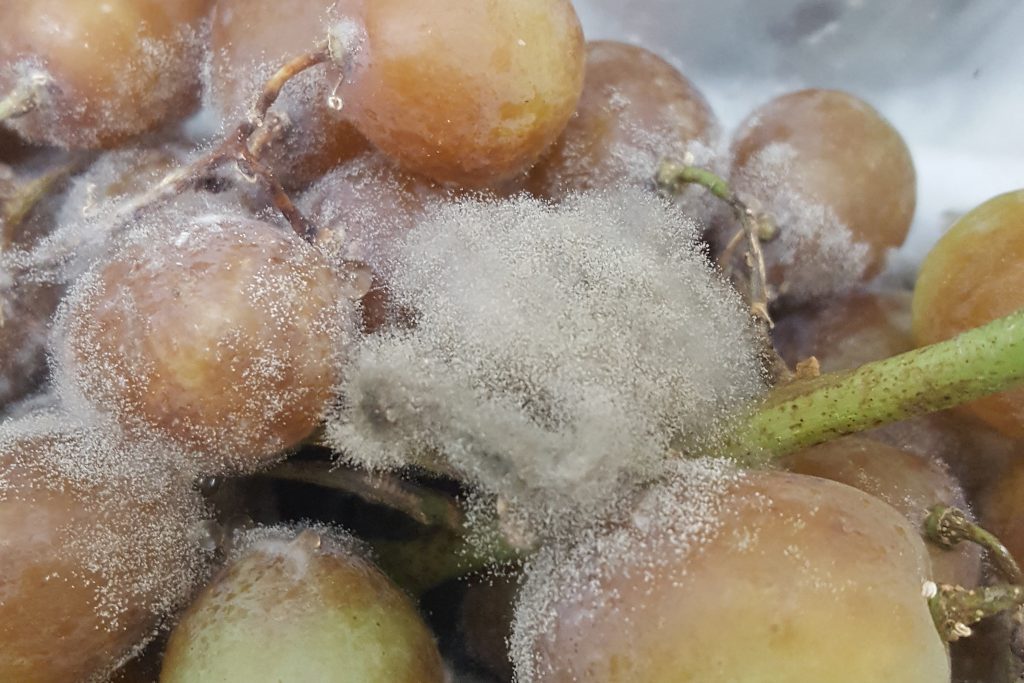
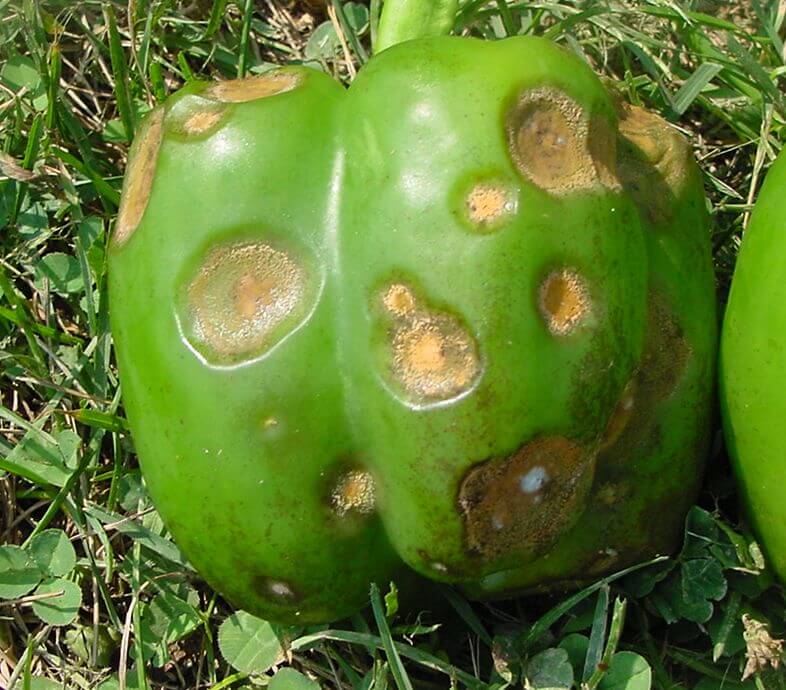
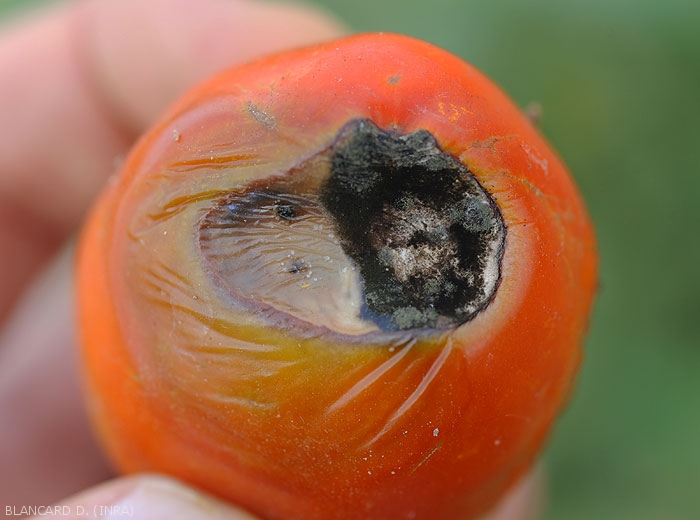
Fungal infections can cause various processes of rot and deterioration in fruit, both during its development on the plant and during harvesting, transport, and storage. The first symptoms usually appear as small lesions, spots, or slightly depressed areas that subsequently increase in size and acquire brown, black, yellowish, or reddish tones depending on the fungus involved. As the infection progresses, the tissues lose firmness, degrade, and may become covered by masses of mycelium or reproductive structures of the fungus. Under favorable conditions, a single lesion can quickly become extensive rot and facilitate the contamination of nearby fruit.
• Appearance of small spots or lesions on the surface of the fruit.
• Sunken, soft, or loss of firmness in the fruit.
• Browning, blackening, or abnormal color changes.
• Progressive rotting of the pulp and internal tissues.
• Development of mycelium or spore masses on the affected areas. • Appearance of mummified or completely dehydrated fruit.
• Foul odors associated with advanced tissue degradation.
• Spread of rot from an affected fruit to other nearby fruit.
• Loss of commercial quality and reduction of fruit shelf life.


DEVELOPMENT CONDITIONS
Temperature:
18-28 °C
Humidity:
75-95 %

HOW IS IT SPREAD?
Wind, Rain, Irrigation water, Contact between fruits, Insects, Contaminated tools, Infected plant debris, Handling

HOW TO ELIMINATE IT?
Home treatments
There are no home treatments
Natural allies
Chemical treatments
There are no treatments for this disease. Treatments are directed at the insect vectors that transmit it. See insect treatments.
RECOMMENDED PRODUCTS TO ELIMINATE THE PEST
Sponsored link

Sponsored link
Sponsored link


Sponsored link
Sponsored link
Effective against all types of fungi

Sponsored link


Sponsored link
Sponsored link

Sponsored link


Sponsored link
Sponsored link
Sponsored link


Sponsored link

REPELLENT PLANTS

RECOMMENDATIONS
OTHER PESTS THAT MAY INTEREST YOU


DID YOU LIKE IT?
Now you can always have it on your mobile, without ads and totally FREE. TRY idMicrobe NOW!


