


Quinoa
How to recognize and combat frogeye in quinoa
Rooster Eye
Fungus
Type:
Risk to the plant:
HIGH
Cercospora Spp.
Pathogen:
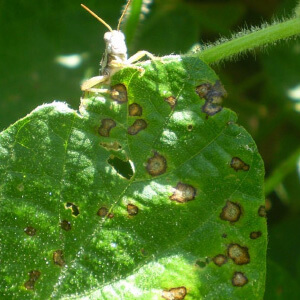
Cercosporosis


WHO CAUSES IT?
Cercospora spp. is a group of phytopathogenic fungi responsible for various foliar diseases in a wide range of plants, including quinoa. These fungi are characterized by producing elongated, multicellular spores known as conidia, which are spread through wind and rain. Initial infection occurs when conidia land on the surface of leaves and germinate under high humidity conditions. The hyphae of the fungus penetrate the leaf epidermis, colonizing the intercellular tissues. As the fungus develops, it forms reproductive structures called conidiophores, which emerge through stomata or wounds in the leaves, producing more conidia that can be released to infect new plants. This process can be repeated several times during the growing season, especially in warm, humid climates, facilitating rapid spread of the fungus and persistence in crops. Under adverse conditions, fungi can survive on infected plant remains or in the soil, re-emerging when conditions become favorable again.

SYMPTOMS
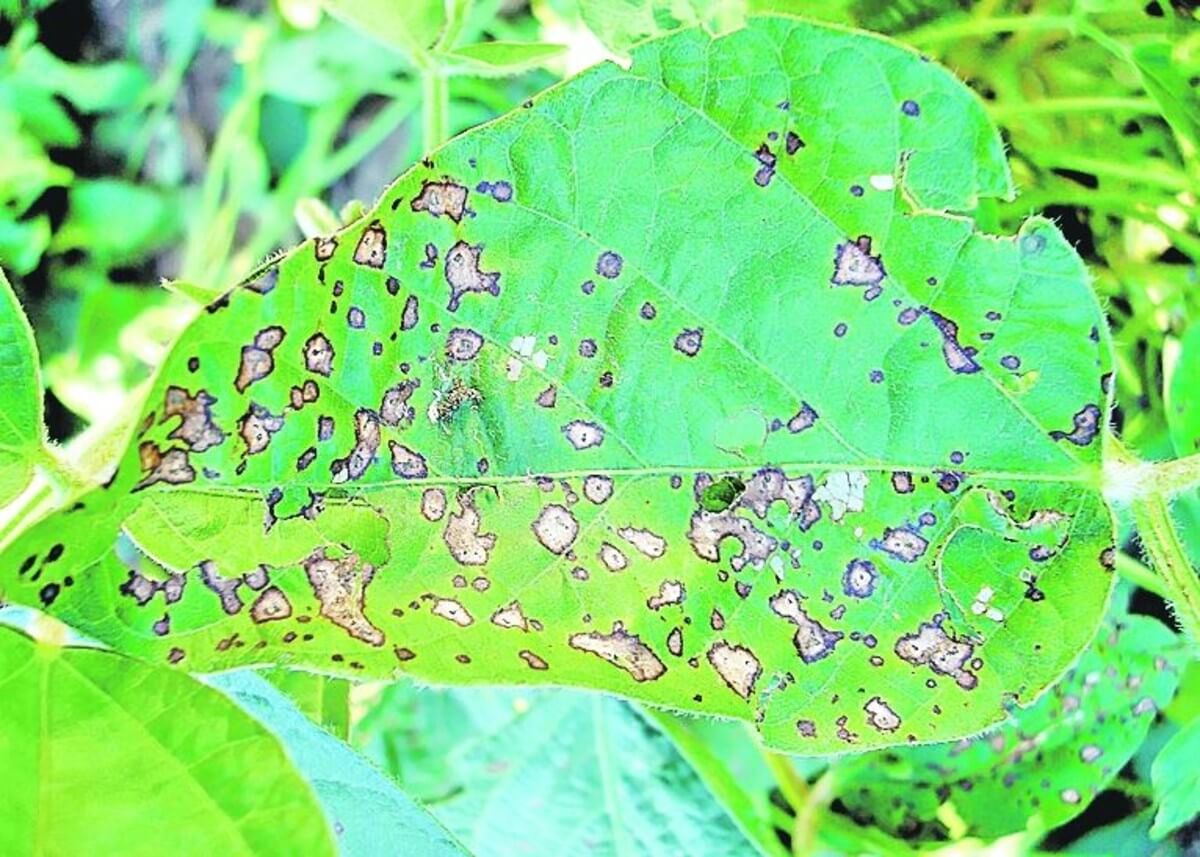
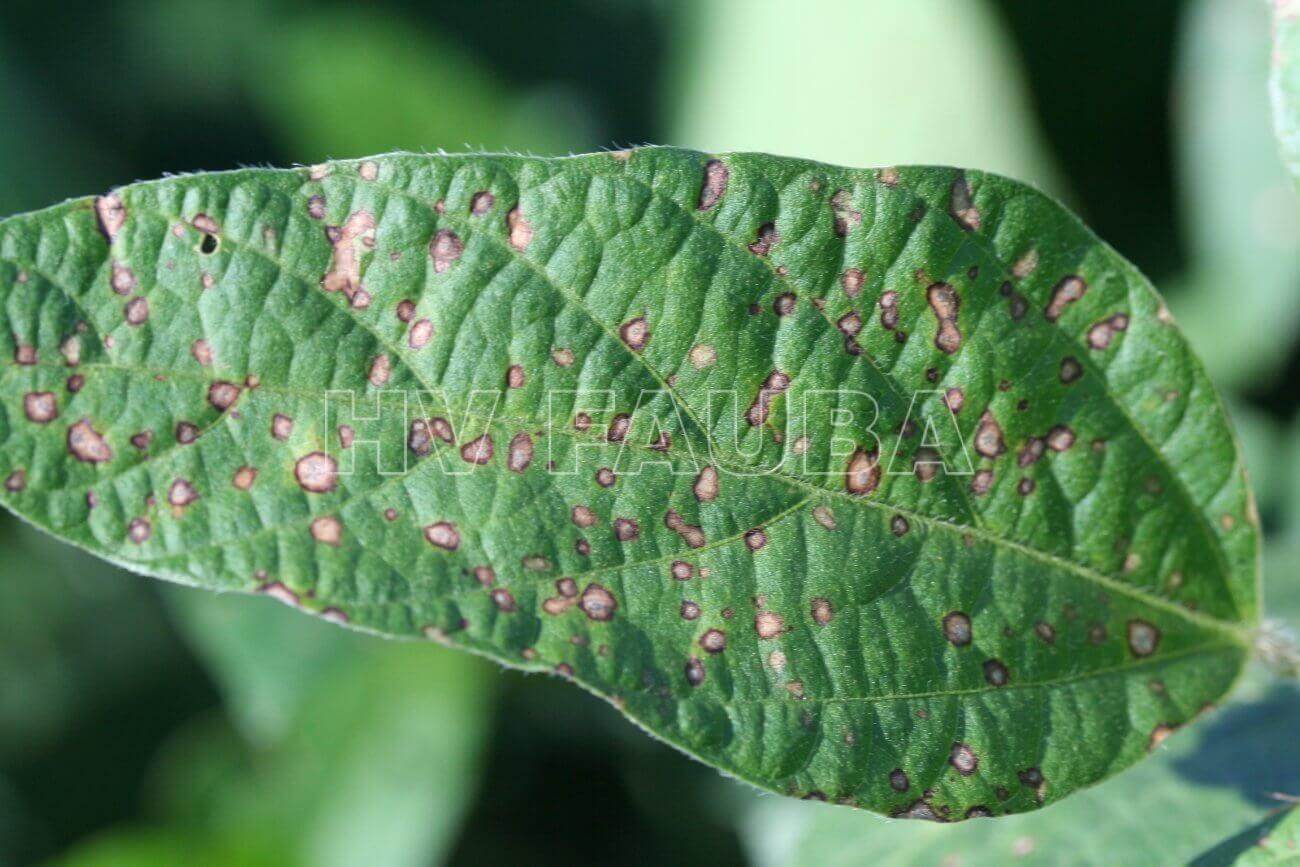
The disease known as Rooster's Eye, caused by Cercospora spp., significantly affects quinoa, manifesting mainly in the leaves, stems and, occasionally, in the seeds. The first symptoms appear as small chlorotic Taches that quickly expand and develop a necrotic center surrounded by a yellow halo, resembling a rooster's eye. Over time, these Taches can coalesce, causing premature defoliation and reducing the plant's photosynthetic capacity.
- Small chlorotic Taches on the leaves.
- Taches with a necrotic center and yellow halo.
- Coalescence of Taches, forming large areas of necrosis.
- Premature defoliation.
- Reduction of photosynthetic capacity.
- General weakening of the plant.
- Taches on the stems.
- Reduction in the quality and quantity of seeds.


DEVELOPMENT CONDITIONS
Temperature:
20-30°C
Humidity:
70-90%

HOW IS IT SPREAD?
Wind, Rain, Contaminated tools, Remains of infected plants, Contaminated seeds, Direct contact between plants

HOW TO ELIMINATE IT?
Home treatments
There are no home treatments
Natural allies
Chemical treatments
There are no treatments for this disease. Treatments are directed at the insect vectors that transmit it. See insect treatments.
RECOMMENDED PRODUCTS TO ELIMINATE THE PEST





REPELLENT PLANTS

RECOMMENDATIONS
OTHER PESTS THAT MAY INTEREST YOU


DID YOU LIKE IT?
Now you can always have it on your mobile, without ads and totally FREE. TRY idMicrobe NOW!



Explore more tools
Services
Contact
Legal
©2023 por ZeriMar Laboratoire. Todos os direitos reservados.