


Cebolla
How to recognize and combat center rot in onions
Center Rot
Bacterium
Type:
Risk to the plant:
HIGH
Pantoea Ananatis (Erwinia Ananatis), Pantoea Agglomerans (E. Herbicola)
Pathogen:
Bacteriosis


WHO CAUSES IT?
Pantoea ananatis and Pantoea agglomerans are phytopathogenic bacteria that affect various crops, including onion, causing a disease known as basal rot. These bacteria can survive in plant residues and soil, spreading through contaminated water, aerosols and mechanical vectors. They can colonize and damage plants at different stages of their development. Bacteria can enter the plant through wounds or natural openings, such as stomata.

SYMPTOMS
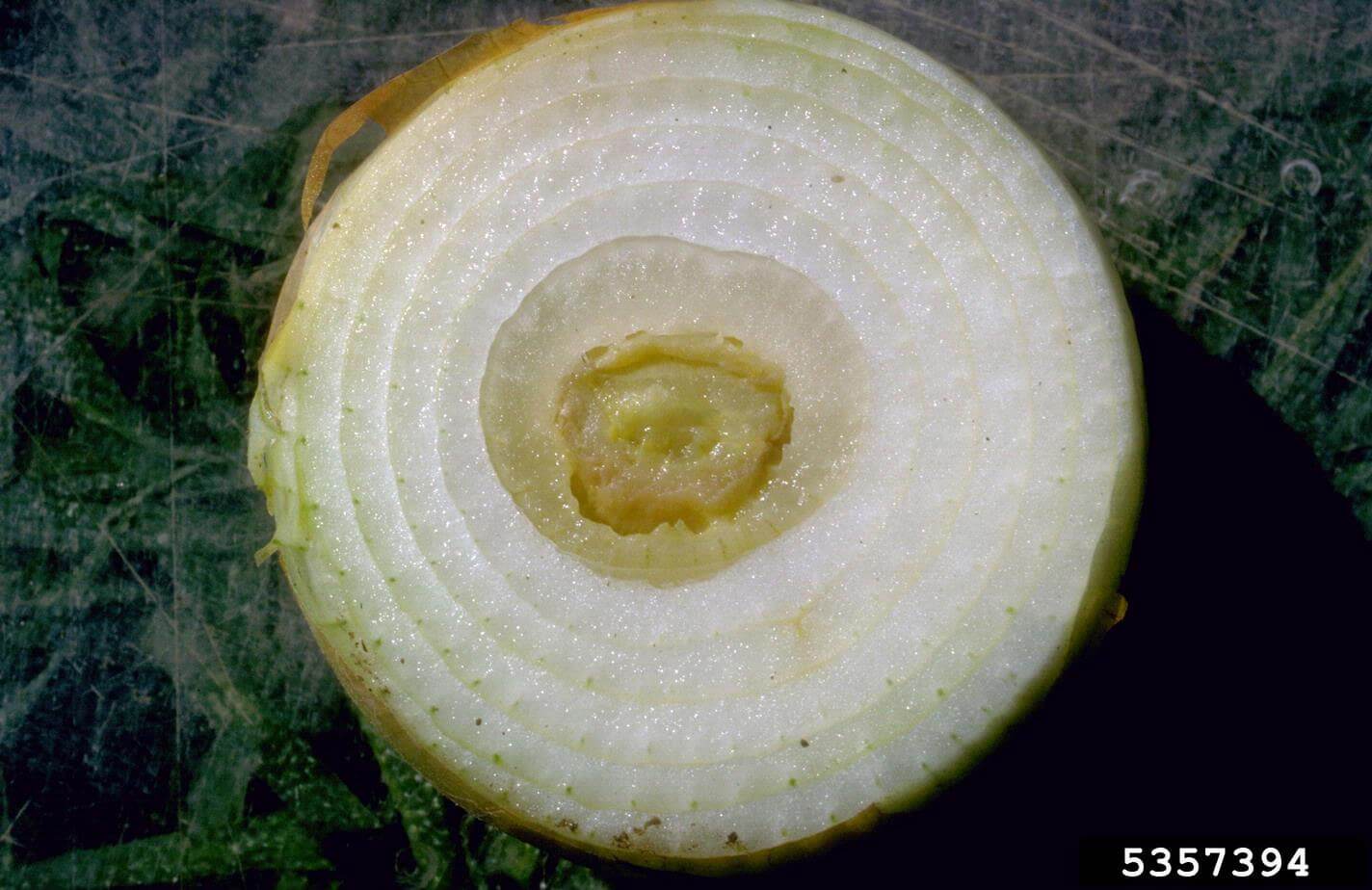
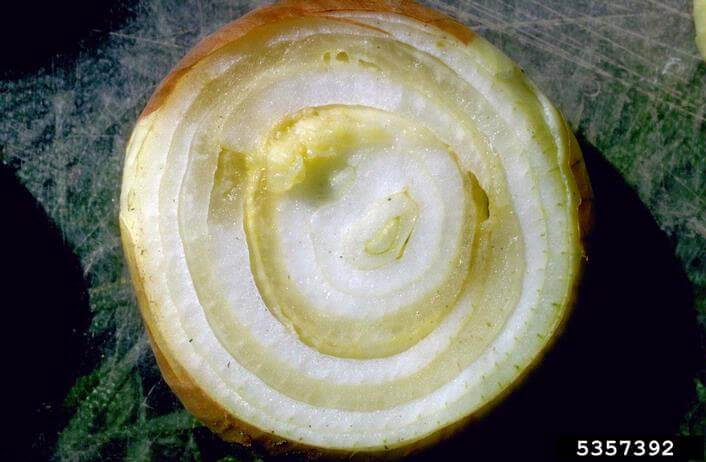
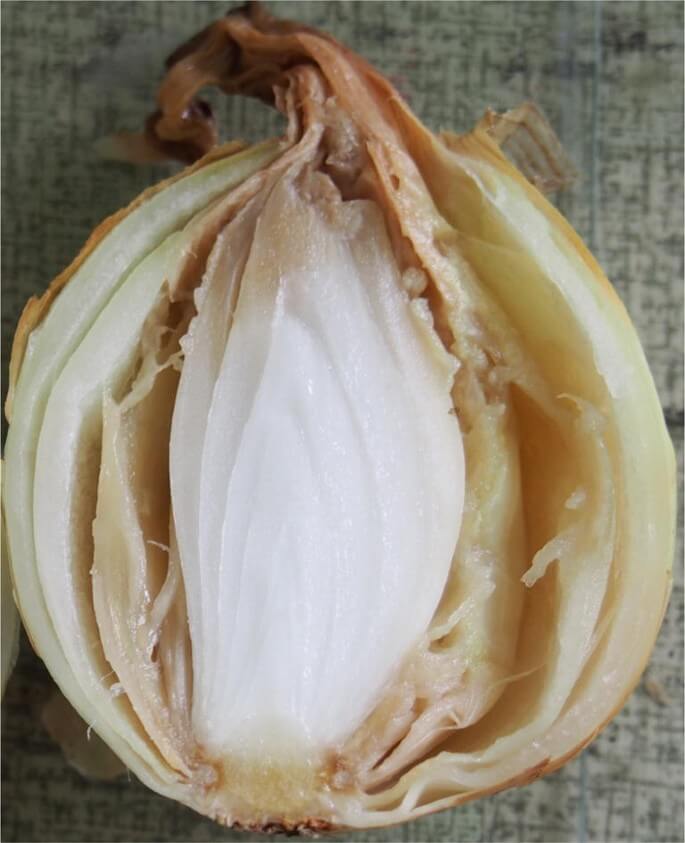
Basal rot in onions caused by Pantoea ananatis and Pantoea agglomerans manifests itself with symptoms such as decay and softening of the base of the plants. The bulbs can become soft and emit an unpleasant odor, which can lead to plant death and significant crop losses.
• Decomposition and softening of the base of the plant.
• Unpleasant odor due to decomposition.
• Soft and poor quality bulbs.
• Death of the plant in serious cases.


DEVELOPMENT CONDITIONS
Temperature:
18 ºC - 30ºC
Humidity:
75% - 100%

HOW IS IT SPREAD?
Water, infected plant remains, contaminated tools, aerosols.

HOW TO ELIMINATE IT?
Home treatments
There are no home treatments
Natural allies
Chemical treatments
There are no treatments for this disease. Treatments are directed at the insect vectors that transmit it. See insect treatments.
RECOMMENDED PRODUCTS TO ELIMINATE THE PEST





REPELLENT PLANTS

RECOMMENDATIONS
OTHER PESTS THAT MAY INTEREST YOU


DID YOU LIKE IT?
Now you can always have it on your mobile, without ads and totally FREE. TRY idMicrobe NOW!



Explore more tools
Services
Contact
Legal
©2023 por ZeriMar Laboratoire. Todos os direitos reservados.