


Espinacas y similares
How to recognize and combat green armyworms in spinach and similar crops
Gardama, Green Donut, Or Armyworm
Insect
Type:
Risk to the plant:
CRITICAL
Spodoptera Exigua
Pathogen:
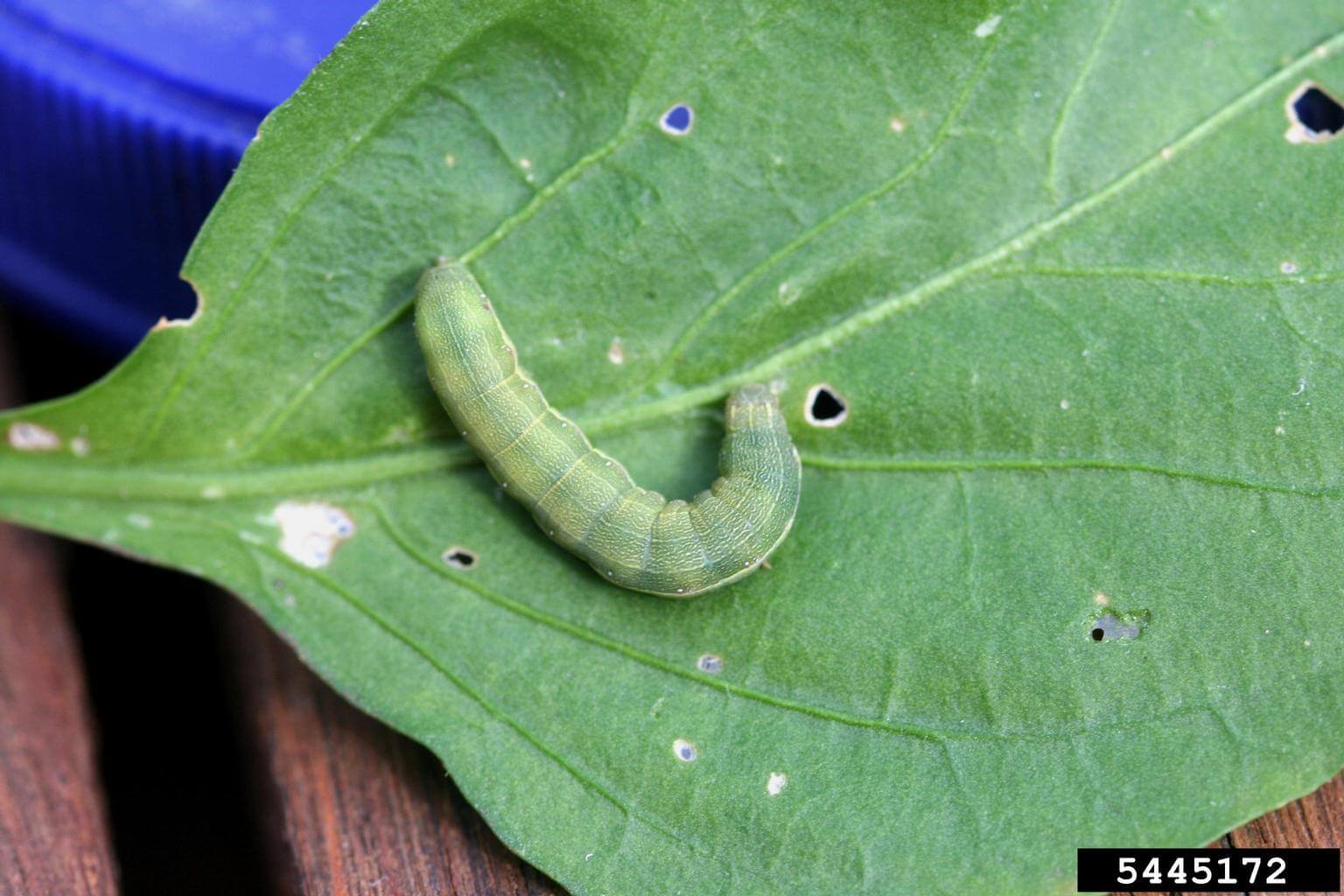
Orugas o gusanos


WHO CAUSES IT?
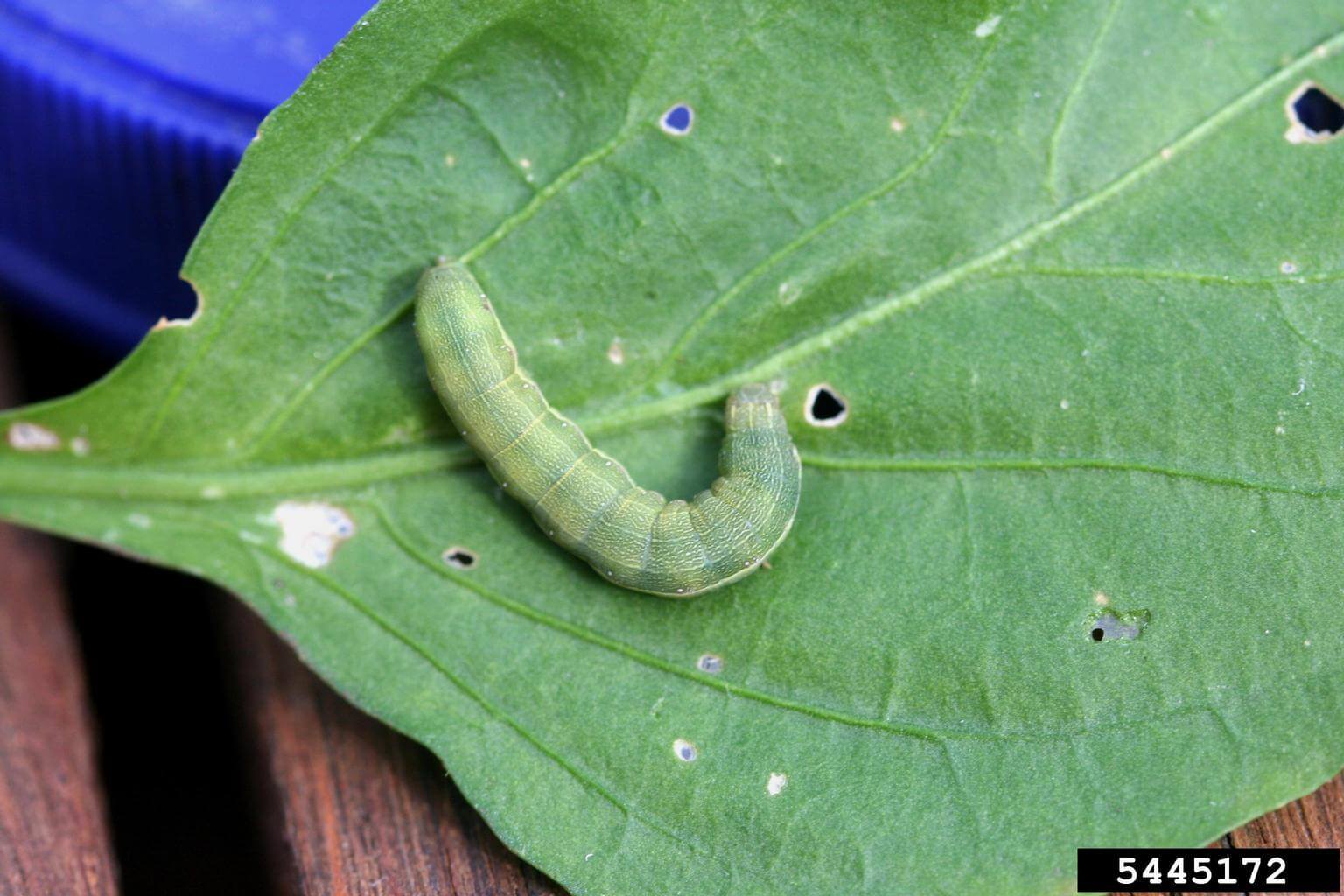
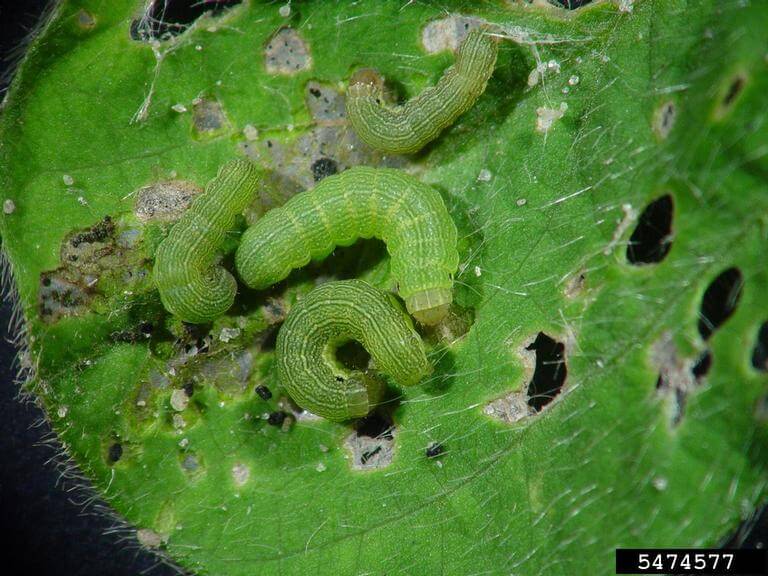
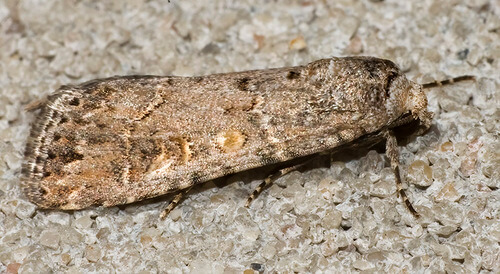
Spodoptera exigua, also known as the armyworm or green donut, is a moth whose larvae are devastating to various crops. The biological cycle of this insect begins with the adult female laying eggs on the underside of the leaves of the host plants. The eggs hatch in a few days, releasing larvae that go through five stages of growth. In their early stages, the larvae are light green and tend to feed on the softer tissue of the plant. As they mature, they become more voracious, feeding on entire leaves and leaving large holes. After completing their larval development, they pupate in the soil or among plant remains, later emerging as adults who mate and repeat the cycle. The complete cycle can last between three and six weeks, depending on environmental conditions, allowing several generations to overlap in the same growing season.

SYMPTOMS
In spinach and similar crops, damage caused by Spodoptera exigua manifests itself mainly through severe defoliation, which reduces the plant's ability to photosynthesize and therefore severely affects its growth and production. Larvae in their later stages can quickly devour large sections of leaves, weakening plants and even killing them in extreme cases. Affected plants often have a shabby appearance, with irregular holes in the leaves, which decreases their commercial value.
- Irregular holes in the leaves
- Severe defoliation in advanced infestations
- General weakening of the plant
- Decrease in photosynthetic capacity
- Wilted or dead plants in severe infestations


DEVELOPMENT CONDITIONS
Temperature:
25°C - 32°C
Humidity:
60% - 80%

HOW IS IT SPREAD?
Wind, migration of adults, infestation by nearby plants, contaminated planting materials, infected soil, agricultural machinery

HOW TO ELIMINATE IT?
Home treatments
There are no home treatments
Natural allies
Chemical treatments
There are no treatments for this disease. Treatments are directed at the insect vectors that transmit it. See insect treatments.
RECOMMENDED PRODUCTS TO ELIMINATE THE PEST





REPELLENT PLANTS

RECOMMENDATIONS
OTHER PESTS THAT MAY INTEREST YOU


DID YOU LIKE IT?
Now you can always have it on your mobile, without ads and totally FREE. TRY idMicrobe NOW!



Explore more tools
Services
Contact
Legal
©2023 por ZeriMar Laboratoire. Todos os direitos reservados.