

Frutos
How to recognize and eliminate thrips on fruit
Trips
Insect
Type:
Risk to the plant:
HIGH
Different species
Pathogen:
Trips


WHO CAUSES IT?
Thrips are small insects belonging primarily to the order Thysanoptera, including species from the genera Frankliniella, Thrips, and Scirtothrips. Adults have an elongated, narrow body and narrow, fringed wings, while immature forms are wingless and smaller. Females lay eggs individually on plant tissues, partially inserting them into the epidermis with their ovipositor. After hatching, the larvae emerge and go through two active stages, feeding by scraping surface tissues and sucking out cell contents. They then enter transitional stages with very reduced feeding activity, usually in protected areas of the plant, the substrate, or plant debris. Finally, the adults emerge, colonizing new parts of the plant and moving rapidly between fruits and crops. Their high reproductive capacity, small size, and ability to develop several generations during the favorable period allow populations to increase rapidly, especially when temperatures are warm and vegetation is abundant.
.png)
SYMPTOMS
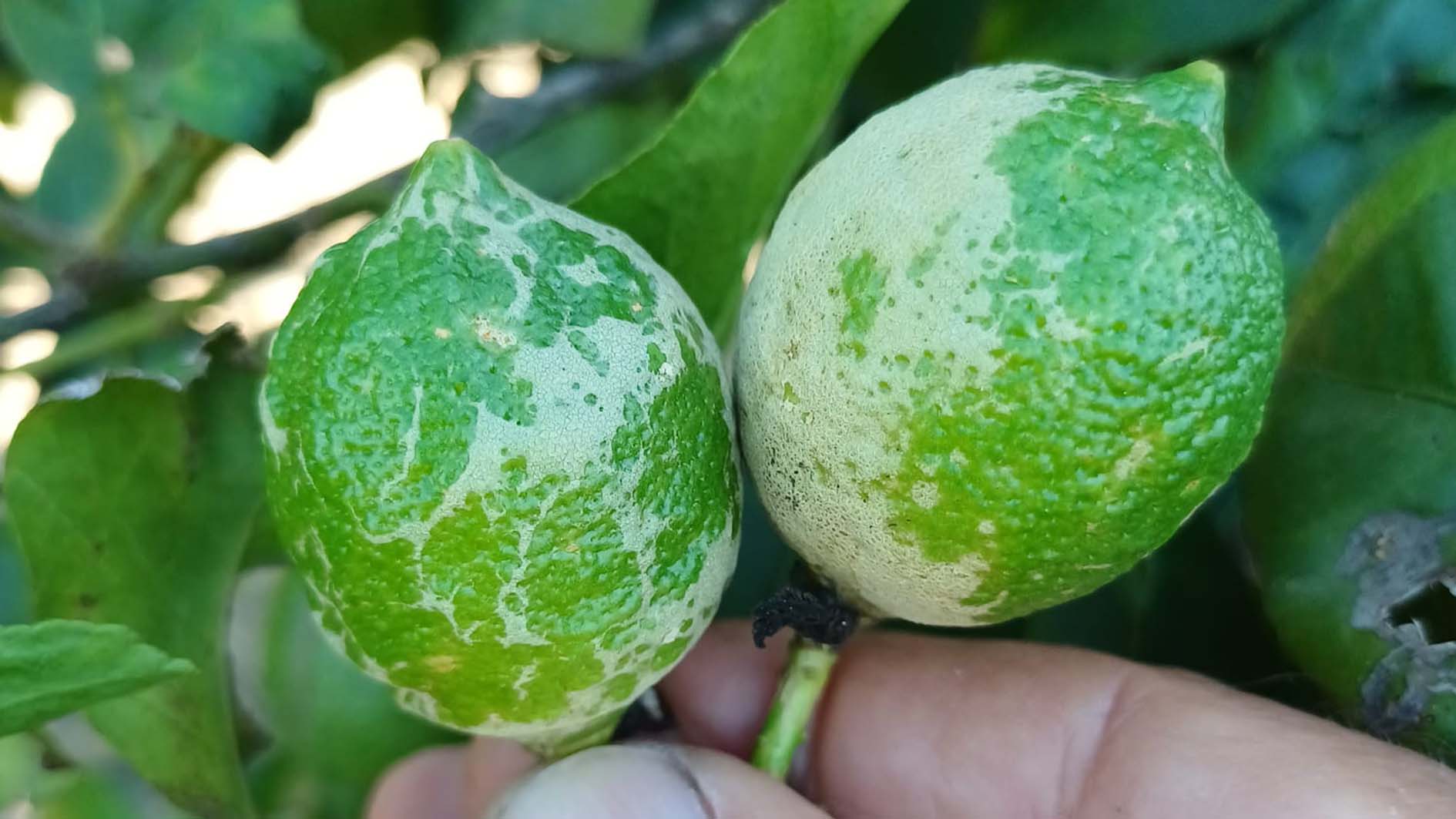
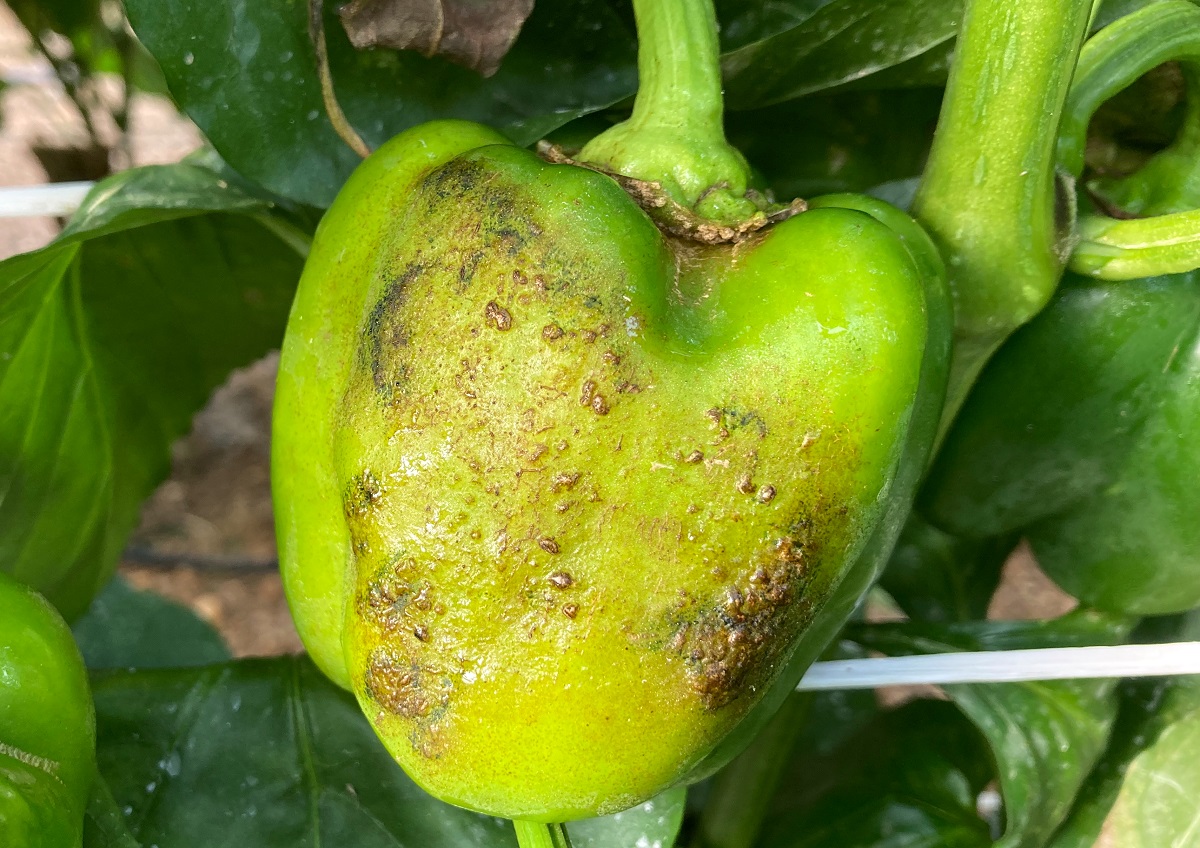
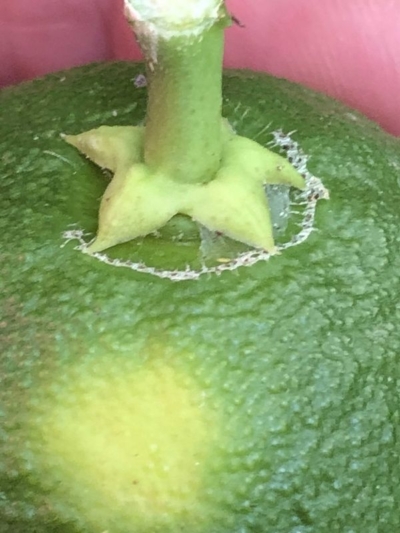
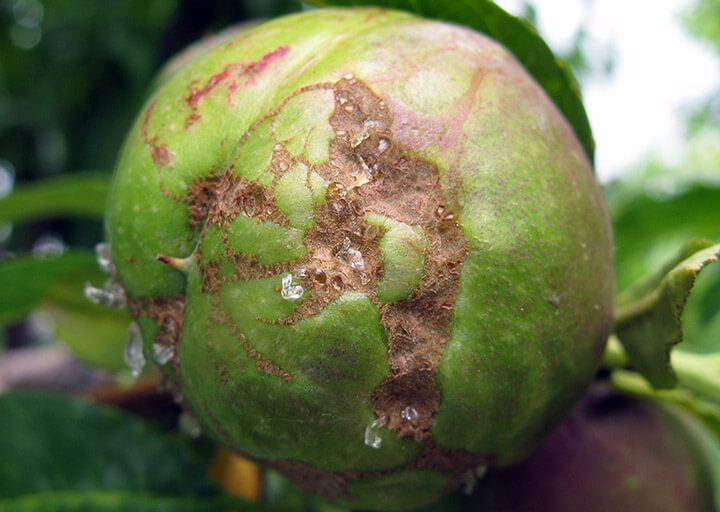
In fruit, thrips cause damage primarily through the feeding of larvae and adults on surface tissues. By scraping the epidermis and extracting cell contents, they cause lesions that can directly affect the fruit's commercial quality. Damage can occur during the early stages of development and subsequently remain as permanent scars as the fruit grows. The feeding punctures can also facilitate the entry of opportunistic microorganisms, and in certain thrips species, indirect damage can also occur through the transmission of plant viruses.
• Silvering, bronzing, or discoloration of the epidermis
• Grayish or whitish spots and discolored areas
• Superficial scars and corky lesions
• Deformities and alterations in fruit growth
• Punctures and small lesions caused by feeding
• Russeting or the formation of rough areas on the surface
• Cracks or deterioration of the epidermis in severe infestations
• Presence of larvae or adults on the fruit
• Small black spots corresponding to excrement
• Reduction in the aesthetic and commercial quality of the fruit
• Premature fruit drop in severe infestations


DEVELOPMENT CONDITIONS
Temperature:
20–30 °C
Humidity:
60–90 %

HOW IS IT SPREAD?
Adult flight, dispersal between plants, movement between flowers and fruits, transport of infested plant material, transport of infested fruits, infested weeds, infested plant debris, contaminated tools and equipment

HOW TO ELIMINATE IT?
Home treatments
There are no home treatments
Natural allies
Chemical treatments
There are no treatments for this disease. Treatments are directed at the insect vectors that transmit it. See insect treatments.
RECOMMENDED PRODUCTS TO ELIMINATE THE PEST
Sponsored link

Sponsored link
Sponsored link


Sponsored link
Sponsored link
Effective against all types of fungi

Sponsored link


Sponsored link
Sponsored link

Sponsored link


Sponsored link
Sponsored link
Sponsored link


Sponsored link

REPELLENT PLANTS

RECOMMENDATIONS
OTHER PESTS THAT MAY INTEREST YOU


DID YOU LIKE IT?
Now you can always have it on your mobile, without ads and totally FREE. TRY idMicrobe NOW!


